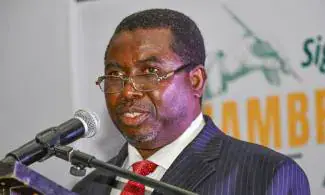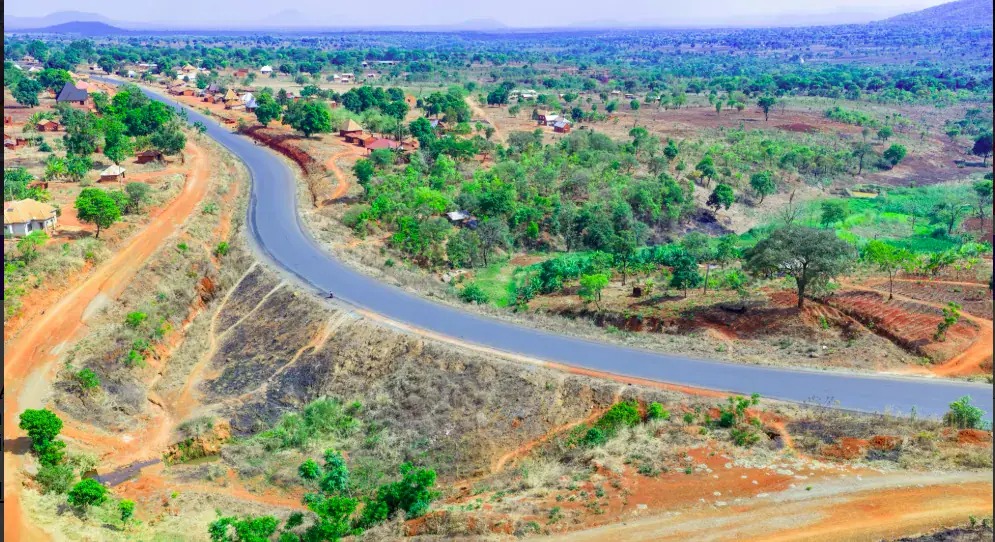
Vice President Deogratius Ndejembi has expressed concern over the slow pace of construction of the 35-kilometre Amani Makoro–Ruanda Road in Mbinga District, Ruvuma Region. The project, valued at 60.5 billion Tanzanian shillings, has fallen behind schedule by two years and 10 months. During an inspection, Ndejembi found that only 10.5 km of the planned 35km had been completed. The original contract provided for an implementation period of 18 months.
Ndejembi directed the Ministry of Works to prepare an action plan and a comprehensive strategy to ensure the project's completion. He also called for the underlying causes of the delays to be identified and addressed. If the delays were caused by the contractor, Ndejembi instructed that appropriate action should be taken in accordance with public procurement laws and regulations. The government will investigate and take necessary steps to get the project back on track.
The Vice President addressed residents of Amani Makoro during his visit, assuring them that the Sixth Phase Government would closely monitor the project's implementation. He emphasized that the completion of the road would drive socio-economic development in Mbinga District and the Ruvuma Region. The road is expected to facilitate production activities, trade, and transportation, improving the lives of residents.
Ndejembi stressed that the government is committed to addressing challenges facing citizens by ensuring development projects are implemented efficiently. He noted that public funds must be used for their intended purposes. The government's focus on efficient project implementation aims to build trust and deliver benefits to the people.
The 35-kilometre Amani Makoro–Ruanda Road project aims to improve infrastructure in the region. The project's slow progress has raised concerns about its potential impact on the local economy. Residents and businesses are eagerly awaiting the road's completion, which is expected to boost economic activity.
According to the Daily News, the project has been lagging behind schedule, with only a fraction of the work completed. The government's intervention aims to get the project back on track and ensure its timely completion. The Vice President's visit and directives demonstrate the government's commitment to monitoring and supporting development projects.
The project's completion will have a positive impact on the region, and the government's efforts to address the delays are crucial. The Vice President's inspection and directives have provided a renewed sense of hope for the project's successful completion. The government will continue to work to ensure that the project is finished and delivers the intended benefits to the people.
Key points
- The project's slow progress has raised concerns about its potential impact on the local economy.