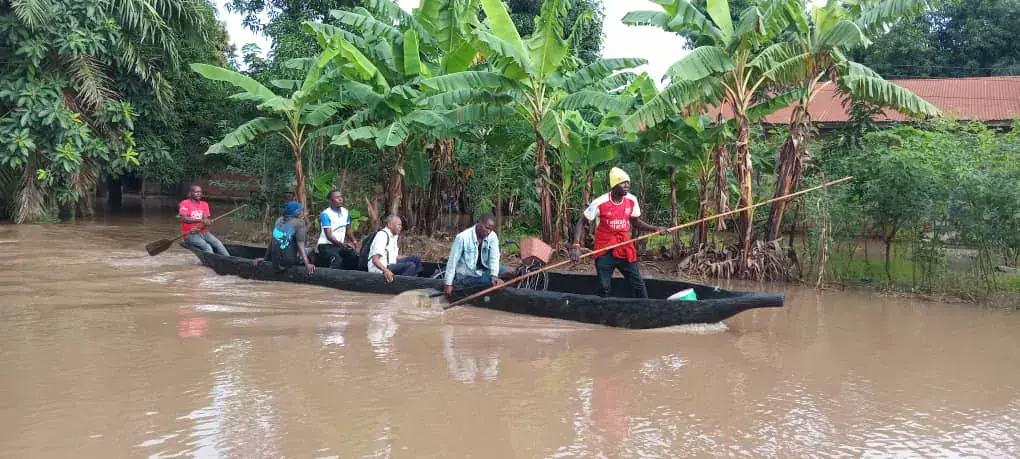
The Tanzania Meteorological Authority has forecast average to above-average Vuli rains in several parts of the country, including the Lake Victoria Basin, northern coastal areas, the northeastern highlands, and northern Kigoma. These rains, which could continue until January 2027, may disrupt businesses, transport, and fishing activities. While excessive rainfall may bring flooding and damage to infrastructure, it could also improve water availability and pasture for productive use.
The Ministry of Livestock and Fisheries has urged stakeholders in the livestock and fisheries sectors to prepare for the expected El Niño rains. The then Deputy Minister for Livestock and Fisheries, Ng'wasi Kamani, now in charge of the livestock docket, warned that the sectors faced potential risks that required early intervention to protect production and the livelihoods of people who depend on them. Strong winds, flooding, rising water levels, and water pollution could disrupt fishing and aquaculture activities.
To minimise the risks, the ministry has advised people working in the sectors to follow official TMA updates and strengthen their infrastructure before the heavy rains begin. Preparations include inspecting canoes, boats, fishing nets, fish ponds, fish cages, and water systems used in fish farming. Empty fish cages should be removed from the water and stored on land to protect them from damage caused by strong winds and large waves.
Aquaculture farmers have been advised to monitor water quality, particularly oxygen levels in the early morning and after several days of continuous rainfall. Seaweed farmers and sea cucumber producers should also monitor salinity levels in seawater. The ministry has urged fish farmers to harvest fish that have reached market size before the period of heightened risk and avoid stocking fingerlings when forecasts indicate a likelihood of strong winds or flooding.
The livestock sector also faces challenges, as heavy rains could flood grazing areas in low-lying locations, wash away pasture on higher ground, and prevent animals from accessing grazing fields, cattle dips, and markets. Although rainfall could improve water supplies, dams and livestock watering ponds may fill with silt or have their banks breached. Stagnant water in animal pens and grazing areas could also increase the risk of livestock diseases.
The Tanzania Fishers Union Secretary General, Jephta Machandalo, said the forecast El Niño rains could disrupt fishing activities, reduce fish supplies, and threaten fishermen's livelihoods. He warned that flooding in lakes could disrupt aquatic ecosystems and damage fish breeding grounds. Heavy rainfall and poor weather conditions could prevent fishermen from going out to sea, reducing their catches and earnings.
The ministry has prepared information leaflets outlining measures to protect livestock and distributed them through social media platforms. Awareness campaigns have also been conducted through meetings involving ministry officials, experts, and livestock keepers. The measures are intended to reduce potential losses and help livestock keepers, fishers, and aquaculture farmers protect their livelihoods as the country prepares for the coming rains.
Key points
- The Tanzanian government has advised the public to prepare for El Niño-related flooding.
- The livestock and fisheries sectors are expected to be significantly impacted.
- The government is conducting awareness campaigns to educate people on protective measures.