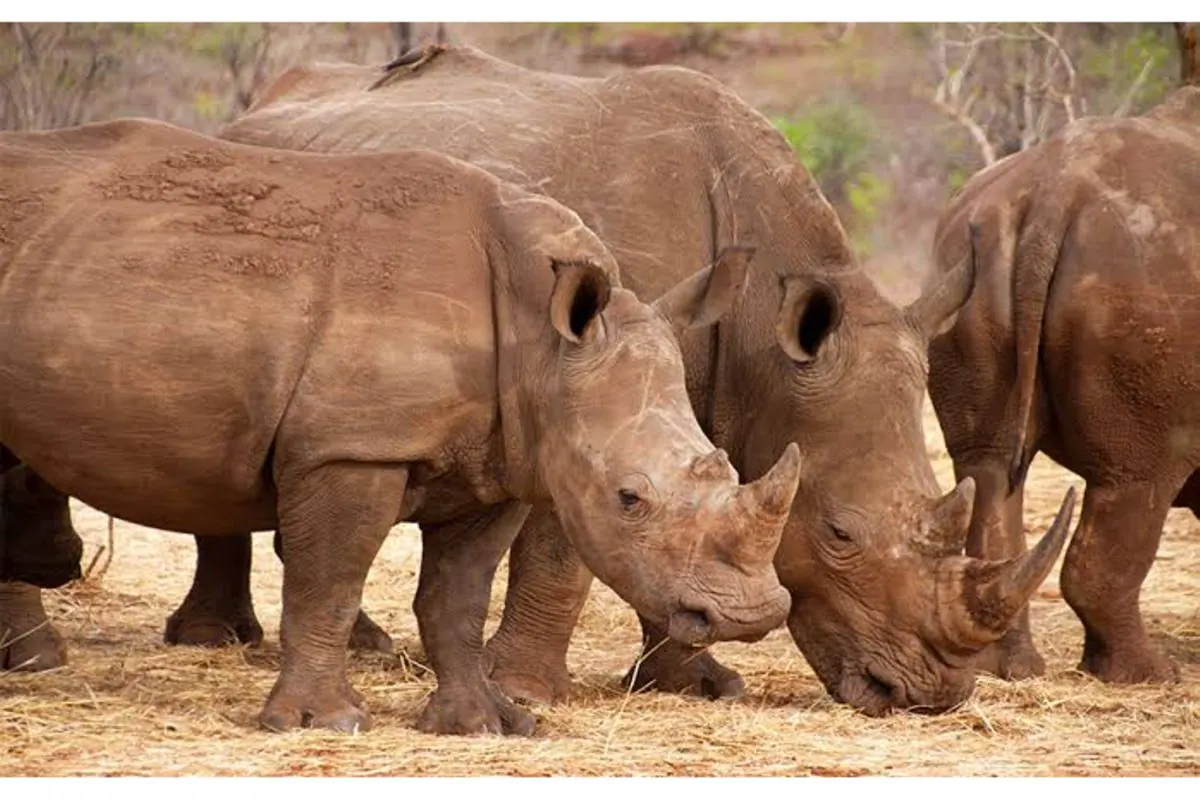
Tanzania's rhino population has shown significant recovery, increasing to 302 after decades of poaching brought the species close to extinction. According to Dr. Victor Kakengi, Secretary of the Tanzania Wildlife Research Institute Technical Committee for Rhino Conservation, the country's rhino population had dwindled to fewer than six animals in the 1970s and 1980s due to poaching. The latest census, conducted up to June 2025, recorded 302 rhinos, a substantial increase from the low numbers of the past.
Despite the recovery, conservationists emphasize that restoring the rhino population to historical levels will require sustained efforts. Dr. Kakengi noted that Tanzania had about 10,000 rhinos before poaching reduced the population. He stressed that authorities are strengthening anti-poaching operations and using technology to track the animals, monitor their movements, and identify signs of attacks, illness, or death. This includes monitoring systems that can track body temperature, helping conservationists detect changes in an animal's condition.
Threats to the rhino population's survival persist, including habitat loss, human settlement, and farming that has encroached on wildlife corridors. Dr. Kakengi mentioned that many areas previously connected have been left like islands, while wildlife corridors have been heavily encroached by people. To address declining genetic diversity, conservationists are moving rhinos between populations after assessing their genetic relationships. This allows them to mix different genetic lines and maintain genetic diversity.
The national rhino conservation strategy expired in 2024, although several of its measures remained in use. Tanzania Association of Tour Operators chairman Willbard Chambulo said government conservation efforts were beginning to produce results after the illegal rhino-horn trade severely reduced the population. He called for more rhinos to be reintroduced into national parks where they had disappeared, saying this would strengthen both conservation and Tanzania's Big Five tourism offering.
Reintroduction programs have already shown success, with 18 white rhinos from South Africa being introduced to Tanzania. Seventeen of these rhinos were released into the Ngorongoro Crater. Contantine Akitanda, chief executive officer of the Tanzania Conservation and Heritage Initiative, cited the increase from 142 rhinos in 2014 to 322 in 2025, although this figure differs from the 302 recorded in the latest Tawiri census.
Despite the recovery, conservationists warn that the population remains vulnerable. Akitanda emphasized the need to reconnect habitats so rhinos can move and breed freely instead of being confined to isolated pockets. He also urged the government to ensure communities living near rhino habitats benefit from conservation through employment, tourism revenue, and other economic opportunities.
As Tanzania joins the world in marking World Rhino Day on September 22, conservationists and stakeholders are highlighting the importance of sustained efforts to protect the rhino population. With continued investment in anti-poaching measures, surveillance technology, and community involvement, Tanzania aims to maintain and further increase its rhino population, ultimately restoring it to its former glory.
Key points
- The rhino population in Tanzania has increased to 302 after decades of poaching.
- Conservationists emphasize the need for sustained efforts to protect habitats and prevent renewed poaching.
- Reintroduction programs and community involvement are crucial to maintaining and increasing the rhino population.