Tanzania's decision to introduce practical subjects such as agriculture, Information and Communication Technology (ICT), and Business Studies at lower secondary school is yielding positive results. The approach is helping equip young people with skills for employment and entrepreneurship, according to a new report on education and the future of work. The report, Secondary Education in Africa: Expanding Pathways to Work, Livelihoods, and Lifelong Learning, was published by the Mastercard Foundation and launched in Accra, Ghana, on November 24, 2026.
The report identifies Tanzania's approach of integrating practical subjects into the secondary school curriculum as an important step towards preparing learners for the realities of the labour market. Only about one-quarter of students progress to upper secondary education, making it crucial to provide learners with practical competencies before they leave the education system. The introduction of subjects such as agriculture, ICT, Business Studies, tailoring, home economics, and life skills at an early stage gives learners practical skills.
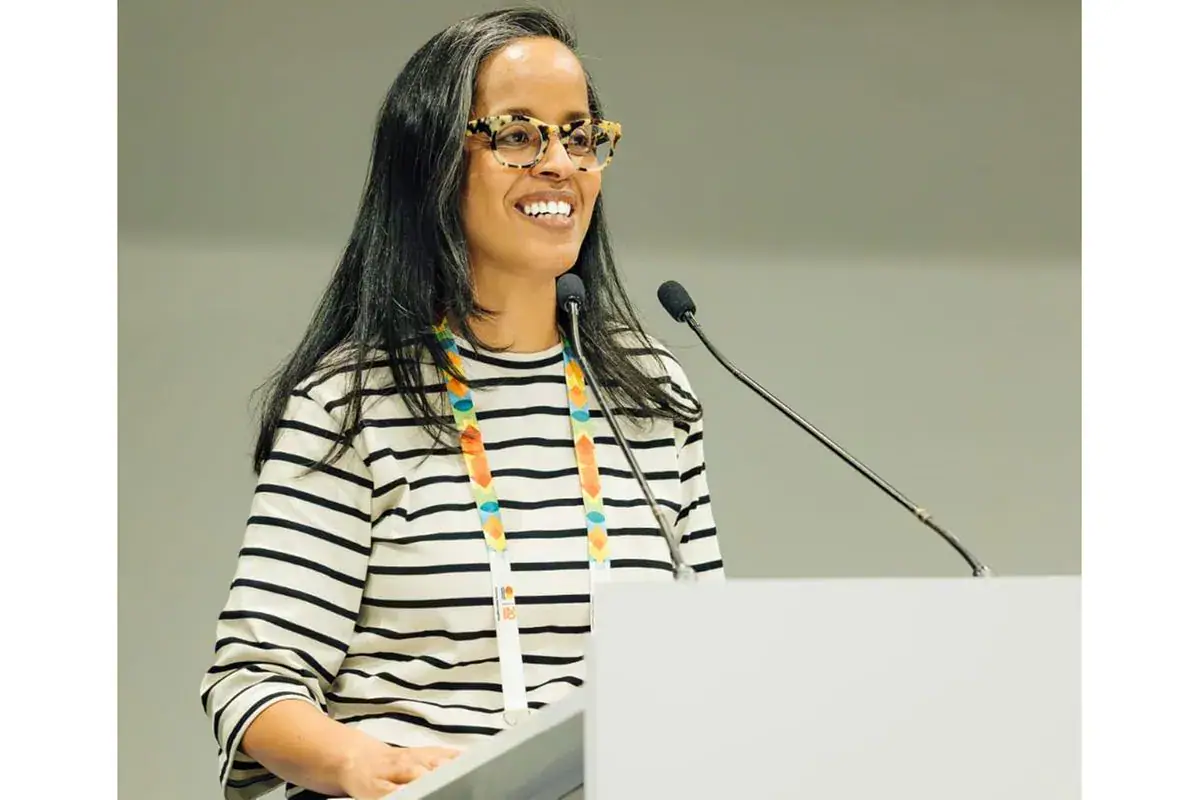
Mastercard Foundation President and Chief Executive Officer Sewit Ahderom emphasized the importance of education in preparing young people for the labour market. "Education for today's young people, especially at the secondary level, must lead somewhere," she said. "For most young Africans, secondary school is the last time a system reaches them at scale. It's where we can make the biggest difference to whether they find dignified and fulfilling work."
The report highlights the realities facing young Tanzanians entering the labour market, noting that agriculture accounts for 66 per cent of youth employment, while only five per cent of young workers hold formal jobs. The figures point to limited opportunities for secure employment and underline the importance of equipping learners with skills that can support livelihoods beyond conventional formal employment.
Mastercard Foundation Director of Evidence and Learning Insights Eunice Muthengi said education systems must reflect the economic circumstances young people are likely to encounter rather than prepare them exclusively for formal employment. "For many, informality is not a brief transition before a formal job. It is where they will begin and sustain their working lives," she said.
The report also recognises Tanzania's efforts to integrate technical competencies into both general and vocational education pathways. The National Examinations Council of Tanzania has introduced assessments that combine theoretical knowledge with practical tasks in vocational subjects. Learners enrolled in the new vocational education pathway receive both a secondary education certificate and a skills certificate upon completing Form Four.
Despite the progress, the report identifies opportunities for Tanzania to strengthen the connection between education and emerging sectors of the economy, particularly the green economy. The report points to Zambia as an example of how such connections can work, where young women received training in climate-smart agriculture and shared their knowledge with 8,500 other women through demonstration farms.
Key points
- The Mastercard Foundation report highlights Tanzania's approach to integrating practical subjects into secondary education as a key strategy for preparing young people for the labour market.
- The report emphasizes the need for education systems to reflect the economic circumstances young people are likely to encounter, rather than preparing them exclusively for formal employment.
- The report recommends that secondary schools strengthen career guidance, mentoring, work-based learning, and entrepreneurship support to prepare learners for the transition to emerging sectors of the economy.