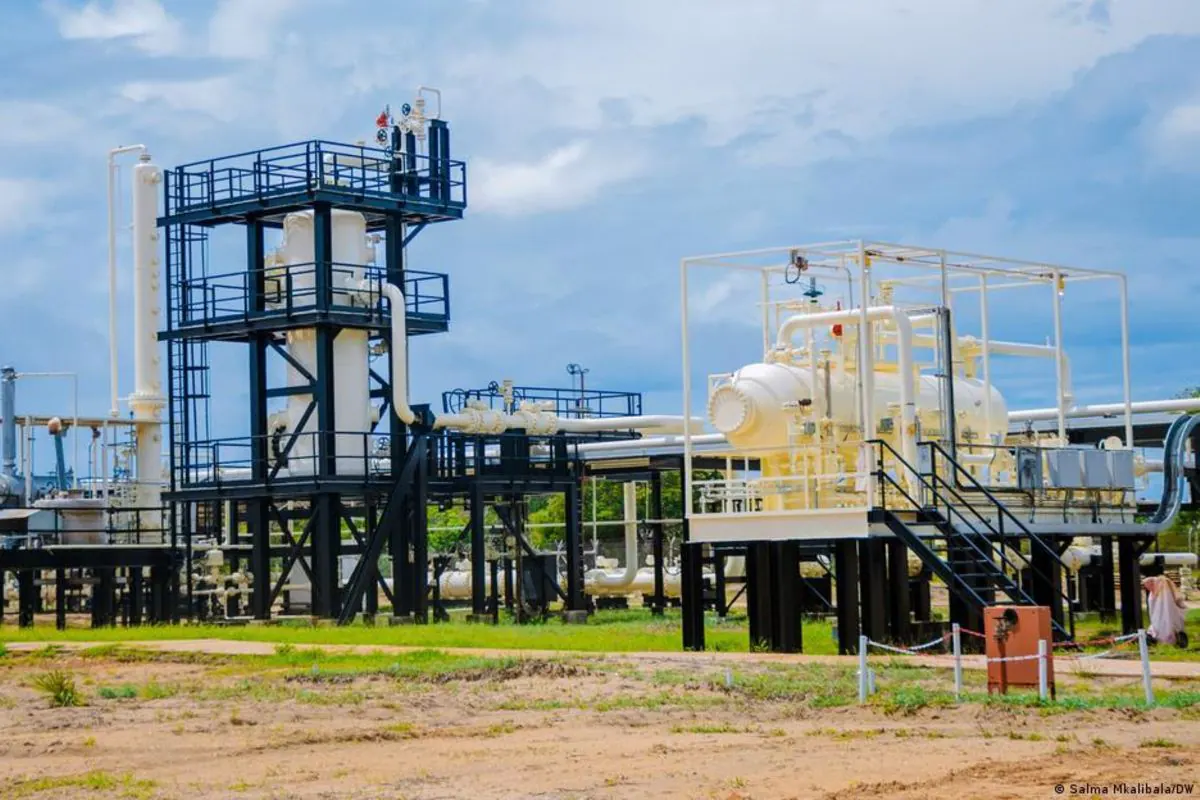
Tanzania's long-awaited $42 billion liquefied natural gas (LNG) project is on the cusp of a major breakthrough. Commercial terms, taxation, and revenue sharing have been negotiated with prominent investors, including Shell, Equinor, ExxonMobil, Pavilion Energy, and Medco Energi. The project's success now hinges on the enactment of a dedicated law to govern the project, which is expected to be completed by the end of the year, followed by parliamentary approval and the partners' final investment decision.
The Energy docket has recently changed hands, with the new minister arriving from Constitutional and Legal Affairs at a critical juncture. The outstanding work is largely legal, and the minister's expertise will be crucial in navigating the complexities of the project. A project-specific law is being drafted to address the concerns of both investors and the government. The 2017 natural wealth and resources laws gave Parliament the power to review and renegotiate agreements it considers unconscionable, which has raised concerns among investors about the stability of the investment environment.
A stabilisation regime is being considered to protect investors from the state as legislator, but it will not address concerns about the state's role as shareholder or customer. Tanzania is both a shareholder and a customer, with the Tanzania Petroleum Development Corporation (TPDC) sitting inside the consortium and a domestic market obligation that requires part of the gas to be sold locally. Lenders will closely examine TPDC's capacity to meet cash calls and the domestic buyer's capacity to pay, long before debating a stabilisation clause.
The conversation about institutional reforms is gaining momentum, with a focus on improving the performance of state enterprises. A forum of chief executives and board chairs of public entities convened by the Treasury Registrar in Arusha emphasized the need for state enterprises to be judged on productivity, financial resilience, innovation, and competitiveness, rather than just dividends. This shift in focus is expected to improve the financial health and efficiency of state enterprises, including TPDC.
The Public Investment Law, which is nearing completion, will create a Public Investment Fund and introduce merit-based recruitment for boards and chief executives. The law aims to address the problem of underfunding of public corporations, which has forced them to borrow expensively to stay afloat. TPDC reported a profit of Sh73 billion for 2025/26 and a dividend of Sh15 billion, respectable for an operating company but not sufficient for a co-owner of a project of this magnitude.
To close the gap between the LNG law and institutional reforms, three design choices are being considered. First, the Public Investment Law should clarify how the state's equity in strategic projects is funded, ensuring that cash calls are not dependent on annual appropriations. Second, TPDC's performance should be measured against published project-readiness measures, including timely audited accounts, a funding plan for its participation, and a governance charter for its role in the consortium.
The LNG project offers a significant opportunity for Tanzania, but it requires careful planning and execution. With the window of opportunity open, albeit not permanent, Tanzania must ensure that the LNG law and institutional reforms are aligned to attract investors and ensure the project's success. The conversation about the LNG project and state enterprise reforms should be held in the same room, in public, to ensure that all stakeholders are on the same page.
Key points
- The success of Tanzania's $42 billion LNG project depends on the enactment of a dedicated law and institutional reforms.
- The project's investors are awaiting a stable investment environment, with a focus on the state's role as shareholder and customer.
- Institutional reforms, including the Public Investment Law, aim to improve the performance of state enterprises and ensure the project's success.