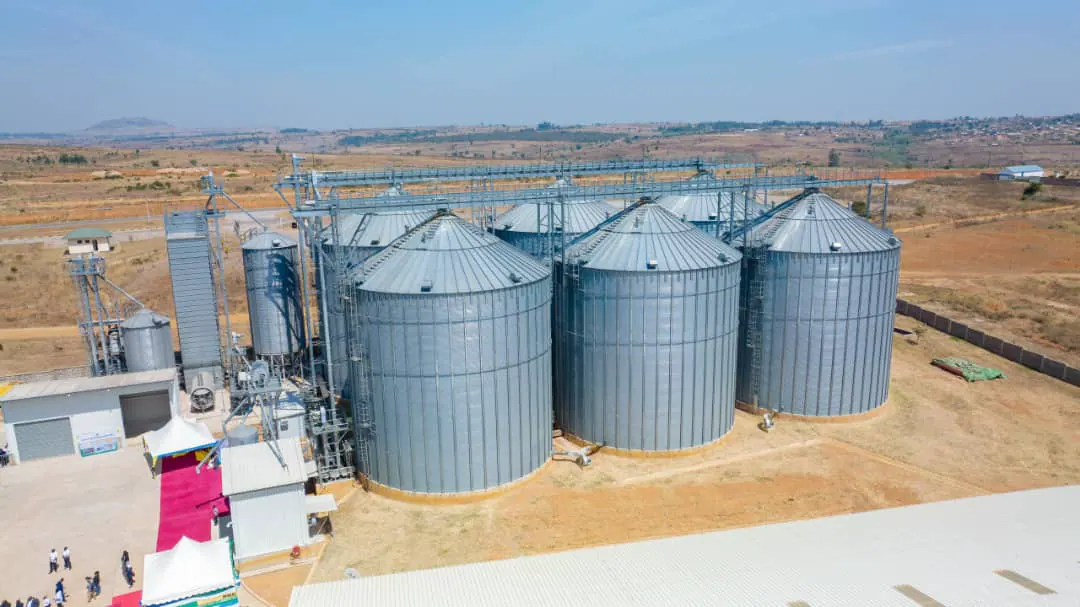
Tanzania has made significant strides in food production and self-sufficiency, with growth rising to 133% in the 2026/27 season, up from 130% in the 2024/25 season. This progress was announced by Tanga Regional Commissioner, Dr. Batilda Buriani, ahead of the national World Food Day celebrations in Tanga Region on October 16. The increase in food production is a positive indicator for the country's efforts to ensure adequate food availability.
Despite this progress, Tanzania still faces challenges related to poor nutrition and stunting among young children. Dr. Buriani noted that the government is developing and implementing targeted strategies to address these challenges and improve nutritional outcomes. The government aims to promote access to improved seeds that will not only increase crop production but also improve consumers' health. This initiative is part of a broader effort to tackle malnutrition and promote sustainable agriculture practices.
The national World Food Day celebrations in Tanga Region will showcase various technologies and innovations in the agriculture, livestock, and fisheries sectors. The government, in collaboration with stakeholders, plans to promote access to improved seeds, crop production, and consumers' health. This event aims to highlight the country's progress in food production and self-sufficiency while addressing the remaining challenges in ensuring adequate nutrition for its citizens.
Theophord Ndunguru, Acting Assistant Director for Crop Monitoring and Food Security at the Ministry of Agriculture, emphasized the government's efforts to promote biofortification technology. This technology involves developing crop varieties with higher nutritional value, enabling crops to provide essential nutrients from the time they are grown. The goal is to improve public health by increasing the nutritional content of crops.
In addition to biofortification, the government is also promoting industrial food fortification to combat malnutrition across the country. This approach aims to add essential vitamins and minerals to processed foods, including maize flour. By promoting both agricultural technology and industrial food fortification, the government seeks to improve public health and address malnutrition.
The government's initiatives to promote food production, nutrition, and sustainable agriculture practices are critical in addressing the country's challenges. With a growing population and increasing food demands, Tanzania must continue to invest in agriculture and nutrition to ensure food security and improve the health and well-being of its citizens. The progress made in food production growth is a positive step towards achieving these goals.
As Tanzania continues to celebrate its progress in food production, the government remains committed to addressing the remaining challenges in ensuring adequate nutrition for its citizens. The national World Food Day celebrations in Tanga Region will serve as a platform to showcase the country's achievements and ongoing efforts to promote sustainable agriculture practices, improve nutrition, and ensure food security for all.
Key points
- Tanzania's food production growth has risen to 133% in the 2026/27 season.
- The government is promoting biofortification technology and industrial food fortification to combat malnutrition.
- The country still faces challenges related to poor nutrition and stunting among young children.