Tanzania's efforts to achieve a just energy transition and expand access to clean cooking rely heavily on the financial sector's ability to mobilize investment. Stakeholders emphasize that banks and financial institutions play a crucial role in financing sustainable businesses, supporting small and medium-sized enterprises (SMEs), and enabling communities to access cleaner energy solutions. This was highlighted at a sustainability workshop organized by NMB Bank in partnership with FMO and Financing Motion.
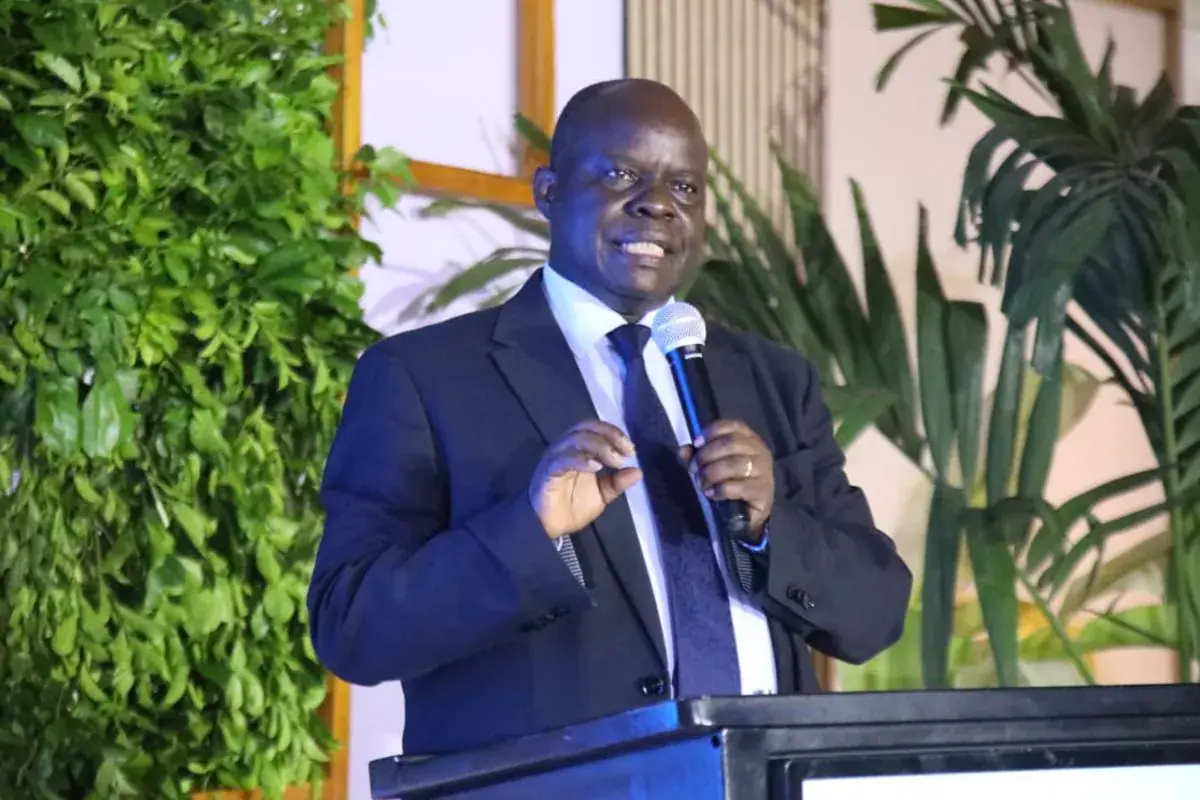
The Permanent Secretary in the Vice-President's Office responsible for Union Affairs and Environment, Mr. Richard Muyungi, stressed that the transition to a sustainable economy must be inclusive, ensuring that no one is left behind. This approach aligns with the vision championed by President Samia Suluhu Hassan. Achieving this goal requires stronger private sector participation and increased investment. Mr. Muyungi emphasized that expanding energy access and promoting clean cooking would be difficult without financial institutions actively mobilizing resources and supporting investment in the sector.
Mr. Muyungi highlighted the banking sector's role in developing carbon markets, stating that financial institutions would be instrumental in mobilizing the capital needed to make these markets effective. He noted that a just transition would mean ensuring that nobody is left behind, reflecting President Hassan's vision. The financial sector's involvement is critical in supporting SMEs, which contribute to economic growth and job creation.
Dutch Entrepreneurial Development Bank (FMO) representative Elise Fortes emphasized the importance of financial institutions in emerging markets, particularly in supporting SMEs and advancing financial inclusion. She noted that the sector plays a crucial role in reducing inequalities and supporting climate action through emissions reduction and adaptation initiatives. FMO has a longstanding partnership with NMB Bank, which began in 2014, supporting efforts to strengthen sustainable businesses and promote economic development.
Ms. Fortes highlighted that financial institutions can help businesses respond to climate-related challenges while widening access to financial services, particularly among underserved communities. She expressed FMO's pleasure in continuing its partnership with NMB Bank, seeing the workshop as a vital next step. The partnership aims to support sustainable economic activities and promote environmental sustainability.
The workshop took place as Tanzania seeks to accelerate the adoption of cleaner energy, strengthen climate resilience, and attract investment into sustainable economic activities. Financial institutions are expected to play a central role in financing the transition. The event brought together stakeholders to discuss the importance of sustainable financing and the role of the financial sector in supporting Tanzania's environmental goals.
The collaboration between NMB Bank, FMO, and other stakeholders underscores the commitment to promoting sustainable economic development and environmental sustainability in Tanzania. By working together, these institutions aim to mobilize investment, support SMEs, and advance financial inclusion, ultimately contributing to a more sustainable and equitable economy.
Key points
- Financial institutions are crucial for mobilizing investment in sustainable businesses and supporting small and medium-sized enterprises (SMEs) in Tanzania.