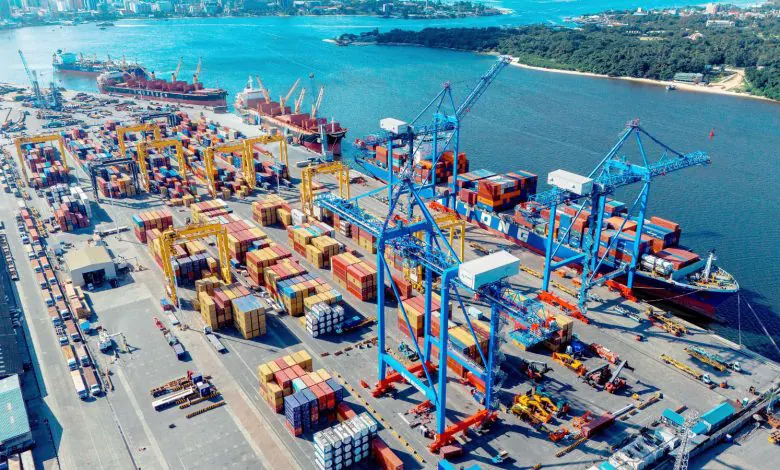
The Dar es Salaam Port in Tanzania is undergoing a significant transformation with a multibillion-dollar infrastructure push. The project, which began as a World Bank-financed initiative in 2017, aims to turn the port into East and Central Africa's most competitive trade artery. The expansion is expected to deliver tangible benefits for citizens, businesses, and investors alike. The project has evolved into a comprehensive modernisation programme, reshaping regional trade dynamics and positioning Tanzania as a gateway for seven landlocked nations.
The physical transformation of the port is evident with the construction of ten new berths, increasing the total from 12 to 22, at a cost of approximately 2 billion US dollars. The port deepening programme has enabled the facility to accommodate large vessels of up to 8,000 containers. The expansion is part of the government's strategy to strengthen transport infrastructure and enhance Tanzania's competitive position as a regional trade hub. President Dr Samia Suluhu Hassan highlighted the progress made during the ground-breaking ceremony for oil storage tanks at the port on March 3, 2026.
The strategic engagement of private operators has been central to the port's revival. The Tanzania Ports Authority signed concession agreements with DP World and Adani International Ports, establishing DP World Dar es Salaam Limited and Tanzania East Africa Gateway Terminal Limited. DP World has invested approximately 214.2bn/- in new equipment and modern systems, while Tanzania East Africa Gateway Terminal Limited is investing 410.4bn/- in infrastructure rehabilitation and upgrades. The partnerships have led to a significant reduction in ship turnaround times and an increase in cargo volumes.
The impact of the port expansion has been dramatic, with ship turnaround times for container vessels falling from an average of 30 days to just six days. Cargo volumes rose to 27.7 million tonnes in 2024/2025, a 17 per cent increase. The facility handled a total cargo throughput of 33.71 million tonnes in the 2025/26 financial year, representing a 21.5 per cent increase from the previous year. The Tanzania Ports Authority Director General attributed these gains to sustained investment in the port sector.
The port modernisation is delivering tangible dividends for Tanzanian businesses and citizens. The elimination of the 1,000 US dollars container demurrage fee has resulted in annual savings of 600 million US dollars for traders. The partnership with DP World has generated 325.3bn/- in government revenue through land rent, royalties, and wharfage charges. The expansion is also creating jobs, with direct employment reaching 764 jobs as of June 2025, and thousands of indirect jobs created.
The port's strategic importance extends beyond Tanzania's borders, with Tanzanian ports handling approximately 12.6 million tonnes of transit cargo in the 2024/2025 financial year. The Democratic Republic of Congo led with nearly 6 million tonnes, followed by Zambia with 3.5 million tonnes and Rwanda with 1.7 million tonnes. In the 2025/2026 financial year, transit cargo rose 17 per cent to 14.61 million tonnes, driven heavily by regional markets.
The Dar es Salaam Port has climbed 105 places globally in the 2025 Container Port Performance Index, from 360th in 2024 to 255th in 2025, making it the highest-performing port in East Africa. The Tanzania Ports Authority has reduced the Port Infrastructure Development Levy from 9 per cent to 4.5 per cent of customs duty, demonstrating its commitment to listening to stakeholders. The port's expansion is a strategic asset in a changing world, poised to drive economic growth and regional trade.
Key points
- The Dar es Salaam Port expansion aims to increase efficiency, capacity, and regional trade.
- The project has led to significant investments, job creation, and increased cargo volumes.
- The port's strategic importance extends beyond Tanzania's borders, serving seven landlocked nations.