Tanzania's ambition to generate at least $1 billion annually from carbon credit exports by 2050 is being tested as international standards tighten, potentially affecting investment returns, government revenue, and income for participating communities. The country's Long-Term Perspective Plan 2026/27–2050/51 sets a target of developing at least 100 certified projects across forestry, blue carbon, renewable energy, waste management, and sustainable agriculture.
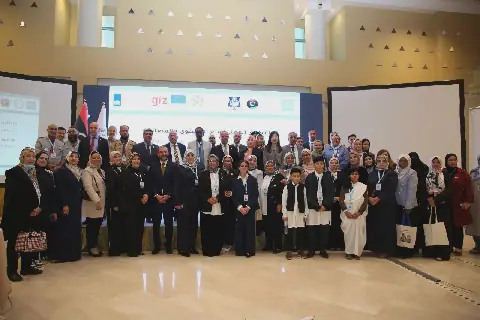
The changes, particularly under Article 6 of the Paris Agreement, emphasize accurate emissions accounting, transparency, and proof that carbon projects deliver genuine environmental benefits. They also seek to prevent double counting of emissions reductions and curb misleading environmental claims in voluntary carbon markets. The implications were highlighted during a three-day carbon stakeholders' seminar organised by the Norwegian Embassy in Dodoma, which began on November 25, 2026.
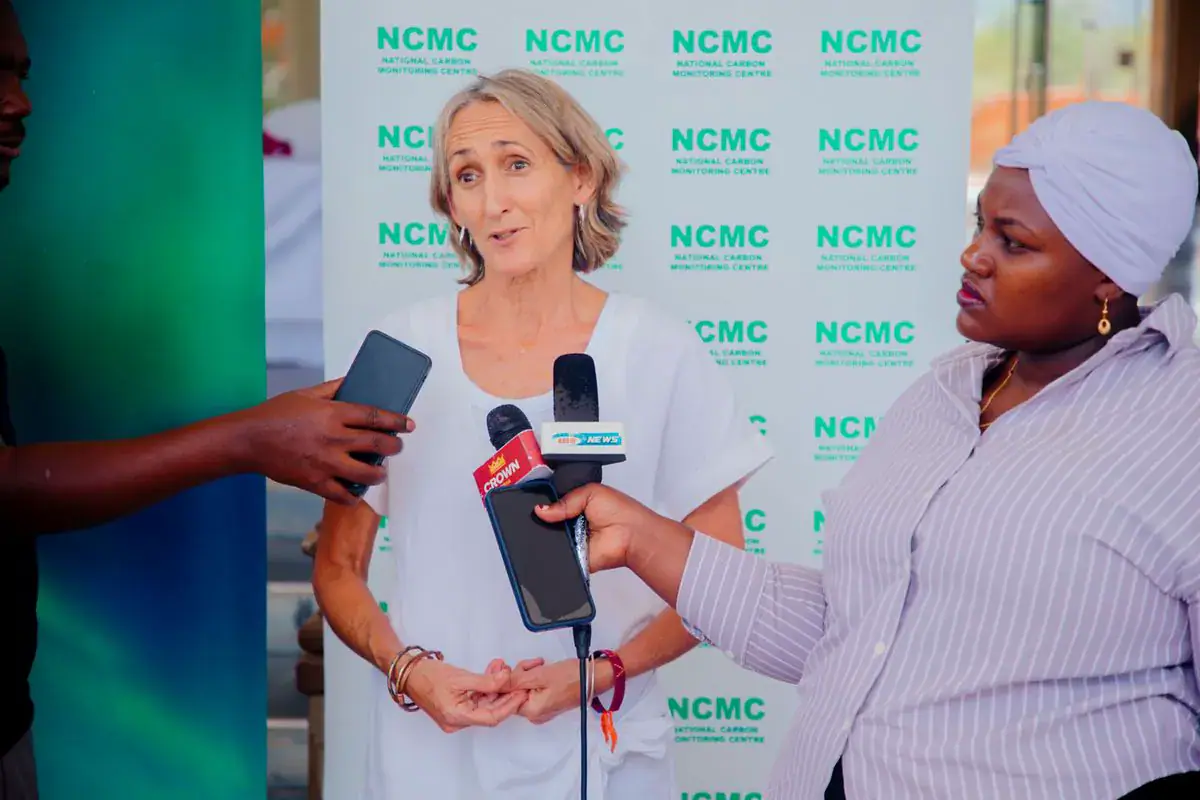
Director of Legal Services at the National Carbon Monitoring Centre (NCMC) Ms Risper Koyi stated that new methodologies introduced under the Article 6 Supervisory Body of the Paris Agreement could significantly affect the volume of credits generated by existing and future projects. She said projects previously expected to generate 10 tonnes of carbon credits could produce only four or six tonnes under the revised methodologies.
A reduction in credit volumes could affect project revenues, investor returns, and the benefits shared with communities and local authorities, potentially changing the economics of conservation and other climate-related investments. Tanzania had registered 117 carbon projects, but only six had reached the implementation stage and generated revenue. The Government had received about Sh48 billion from the sector by last year, alongside benefits channelled directly to participating communities.
Chief Executive Officer of Carbon Tanzania Ms Sally Capper said the organisation had channelled more than Sh65 billion into community development initiatives through carbon revenue over the years. She said the funds had supported projects selected by communities in collaboration with their respective district authorities. Local government authorities receive eight per cent of project revenue, part of which supports forest protection and community oversight.
Ms Capper warned that tighter methodologies could reduce credit volumes and, consequently, the revenue available for community development. However, she said projects demonstrating stronger environmental and biodiversity outcomes could remain attractive to international buyers, with higher-integrity credits potentially commanding better prices.
Participants called for clearer regulations covering different categories of carbon projects, including REDD+ and non-REDD+ initiatives, as well as greater involvement of local researchers, universities, and other institutions in developing projects that meet international standards. Ms Koyi said NCMC was working with developers to identify challenges arising from the new methodologies, with Tanzania planning to present its concerns at a United Nations meeting scheduled for June 2027.
Key points
- Tanzania aims to generate at least $1 billion annually from carbon credit exports by 2050.
- Tightening international standards under Article 6 of the Paris Agreement may reduce the volume of credits generated by carbon projects.
- The changes could affect project revenues, investor returns, and benefits shared with communities and local authorities.