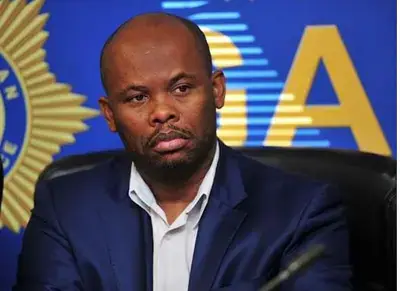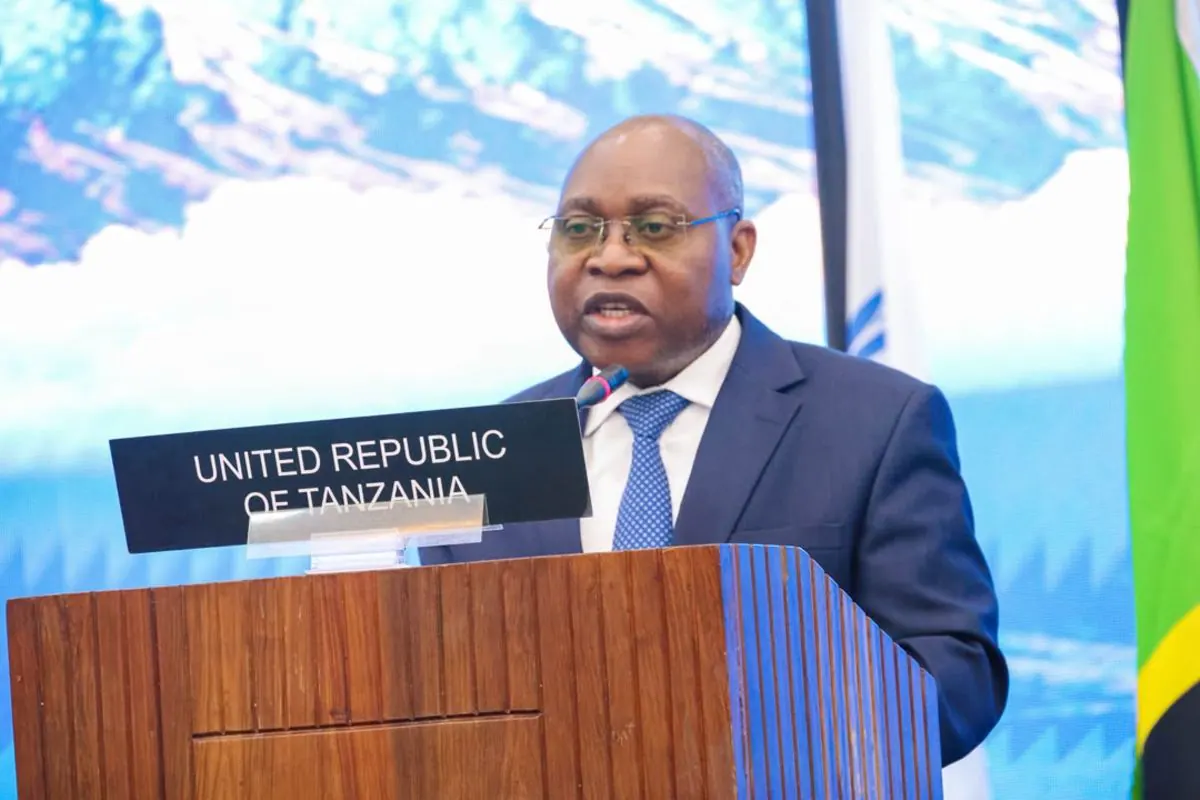
Tanzania has renewed its push for Kiswahili to be recognised as an official working language of the Inter-Parliamentary Union (IPU). The call was made by Dr Damas Ndumbaro, Chairperson of the Tanzania IPU Parliamentary Group, during the 153rd IPU Assembly in Arusha. The assembly brought together over 2,000 delegates from 184 countries. Dr Ndumbaro argued that language is central to making parliamentary institutions more inclusive and accessible.
Currently, English and French are the IPU's official languages, while Arabic and Spanish are also used as working languages at its major meetings. Dr Ndumbaro said Kiswahili, spoken by over 200 million people, deserved greater recognition in international institutions. He described Kiswahili as the only indigenous African language with international status. This call is not new, but Tanzania is reiterating its demand at a critical time.
Dr Ndumbaro made the remarks while addressing delegates on governance, inclusion, and the role of parliaments in responding to challenges facing citizens. He emphasized that good governance should not be viewed as an abstract principle but measured by citizens' access to services, participation in decision-making, and trust in public institutions. Good governance, according to Dr Ndumbaro, should be transparent, accountable, inclusive, capable, responsive, and effective.
The Tanzanian lawmaker cited his country's 'Parliament of Proximity' approach as an initiative to bring Parliament closer to citizens. This approach includes Constituent Weeks, Mobile Committees, and live Kiswahili broadcasts. Dr Ndumbaro said these initiatives ensured that governance was not distanced but proximate and participatory. He also stressed the importance of involving women, young people, people with disabilities, and marginalized groups in decision-making.
Dr Ndumbaro highlighted the role of technology in widening access to information, improving service delivery, and strengthening accountability. However, he warned that misuse of technology could deepen exclusion, spread misinformation, and undermine rights. He called for parliamentary legislation on digital sovereignty to ensure innovation remained transparent, inclusive, secure, and subject to democratic oversight.
On climate change, Dr Ndumbaro called for stronger parliamentary oversight of climate finance. He proposed an IPU standing mechanism pairing donor-country parliaments with recipient-country parliaments to jointly oversee climate finance. Dr Ndumbaro also stressed the importance of civic education in preparing young people to participate in democratic processes and resist misinformation and polarization.
Dr Ndumbaro concluded by emphasizing the importance of cooperation among parliaments and nations. He urged delegates to remain connected to the challenges facing constituents beyond parliamentary chambers. The true test of governance, according to Dr Ndumbaro, is what delivers to people's lives.
Key points
- Tanzania renews call for Kiswahili as official IPU language
- Dr Ndumbaro emphasizes importance of good governance and inclusion
- Tanzania proposes IPU mechanism for climate finance oversight