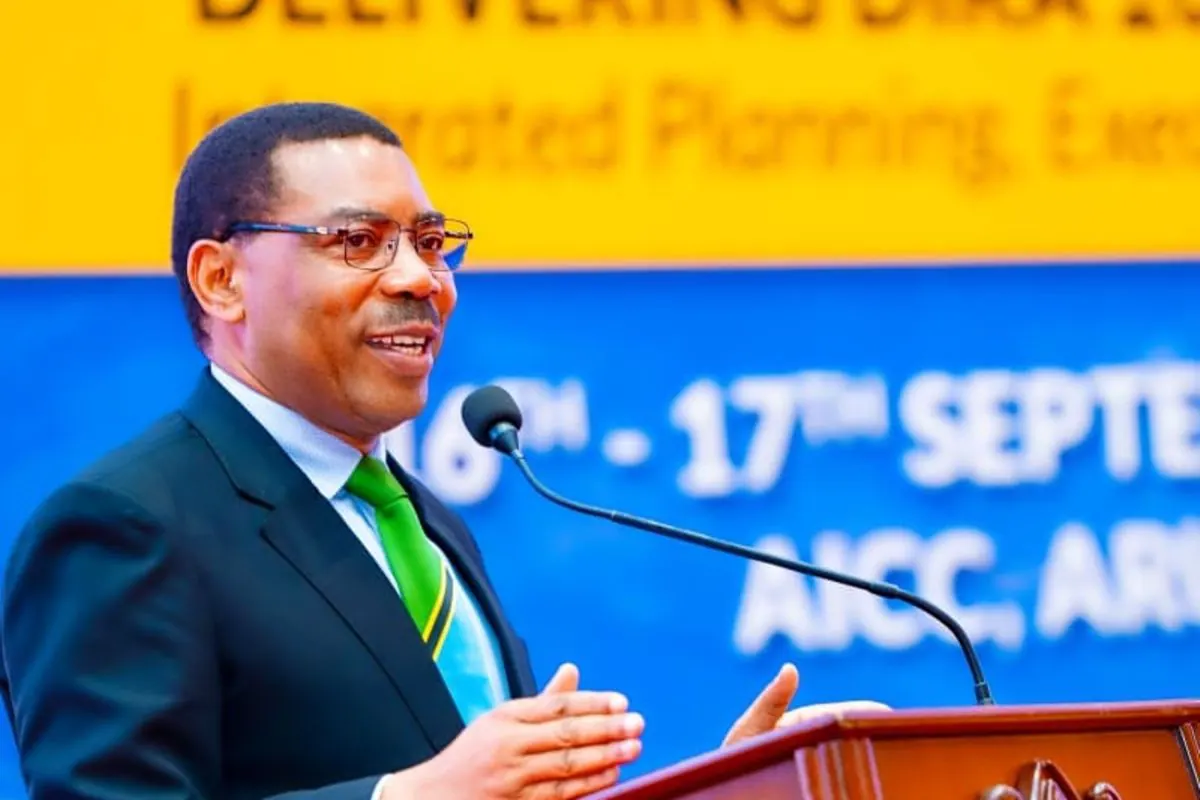
The government of Tanzania has identified eight strategic priorities to achieve the targets of the Development Dira 2050. These priorities were outlined by Prime Minister Mwigulu Nchemba during the National Planners' Conference held in Arusha from September 16 to 17, 2026. The priorities aim to focus on implementation, accountability, and measurable results. The first priority is aligning policies, plans, and budgets to ensure national priorities move in the same direction.
The second priority is the implementation of the Fourth National Five-Year Development Plan (FYDP IV), covering 2026/27 to 2030/31, which is the first phase of implementing Vision 2050. The plan aims to support the country's ambition of building a $1 trillion economy and raising annual per capita income to $7,000 by 2050. This plan is crucial in achieving the country's long-term development goals.
The government has also prioritized inclusive economic growth and price stability. According to Dr. Nchemba, the economy grew by 5.9 percent in 2025, compared with 5.6 percent in 2024, while inflation remained within the three to five percent target. Planners are urged to ensure that their plans drive this growth further and make it inclusive at all levels.
Expanding the domestic tax base is the fourth priority, with the government seeking to implement recommendations of the Presidential Commission on Tax Reforms to increase domestic revenue for development programs and reduce reliance on external sources. This move aims to strengthen the country's financial capacity to fund its development initiatives.
Strengthening the fight against corruption, transparency, and accountability in managing public funds and development projects is another priority. Dr. Nchemba urged planners to consider recommendations from oversight and anti-corruption institutions. This move is expected to enhance accountability and transparency in the management of public resources.
Resolving land conflicts and improving land-use planning, creating employment opportunities and skills for young people, and strengthening the blue economy and addressing climate change are also among the priorities. These areas are considered crucial for facilitating investment, promoting sustainable development, and addressing the challenges facing the country.
Dr. Nchemba emphasized that the ultimate test of Dira 2050 would be its impact on citizens rather than the volume of plans produced. He urged planners to focus on turning "Dira 2050 into priorities; plans into budgets and projects; statistics into decisions; and implementation into results visible in people's lives." The success of Dira 2050 will be measured by its impact on the lives of Tanzanians.
Key points
- The government of Tanzania has identified eight strategic priorities to achieve the targets of the Development Dira 2050.
- The priorities include aligning policies, plans, and budgets, implementing the Fourth National Five-Year Development Plan, and promoting inclusive economic growth.
- The success of Dira 2050 will be measured by its impact on the lives of Tanzanians, including job creation, increased incomes, and improved services.