A recent study by the Elizabeth Glaser Pediatric AIDS Foundation (EGPAF) and Tanzania's Ministry of Health has found that the country needs to invest approximately $15.6 million over the next four years to eliminate mother-to-child transmission of HIV, syphilis, and hepatitis B by 2030. This investment is crucial in preventing new infections among children and saving lives. According to the study, 5,054 new infections among children can be prevented, and 1,946 lives can be saved between 2027 and 2030.
The study highlights that Tanzania has a significant number of pregnancies annually, with approximately 3.02 million pregnancies and 2.71 million women attending antenatal care (ANC) at least once. However, there are gaps in the testing and treatment of HIV, syphilis, and hepatitis B. Although 98.3 percent of pregnant women are tested for HIV at their first ANC visit, coverage falls to 45.4 percent for repeat testing during the final three months of pregnancy.
The study also reveals that for syphilis, 83 percent of pregnant women are tested, which is below the World Health Organisation (WHO) target of 95 percent. Additionally, 91.9 percent of those diagnosed receive treatment. However, the gaps are wider for hepatitis B, with HBsAg testing among pregnant women standing at 45 percent, and HBeAg testing not currently available. Only 10 percent of pregnant women with hepatitis B receive preventive treatment with tenofovir (TDF).
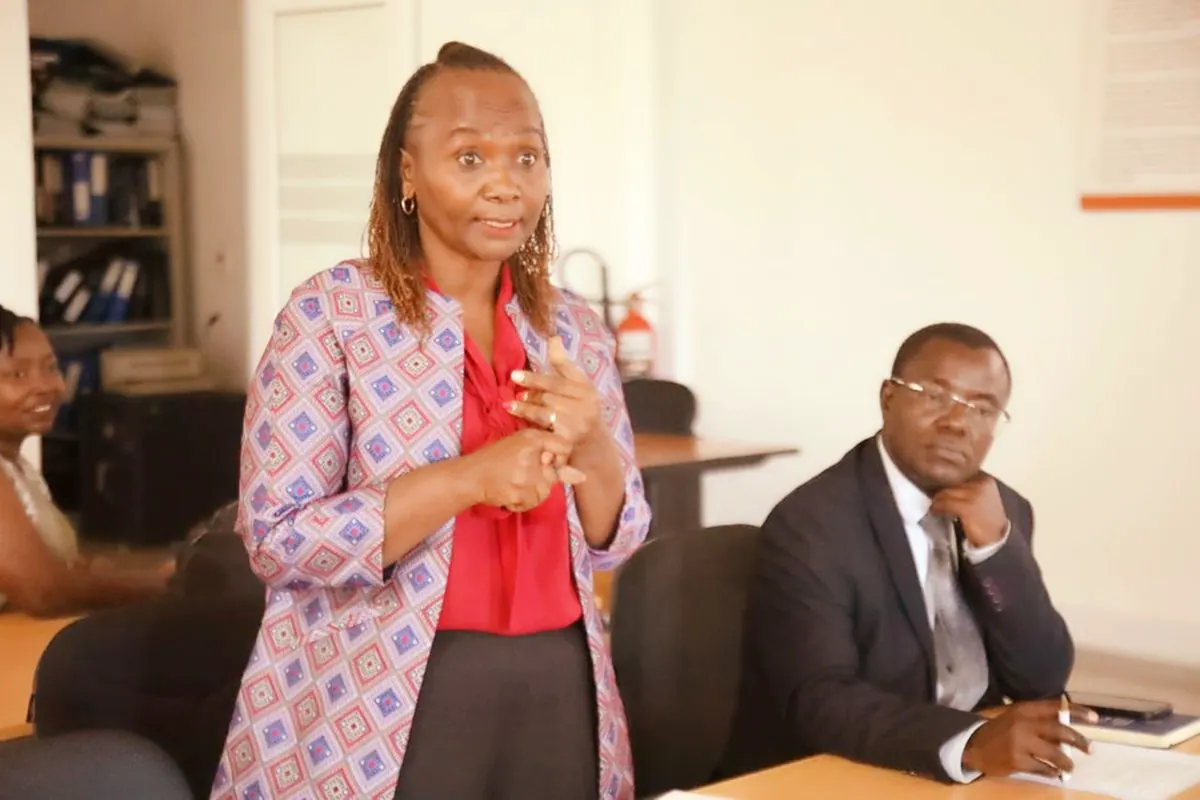
EGPAF Tanzania Resident Director Dr. Sajida Kimambo stated that the study was conducted to establish the resources required to support the Government's efforts to eliminate the three infections. The study estimates that $11.3 million would be needed for testing, treatment, and prevention, while another $4.32 million would support health facility capacity, monitoring, and community engagement.
Researchers estimate that the investment could avert $16.9 million in lifetime treatment costs for children who avoid infection, including $15.5 million linked to preventing 2,489 HIV infections. The study's findings can guide resource allocation, service delivery, and efforts to secure sustainable financing for the elimination targets.
The study recommends increasing HBsAg testing to 90 percent and TDF coverage among eligible pregnant women to 90 percent by 2030. It also proposes raising antiretroviral coverage among pregnant women living with HIV from 90.3 percent to 95 percent and viral suppression from 89.2 percent to 95 percent. EGPAF Senior Technical Advisor Dr. Catherine Nnko noted that Tanzania had incorporated the WHO elimination agenda into its national health strategies.
The study's recommendations aim to support Tanzania's efforts to eliminate mother-to-child transmission of HIV, syphilis, and hepatitis B by 2030. The investment required to achieve this goal is substantial, but the potential benefits in terms of lives saved and infections prevented make it a crucial step towards a healthier future for the country's children.
Key points
- Tanzania needs $15.6 million to prevent 5,054 new HIV, syphilis, and hepatitis B infections among children and save 1,946 lives between 2027 and 2030.