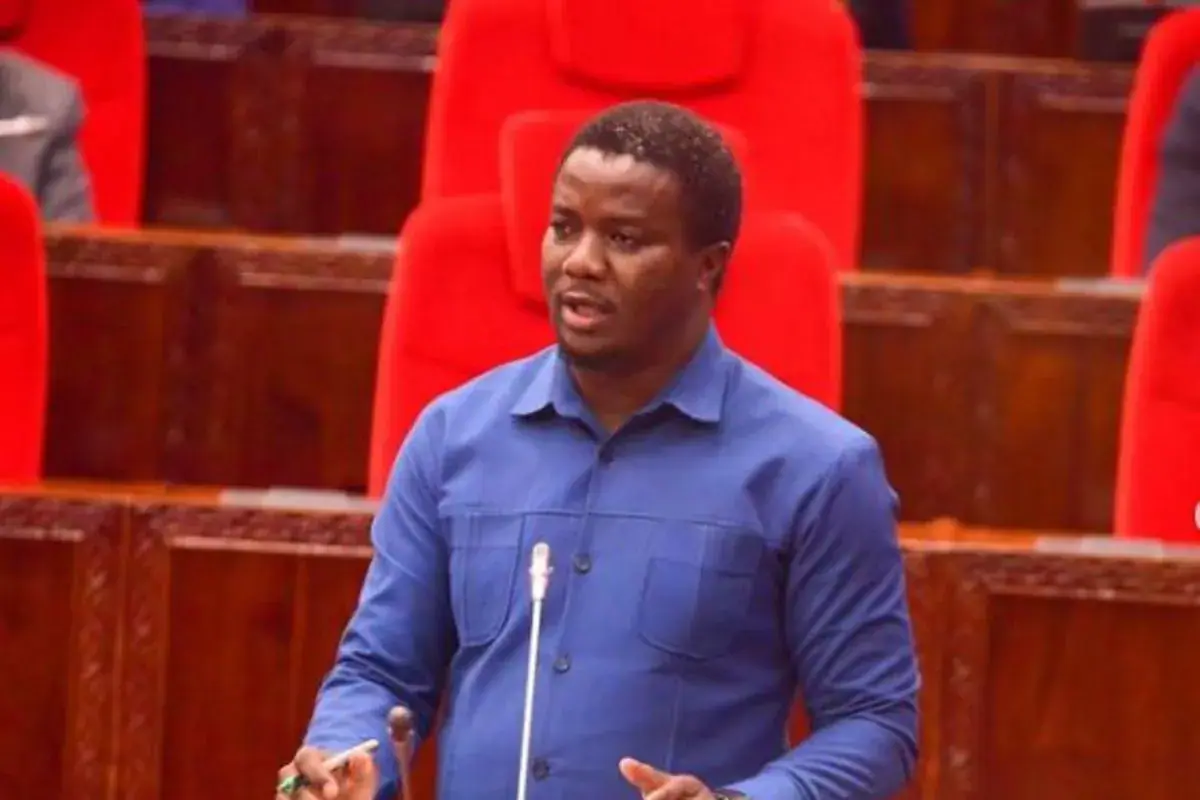
The Tanzanian government is under pressure to find alternative funding sources to settle outstanding cashew industry debts and end the Sh240 deduction from every kilogramme of cashews sold by farmers. This issue was raised in Parliament on October 29, 2026, during the Fifth Meeting of the 13th Parliament. Tandahimba MP Katani Katani challenged the Ministry of Agriculture to stop relying on farmers' contributions to meet financial obligations accumulated over previous seasons.
Katani Katani asked if the government could mobilize funds from other sources to clear debts relating to the 2021/22 and 2022/23 seasons, allowing farmers to retain a larger share of their earnings. The debate also raised questions about the management of money collected through the cashew export levy, particularly its use in settling historical debts.
Deputy Minister for Agriculture David Silinde responded that the government was willing to explore alternative funding arrangements but would first consult stakeholders in the cashew industry. He said the government and the Cashewnut Board of Tanzania (CBT) regularly engaged MPs from cashew-producing regions to review the use of collected funds and consider proposals to improve farmers' welfare.
Lulindi MP Issa Mchungahela had asked how much the board had collected from the export levy since its reinstatement and how the money had been spent. Mr Silinde said the board collected Sh363.27 billion in the 2024/25 and 2025/26 financial years, comprising Sh183.58 billion in the first year and Sh179.69 billion in the second.
According to Mr Silinde, by June 2026, Sh349.31 billion had been spent on paying suppliers of agricultural inputs distributed to farmers under the subsidy programme between the 2022/23 and 2025/26 seasons. A further Sh13.37 billion was spent on development projects, while Sh342.33 million was used to settle claims by farmers who had not received payment for their cashew sales during the 2017/18 season.
The affected farmers had been unable to recover their money following the liquidation of the former Covenant Bank. However, Mr Mchungahela questioned why money collected from the cashew industry was being used to settle obligations linked to a collapsed bank, arguing that farmers deserved greater clarity on how their contributions benefited them.
Mr Silinde said the government had directed the board to settle the affected farmers' claims to ease the losses they suffered following the bank's liquidation. The Sh240 deduction was among the mechanisms used to finance farmers' needs, including agricultural inputs. The government is now exploring alternative funding arrangements to support the cashew industry.
Key points
- The Tanzanian government faces pressure to end the Sh240 cashew levy deduction.
- The government collected Sh363.27 billion in cashew export levy in the 2024/25 and 2025/26 financial years.
- The funds collected were used to pay for agricultural inputs, development projects, and settle claims by farmers who had not received payment for their cashew sales.