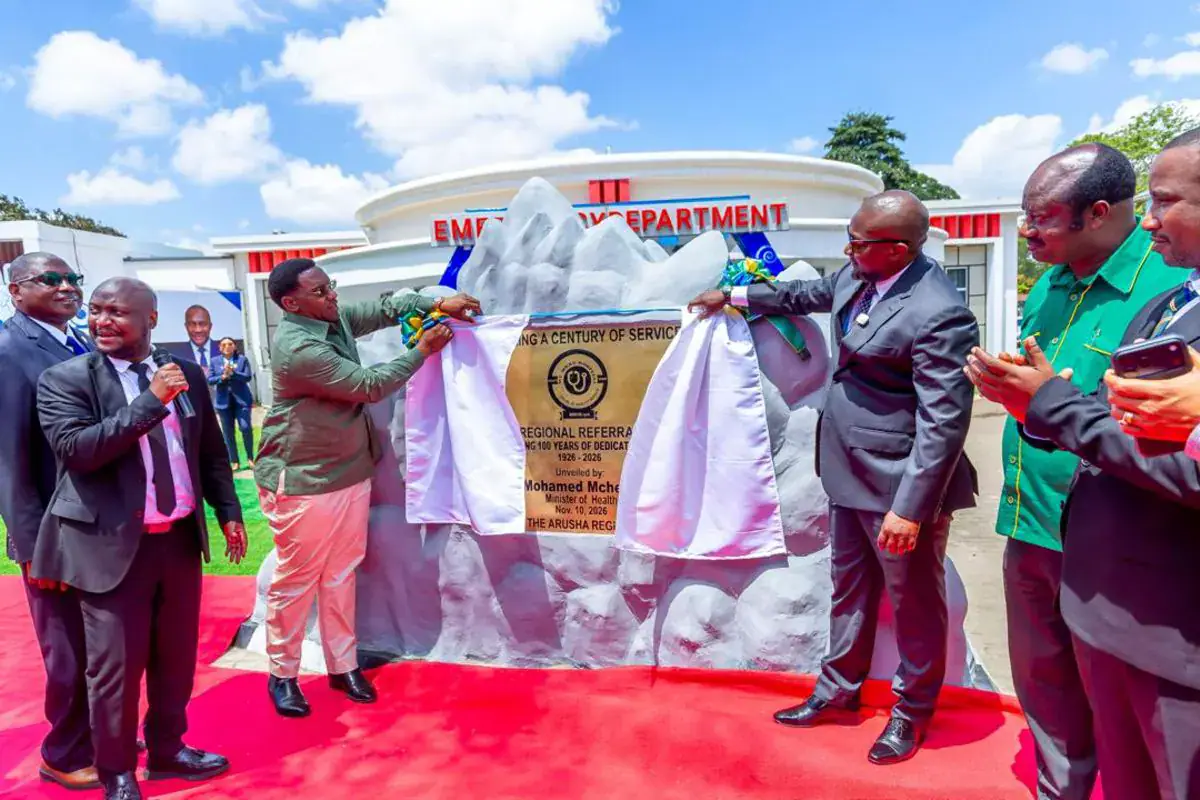
The Tanzanian government has introduced new national treatment guidelines and an essential medicines list to ensure patients receive consistent care across healthcare facilities. Health Minister Mohamed Mchengerwa launched the seventh edition of the Standard Treatment Guidelines and National Essential Medicines List (STG/NEML) 2026 in Arusha on November 10, 2026. This move aims to harmonize treatment practices, medicine procurement, and distribution, as well as reimbursement of healthcare services nationwide.
The new guidelines incorporate scientific evidence, contributions from healthcare professionals and stakeholders, patient safety considerations, and the costs of recommended medicines and services. According to Minister Mchengerwa, the guidelines will ensure patients receive appropriate treatment regardless of the facility they visit, while providing healthcare professionals with a reference for informed clinical decisions. The seventh edition reflects the country's commitment to evaluating its healthcare system through science and making necessary corrections.
Effective implementation of the guidelines will guide the Medical Stores Department (MSD) on medicines to procure and distribute, ensure safe treatment, and enable health insurance schemes to reimburse services recognized under the guidelines. Minister Mchengerwa directed healthcare facilities to use the guidelines when prescribing medicines and treating patients. The MSD will use the National Essential Medicines List to forecast demand and guide procurement and distribution, ensuring listed products remain available.
Medicine availability nationwide currently stands at 95 percent, with Minister Mchengerwa urging the MSD to improve this figure and address complaints about shortages. He emphasized that medicines included on the list should never be out of stock at health facilities. The National Health Insurance Fund (NHIF) will align reimbursements with treatments specified in the guidelines, ensuring services provided to patients are paid for according to established standards.
Mount Meru Regional Referral Hospital, which celebrated its centenary, is regarded by the government as a strategic gateway for medical tourism, attracting patients from neighboring countries for specialized and super-specialized care. Minister Mchengerwa urged the institution to strengthen research and publish findings to expand local medical knowledge. He also emphasized that revenue from medical tourism would help the hospital acquire modern equipment and technology, benefiting Tanzanians.
The hospital has made significant improvements since its elevation to referral status, including the introduction of cancer diagnosis and treatment services, a pathology unit, and enhanced emergency services. Over Sh5 billion has been allocated to improve infrastructure and buy modern medical equipment. Arusha Member of Parliament Paul Makonda announced plans to recruit 154 community health workers to promote uptake of Universal Health Insurance and encourage residents to enroll in and use the scheme.
The community health workers will be deployed across streets in Arusha City to link patients with major hospitals and encourage residents to enroll in Universal Health Insurance. Makonda's office will recruit the workers, making Arusha a leading example in promoting the scheme. The launch of the guidelines and the hospital's centenary celebrations highlight the government's efforts to improve healthcare services and promote medical tourism in Tanzania.
Key points
- The new guidelines aim to standardize healthcare quality nationwide.
- The essential medicines list will guide medicine procurement and distribution.
- The government plans to promote Universal Health Insurance through community health workers.