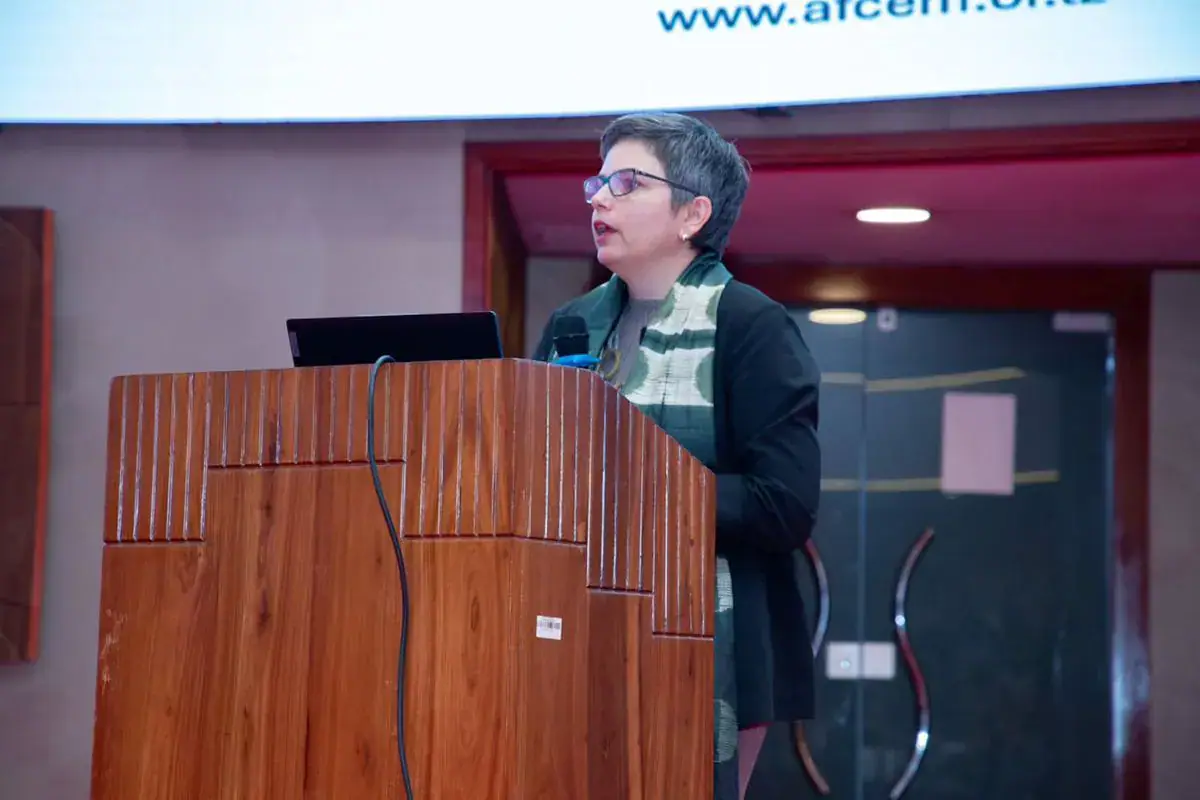
Tanzania has joined Ethiopia, Rwanda, and Uganda in a two-year initiative to improve emergency care services and reduce preventable deaths. The Acute Care Transformation through Basic Emergency Care (ACT-BEC) programme aims to strengthen the capacity of health facilities and hospitals to provide emergency care, particularly at lower levels of the health system. This initiative is a partnership between the World Health Organisation (WHO), the governments of the four countries, and the African Federation for Emergency Medicine (AFEM).
The programme was launched this year and will benefit Tanzania through 248 health facilities across 24 regions of Mainland Tanzania. These facilities comprise 187 health centres and 61 district hospitals, where healthcare workers will receive practical training in identifying and managing life-threatening conditions. The training will focus on injuries from road accidents, maternal emergencies, infectious diseases, and cardiovascular conditions.
According to the Ministry of Health's Director of Emergency and Disaster Services, Dr Erasto Sylvanus, the programme prioritizes community-level facilities because statistics show that approximately 80 percent of patients initially seek care at lower-level health facilities. Strengthening the capacity of healthcare workers in these facilities is critical to reducing preventable deaths. Dr Sylvanus added that successful implementation of the programme could help prevent up to 50 percent of hospital deaths if patients were identified early and received appropriate treatment without delay.
The initiative will also involve research to assess the effectiveness of the training approaches and their outcomes, helping to identify the best ways to extend emergency care services to more health facilities across the country. AFEM chief executive officer, Dr Lauren Lai King, said the programme seeks to strengthen emergency medical services and reduce preventable deaths in low- and middle-income countries, starting with the four African nations.
AFEM will support training, evaluation, and knowledge exchange among the countries to ensure emergency care services improve and remain sustainable even after the project's funding ends. The programme uses the Sustainable Skills and Simulation (S3) model, which enables healthcare workers to continue practising essential clinical skills and learning through digital platforms even after completing their initial training.
WHO's head of the clinical services and health systems unit in the department of integrated health services, Dr Teri Reynolds, emphasized that emergency care is a critical pillar of any health system but remains inadequately accessible in many parts of Africa. She noted that evidence from several countries in Africa and Asia shows that quality emergency care can save more than 80 percent of the lives of patients who need it.
Dr Reynolds urged African governments to prioritize emergency care and integrate it into national health plans and priorities to ensure it becomes a permanent component of their health systems. The ACT-BEC programme is an important step towards achieving this goal, and its success could have a significant impact on reducing preventable deaths in Tanzania and other participating countries.
Key points
- The programme aims to strengthen the capacity of 248 health facilities across 24 regions of Mainland Tanzania.
- The initiative could help prevent up to 50 percent of hospital deaths if patients are identified early and receive appropriate treatment without delay.
- The programme uses the Sustainable Skills and Simulation (S3) model to enable healthcare workers to continue practising essential clinical skills and learning through digital platforms.