The Tanzanian government has launched a five-year initiative to invest Sh216 billion in livestock vaccination and identification. This move aims to prevent diseases that threaten food security, household incomes, trade, and livelihoods. The campaign, launched by President Samia Suluhu Hassan in July 2025, reflects Tanzania's One Health approach, recognizing the interconnected health of people, animals, plants, and ecosystems. This approach goes beyond disease control, focusing on a broader health and development agenda.
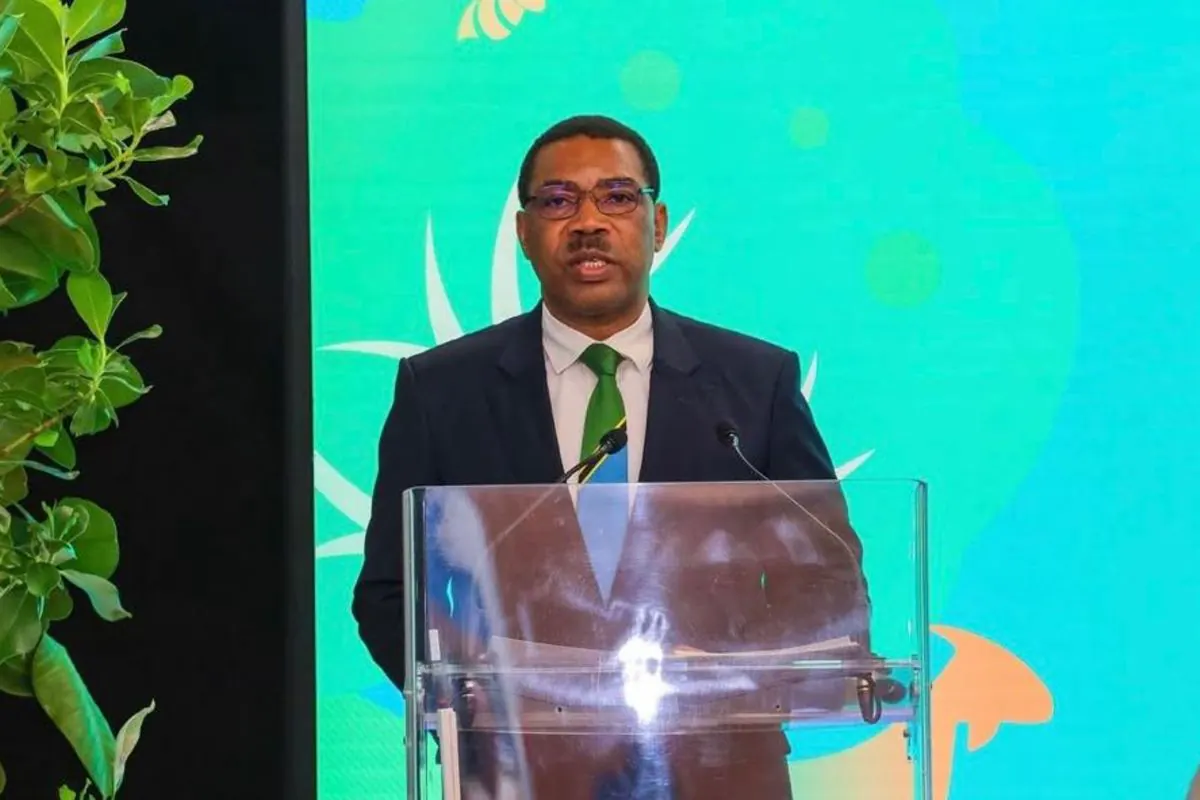
Prime Minister Dr. Mwigulu Nchemba stated that the investment is a call to action, emphasizing that One Health is not just a policy concept. In the 2025/26 financial year, the government committed and disbursed about $24 million, supporting the procurement of 76 million vaccine doses, 700 motorcycles, 4,500 tablets, and 36 million electronic ear tags. This allocation enabled the vaccination of 16.8 million sheep and goats against Peste des Petits Ruminants (PPR), a highly infectious disease affecting sheep and goats.
The PPR disease has a significant impact on food security, household income, trade, and livelihoods, particularly for livestock-keeping households dependent on sheep and goats. Dr. Nchemba cited the government's efforts to eradicate PPR, emphasizing that disease eradication requires more than vaccines. Effective disease prevention needs strong and collective systems, including surveillance, diagnostics, animal identification, capable veterinary services, cross-border cooperation, and predictable financing.
The Tanzanian government has allocated more than Sh30.8 billion for the second phase of the campaign in 2026/27. Dr. Nchemba expressed Tanzania's readiness to work with the Food and Agriculture Organisation (FAO), African countries, and other international partners to advance an approach promoting healthier people, animals, plants, and ecosystems. This collaboration aims to link agriculture with broader health and development priorities.
FAO Director-General Dr. Qu Dongyu commended Tanzania's approach, highlighting the need for integrated solutions across agrifood systems. He noted that pests and diseases destroy up to 40 percent of global crop production annually, at a cost of more than $220 billion. Dr. Qu also emphasized that 645 million people faced hunger in 2025, while 2.7 billion could not afford a healthy diet, underscoring the need for a One Health approach.
Dr. Qu urged countries to move beyond commitments and translate One Health into action at farms, communities, laboratories, markets, and cities. He stated that One Health is a farmer's agenda, a scientist's agenda, and a Minister's agenda, calling for greater cooperation among ministries responsible for agriculture, environment, finance, and health. This integrated approach aims to promote healthier people, animals, plants, and ecosystems.
The FAO Global Conference for Actions on One Health in Agrifood Systems, held in Rome, provided a platform for Tanzania to share its experience and commitment to the One Health approach. Dr. Nchemba and Dr. Qu emphasized the importance of collective action and cooperation to address the complex challenges facing agrifood systems, ensuring a healthier and more sustainable future for all.
Key points
- Tanzania invests Sh216 billion in livestock vaccination and identification over five years.
- The initiative aims to prevent diseases threatening food security, household incomes, trade, and livelihoods.
- Tanzania's One Health approach recognizes the interconnected health of people, animals, plants, and ecosystems.