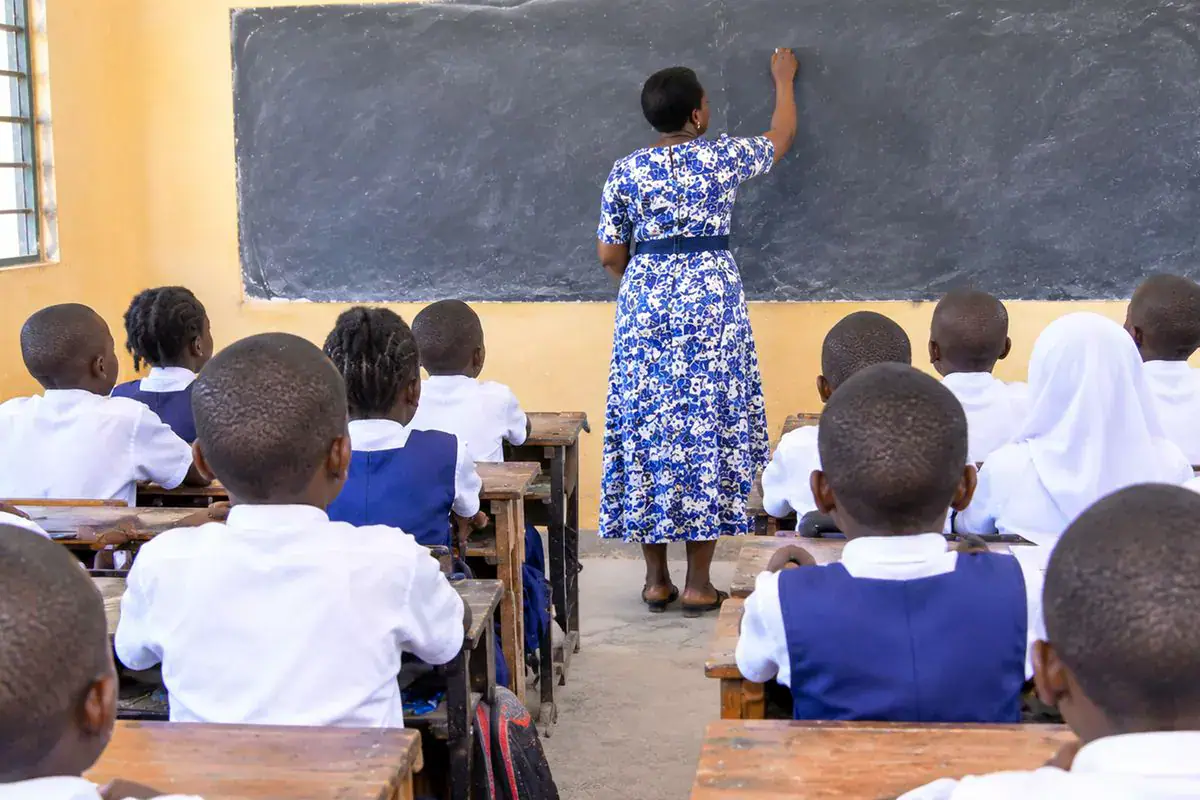
Tanzania is under renewed pressure to boost education funding, improve financial accountability, and ensure resources reach underserved schools. This comes after African education stakeholders adopted 13 action points seeking sustainable financing for the sector. The resolutions were adopted at the Sixth International Quality Education Conference (IQEC 2026) in Dar es Salaam, which brought together 510 participants from nine countries. The conference was held from November 11 to 13 under the theme Beyond Aid: Owning Our Future through Domestic Resource Mobilisation and Sustainable National Resilience.
The call for increased funding carries particular significance for Tanzania given the growing demands on public resources. The country's 2026/27 national budget stands at approximately Sh62.33 trillion, with 74.2 percent expected from domestic sources. The ministry of Education, Science and Technology has been allocated approximately Sh2.394 trillion. However, the challenge extends beyond raising money to ensuring that existing resources are sufficient, properly allocated, and spent effectively.
One of the most urgent tests for Tanzania will be the 2028 double cohort, when pupils completing Standard Six under the revised curriculum and those completing Standard Seven under the existing system are expected to join Form One simultaneously. Government estimates indicate that 3,021,177 learners will require secondary school places, with approximately Sh1.77 trillion needed for classrooms, laboratories, sanitation facilities, teachers, books, and other operational requirements.
The Prime Minister, Dr Mwigulu Nchemba, has stressed that increasing allocations must go hand in hand with effective spending. “Every shilling committed to education should contribute to better teaching, stronger learning outcomes and fairer opportunities,” he said during the conference’s opening. The resolutions therefore call on governments to develop cost national financing plans, strengthen domestic revenue collection, address tax revenue leakages, and integrate effective donor-supported programmes into national budgets.
Accountability is another central issue. The stakeholders want governments to publish accessible information on education budgets, expenditure, and results, strengthen procurement systems, and ensure funds reach schools on time. They have also called on parliamentarians, civil society organisations, communities, and the media to independently monitor education investments.
The implications extend to equity. The resolutions urge dedicated funding for girls, learners with disabilities, and children in marginalised communities, alongside investment in climate-resilient schools, digital infrastructure, teacher development, and responsible artificial intelligence. They further call for stronger links between education institutions and employers to expand practical training, technical and vocational skills, mentorship, and entrepreneurship opportunities for young people.
The government has identified domestic revenue mobilisation, equitable access, relevant skills development, and stronger partnerships as priorities. The Education Commissioner, Dr Lyabwene Mtahabwa, said the government viewed education as a strategic investment rather than merely a social service. “Every shilling allocated to education must benefit students, teachers, and educational institutions,” he said, underscoring the need for efficiency, transparency, and accountability.
Key points
- The 2026/27 national budget for Tanzania stands at approximately Sh62.33 trillion.
- The country faces an unprecedented increase in secondary school enrolment in 2028.
- The resolutions call for a follow-up framework with clear responsibilities, financing requirements, and measurable milestones.