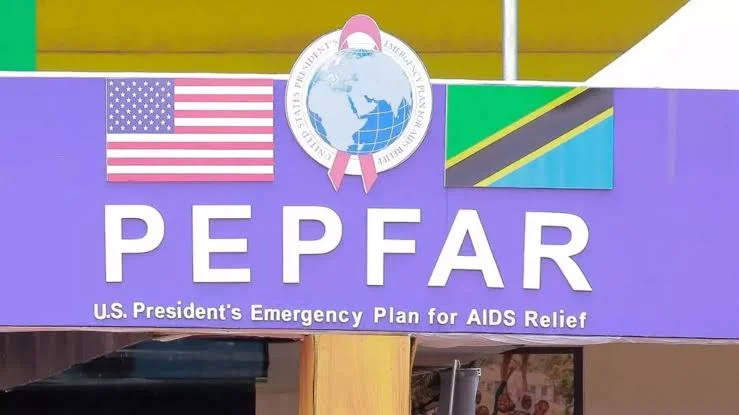
For years, the US President's Emergency Plan for AIDS Relief (PEPFAR) has been a crucial component in Tanzania's response to HIV, providing treatment, prevention, laboratory services, social programs, information systems, and healthcare workers. This partnership has enabled Tanzania to expand access to life-saving services, but changes in US funding have raised questions about the country's ability to sustain these services using its own resources. The concern is not about the benefits PEPFAR has brought, but whether this investment has built lasting national capacity or left some services dependent on external funding.
The vulnerability of Tanzania's healthcare system became apparent in 2025 when some US funding was halted or disrupted. According to UNAIDS, this led to the near-total collapse of HIV prevention services fully funded by PEPFAR, including programs targeting young girls and women at risk, orphans, and circumcision initiatives. Other prevention services, such as PrEP for high-risk groups, were also affected. The impact was not limited to prevention services; UNAIDS expressed concerns about potential disruptions to treatment, with patients hoarding antiretroviral drugs and laboratory sample transportation being compromised.
The situation has highlighted the challenges of healthcare systems reliant on external funding. While foreign aid can rapidly expand essential services, if salaries, technical expertise, information systems, laboratory services, transportation, and social networks continue to depend on external funding, a country may struggle when this funding changes priorities. A 2026 World Bank assessment underscored the magnitude of this challenge in Tanzania's broader healthcare financing landscape. The bank noted that Tanzania heavily relies on international aid, with US and Global Fund financing accounting for nearly two-thirds of external health assistance.
The International Monetary Fund (IMF) has also emphasized the potential impact, identifying that over 20,000 workers were directly or indirectly employed through USAID-supported programs, with another 30,000 healthcare workers receiving support for additional activities outside their regular duties. This challenge is not unique to Tanzania; Kenya, Uganda, and Zambia have faced similar issues. In Kenya, a 2026 analysis found that external health funding decreased significantly following the withdrawal of US aid and reduced government funding.
The experiences of Tanzania, Kenya, Uganda, and Zambia reveal a common trend: while donor funding can substantially expand essential health services, sudden changes in external financing can expose weaknesses in domestic financing, workforce capacity, and institutional capabilities. Tanzania has begun taking steps to address some of these challenges. According to UNAIDS, the government has been working to integrate healthcare workers into its system, strengthen its electronic Care and Treatment Centre system, and ensure the supply of health products through the Medical Stores Department.
The Tanzanian government has also taken steps to increase domestic funding for healthcare. The World Bank reported that Tanzania introduced seven new revenue measures expected to collect up to TSH 586 billion, with 70% allocated to the HIV Fund and 30% to the Universal Health Insurance Fund for vulnerable populations. However, the World Bank cautioned that actual collections may fall short of projections and noted that funds allocated for specific sectors have not always been fully disbursed to intended areas.
In July 2026, Tanzania and the US signed a new five-year health agreement, with over $1.3 billion in US investment and Tanzania committing to use $1.8 billion of its resources in the health sector during this period. This new agreement places greater emphasis on strengthening Tanzania's ability to finance, manage, and sustain essential health services. The focus should now shift from whether Tanzania needs external health assistance to whether this assistance is being converted into lasting national capacity.
Key points
- Tanzania's healthcare system faces a sustainability challenge due to declining foreign funding.
- The country is taking steps to address these challenges, including increasing domestic funding and integrating healthcare workers into its system.
- The new health agreement between Tanzania and the US aims to strengthen Tanzania's ability to finance and sustain essential health services.