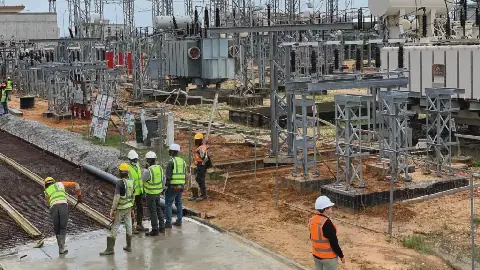
Tanzania is seeking to attract both domestic and foreign capital to tap into global investment opportunities in the energy sector. Energy Minister Dr Juma Homera made the statement at the 2026 Abu Dhabi International Petroleum Exhibition and Conference (ADIPEC) in the United Arab Emirates (UAE). Dr Homera highlighted that energy security has become a global priority amid supply chain disruptions caused by geopolitical conflicts. This has created an opportunity for Tanzania to showcase its investment potential.
The country offers significant investment opportunities, with approximately 57.54 trillion cubic feet of natural gas resources that can be developed through Liquefied Natural Gas (LNG) and Mini-LNG projects. Other opportunities include power generation projects such as the 2,115-megawatt Julius Nyerere Hydropower Project and the 150MW Kishapu Solar Power Project. Additionally, Tanzania has potential for wind energy development in Singida Region and geothermal resources in Mbeya and Songwe regions. These projects can help meet the country's growing energy demands.
Dr Homera further stated that Tanzania’s strategic geographical location gives it the potential to become a regional energy trading hub through electricity markets in East and Southern Africa. The country's location allows it to connect with neighbouring countries and export energy, generating revenue and promoting economic growth. This strategic advantage can be leveraged to attract investors and promote energy trade in the region.
To attract international capital, Dr Homera stressed the importance of predictable policies, strong legal frameworks, reduced bureaucratic procedures, and the preparation of well-researched investment projects. This will enhance the country’s competitiveness in attracting international capital. A stable and transparent investment environment is crucial for attracting investors and promoting economic growth.
The government, under President Samia Suluhu Hassan’s leadership, is implementing the National Energy Compact, which seeks to mobilise approximately 4.039bn US dollars in private sector investment. The compact focuses on investment in renewable energy, strengthening electricity transmission infrastructure, and promoting Public-Private Partnerships (PPPs). This initiative aims to transform Tanzania's energy sector and promote sustainable economic growth.
Key priorities under the National Energy Compact include investment in renewable energy sources, such as solar and wind power, and strengthening electricity transmission infrastructure. The government is also promoting PPPs to leverage private sector expertise and capital. These initiatives will help Tanzania achieve its energy goals and promote sustainable economic growth.
Implementing these strategies will enable Tanzania to transform its energy resources into economically viable projects, attract international investors, and strengthen its position in the global energy market. Dr Homera's participation in the 2026 ADIPEC conference is a significant step towards achieving these goals. The conference provides a platform for Tanzania to showcase its investment opportunities and attract potential investors.
Key points
- Tanzania has approximately 57.54 trillion cubic feet of natural gas resources that can be developed through Liquefied Natural Gas (LNG) and Mini-LNG projects.
- The government is implementing the National Energy Compact, which seeks to mobilise approximately 4.039bn US dollars in private sector investment.
- Tanzania aims to become a regional energy trading hub through electricity markets in East and Southern Africa.