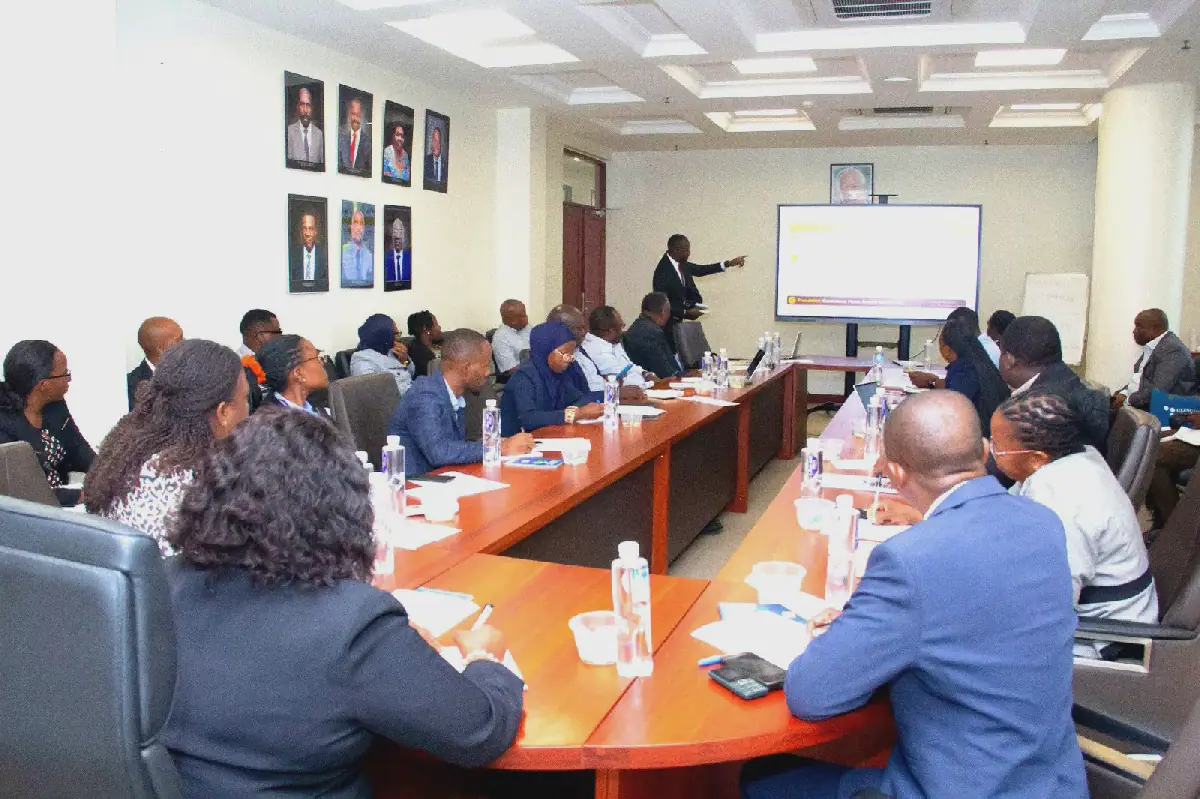
The Tanzanian Ministry of Works has stressed the importance of utilizing a technolocal data system for its infrastructural projects. This call was made by the Ministry's Monitoring and Evaluation Unit Director, Veila Shoo, during the closing of a meeting for directors and monitoring and evaluation managers in Dodoma. The meeting aimed to enhance data collection and analysis systems for effective project implementation and monitoring.
According to Director Shoo, access to accurate data and quality information is crucial for informed decision-making, monitoring public fund usage, and assessing project outcomes in the construction sector. She emphasized that achieving Vision 2050 requires accurate data, and it is the responsibility of the ministry to ensure that every shilling spent on construction is monitored and delivers tangible results for citizens.
The meeting brought together experts from various institutions under the Ministry of Works, including TANROADS, TBA, TEMESA, ERB, and CRB. Other participating institutions included AQRB, RFB, NCC, CSWS, and ICoT. These experts discussed key topics such as the construction sector's role in implementing the National Development Vision 2050, management of national plans, and the state of monitoring and evaluation in the sector.
Participants were urged to prioritize the planning and implementation of strategic infrastructure projects, including roads and modern buildings, in line with the country's long-term development goals. This emphasis on data-driven decision-making and project monitoring is expected to strengthen resource allocation and ensure that public funds are utilized effectively.
The Ministry of Works' Monitoring and Evaluation Unit plays a critical role in overseeing the implementation of development projects. By improving data collection and analysis systems, the ministry aims to enhance transparency and accountability in the construction sector. This move is also expected to contribute to the country's economic growth and development.
The use of local data systems is seen as a way to reduce reliance on external data sources and promote self-sufficiency in data management. This approach is also expected to enhance the ministry's capacity to monitor and evaluate project outcomes, ultimately leading to better decision-making and resource allocation.
The Tanzanian government's emphasis on data-driven decision-making is a key aspect of its development strategy. By prioritizing accurate data and quality information, the government aims to ensure that its infrastructural projects are implemented effectively and deliver tangible benefits to citizens.
Key points
- The Ministry of Works is pushing for improved data collection and analysis systems to ensure effective implementation of development projects.