The Tanzanian government has pledged to increase domestic funding for family planning commodities by at least 10 per cent annually. This commitment was announced during the commemoration of World Contraception Day in Dar es Salaam. The move aims to strengthen reproductive health services and support the implementation of Dira 2050, a national development plan.
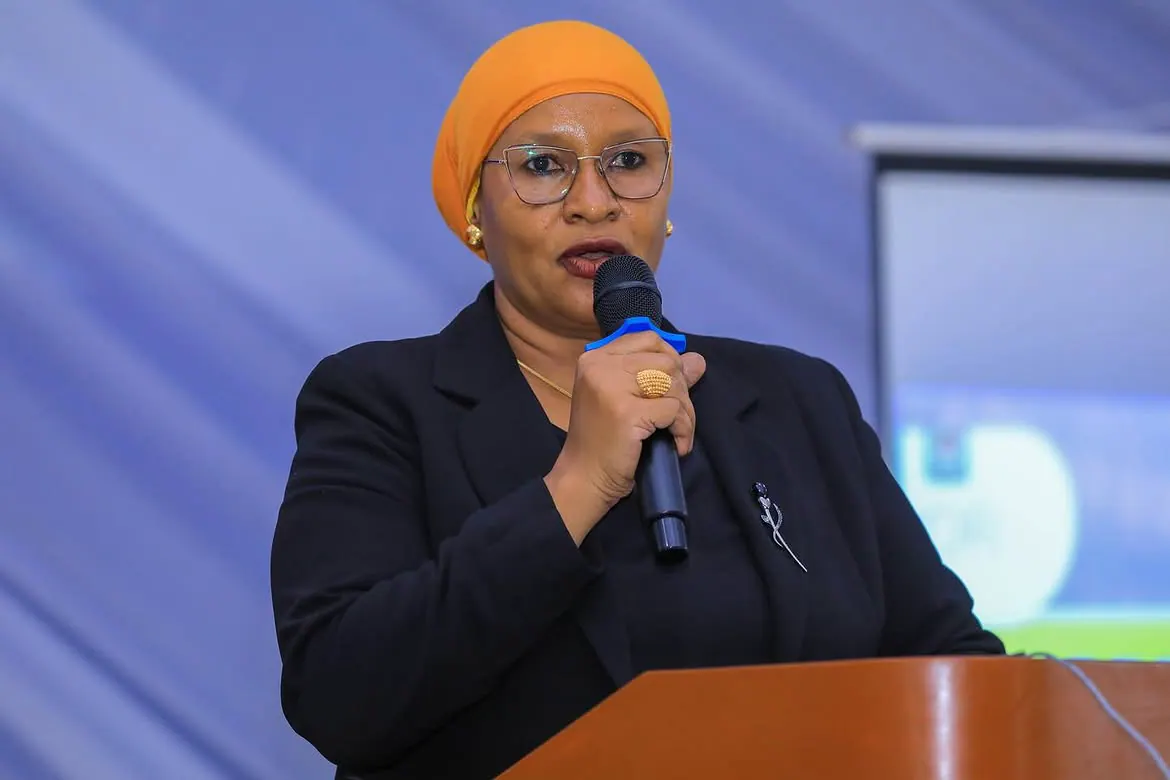
Family planning is considered a key investment in people's health, family welfare, and national development. It enables families to make informed decisions about the number of children they have and the spacing between births. According to Ms Ziada Sela, Director of Nursing and Midwifery Services in the Ministry of Health, family planning helps reduce health risks associated with pregnancy.
Tanzania's Family Planning 2030 commitment provides a foundation for strengthening sustainable domestic financing for family planning. The commitment includes increasing domestic resources for family planning commodities by at least 10 per cent every year and ensuring allocated funds are fully disbursed. This initiative is expected to accelerate progress towards the Sustainable Development Goals, particularly Goal Three on good health and wellbeing.
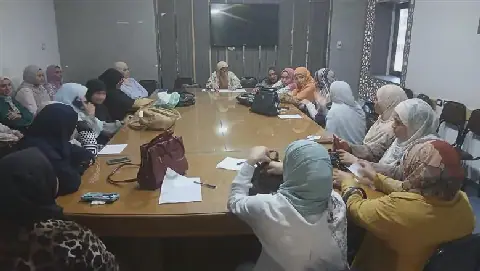
The event, which marked World Contraception Day, brought together government leaders, development partners, civil society organisations, private sector representatives, professional associations, and young people. The day is observed globally every year on September 26 to raise awareness about contraception and enable people, particularly young people, to make informed choices about their sexual and reproductive health.
Deputy Representative of the United Nations Population Fund (UNFPA), Ms Melissa McNeil-Barrett, emphasised that family planning should not be viewed solely through the availability of contraceptive products. She said it is also about ensuring people have accurate information, can access reliable services, and are free to make informed decisions about their reproductive health.
Ms McNeil-Barrett commended Tanzania for strengthening leadership and increasing domestic investment in reproductive health services. She noted that sustained commitment would help expand access for women, young people, and communities across the country. The UNFPA representative highlighted the importance of family planning in investing in the country's human capital and long-term development.
Dira 2050 seeks to build a prosperous, self-reliant, and high-income nation by investing in quality healthcare, human capital development, and universal access to essential health services. A healthy population is recognised as a foundation for productivity and economic transformation. This year's global campaign for World Contraception Day is themed "A Choice for All – Agency, Intention, Access," highlighting the need to expand access to accurate information and quality family planning services.
Key points
- Tanzania to increase domestic funding for family planning commodities by 10pc annually.
- Family planning is key to reducing health risks associated with pregnancy and achieving Sustainable Development Goals.
- World Contraception Day aims to raise awareness about contraception and enable informed choices about sexual and reproductive health.