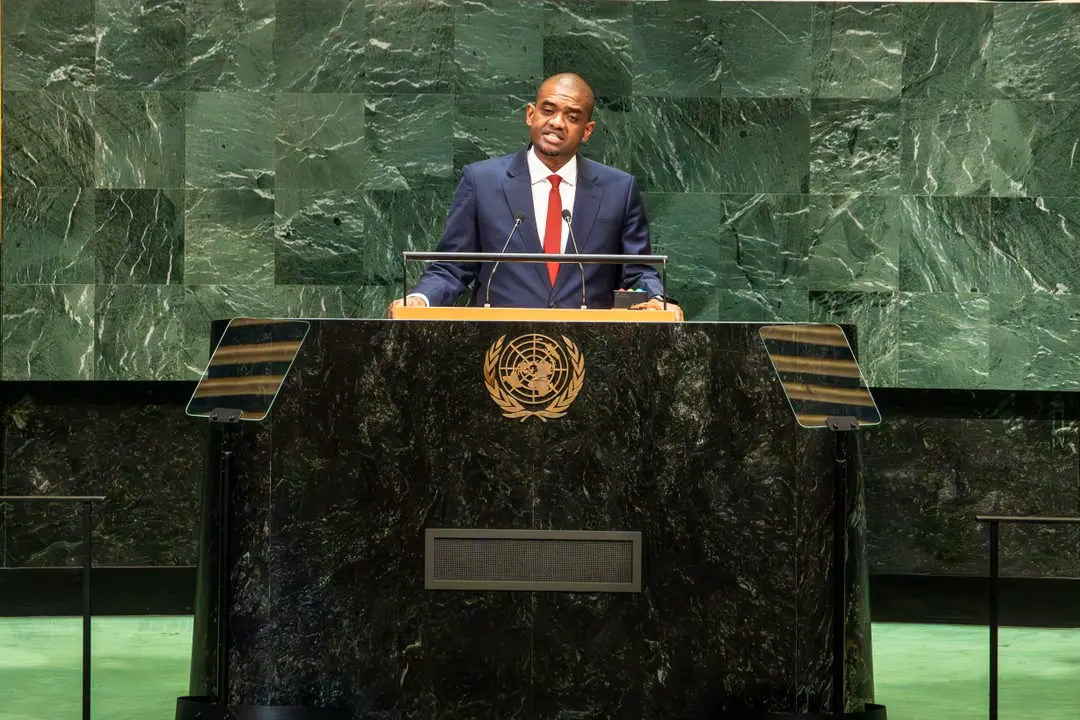
Tanzania's Vice-President Deogratius Ndejembi has called for significant reforms in the international financial system. He emphasized the need for developing countries to have greater access to affordable financing and a stronger voice in global decisions affecting their economic development. This call was made during the 81st Session of the United Nations General Assembly in New York. Tanzania's push for reforms aims to enable developing countries to accelerate their development goals.
Tanzania is advocating for increased concessional financing, greater private-sector investment, and easier access to development and climate finance. The country's National Development Vision 2050 provides a framework for building an inclusive, competitive, and resilient economy. This vision focuses on investment in people, productive infrastructure, technology, innovation, women, and youth. By achieving these goals, Tanzania aims to create a robust economic foundation.
Developing countries should have greater representation in international financial institutions and decision-making processes. This would allow them to shape their economic future and have a stronger say in global decisions affecting their development. Vice-President Ndejembi stressed the importance of this representation. He also raised concerns about the gap between global greenhouse-gas emissions and the financing available to countries facing climate change impacts.
Countries responsible for the largest share of greenhouse-gas emissions should take greater responsibility for financing measures to address climate-related impacts. Vice-President Ndejembi emphasized this point during the UN General Assembly. Tanzania is taking steps towards a cleaner energy future, including the 2,115-megawatt Julius Nyerere Hydropower Project. The country is also investing in solar and wind projects with a combined capacity of 650 megawatts.
Tanzania plans to generate 130 megawatts from geothermal energy and has invested in electric railways. This is part of the country's transition towards cleaner transport and energy systems. The goal is to provide access to clean cooking energy for 80 per cent of households by 2034. This initiative aims to reduce the country's carbon footprint and promote sustainable development.
Greater international support and fairer access to financial resources are critical for developing countries. They need to implement climate action while pursuing inclusive and sustainable economic growth. Vice-President Ndejembi highlighted the importance of international cooperation in addressing climate change. He also emphasized the need for countries to work together to achieve common goals.
Tanzania's call for reforms in the global financial system is part of its bid for a UN Security Council seat. The country aims to champion Africa's voice and promote the interests of developing nations. By advocating for reforms, Tanzania seeks to create a more equitable and sustainable global economic environment. This would enable developing countries to achieve their development goals and address climate change.
Key points
- Tanzania calls for reforms in global finance to help developing nations access affordable financing.
- The country advocates for greater representation in international financial institutions and decision-making processes.
- Tanzania aims to provide access to clean cooking energy for 80 per cent of households by 2034.