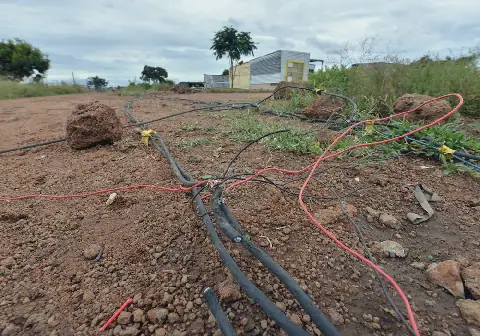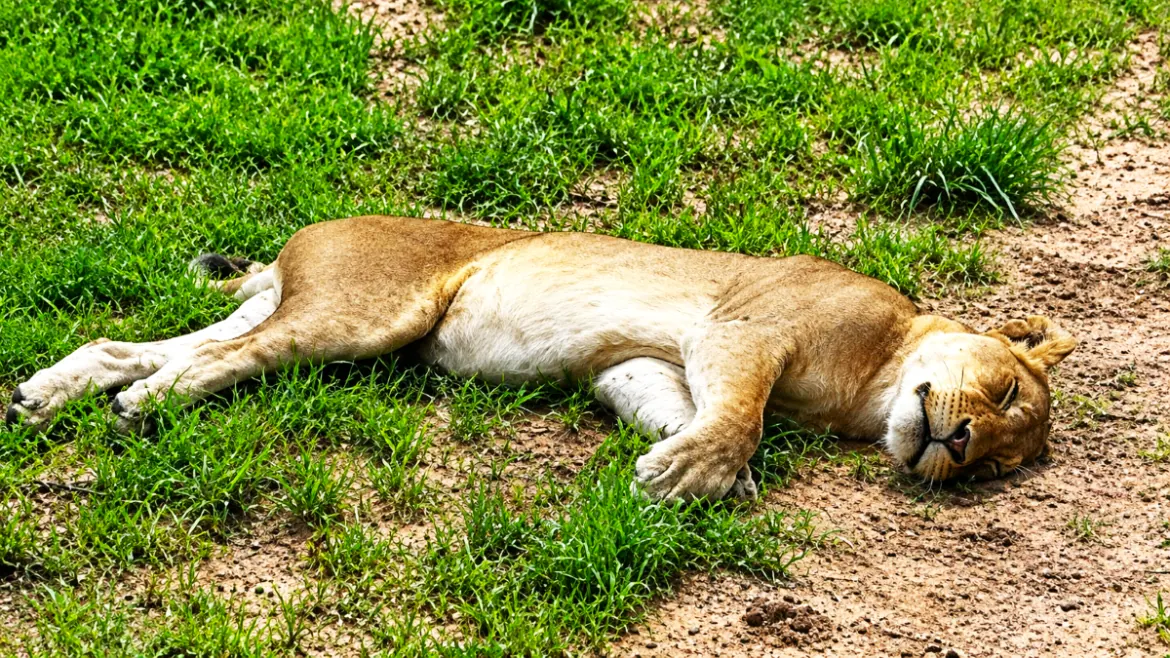
Tanzanian conservators have incinerated the carcasses of 10 lions that died under mysterious circumstances in the Ngorongoro Conservation Area. The lions were found dead on September 19, 2026, in the Lake Ndutu plains of Ngorongoro. Wildlife veterinarians deemed it necessary to burn the carcasses to prevent the spread of the unknown cause of death to other wildlife species. The exact cause of the lions' deaths remains unknown, with speculations of poisoning or disease dismissed.
The Ngorongoro Conservation Area Authority (NCAA) reported that investigations are underway, with samples from the lion carcasses sent to the Chief Government Chemist for testing. An official statement from the NCAA confirmed that the ultimate report from the Chief Government Chemist will provide answers. The area has a significant lion population, with around 64 lions residing in the crater, where over 25,000 large animals, mostly ungulates, live.
Some speculated that the lions might have been poisoned in retaliation for attacking livestock, following reports of donkeys belonging to the Maasai being killed by wild beasts a week prior. However, this theory has not been confirmed. The incident has drawn comparisons to a similar mysterious disease that occurred in Ngorongoro 25 years ago, which killed over 500 wildlife species.
In 2000-2001, a strange disease was reported in the Ngorongoro Conservation Area, killing hundreds of animals. A team of 11 researchers from the US, Kenya, and South Africa studied the disease, which had attacked 323 buffaloes, 193 wildebeests, 69 zebras, seven rhinos, six lions, and four hippos between May 2000 and March 2001. The cause of the disease was suspected to be Babesiosis.
The disease caused breathing problems due to a lack of sufficient red cells, which supply oxygen in animals. A similar disease, Canine Distemper, killed over 2,000 lions in the Serengeti National Park in 1994. Former Conservator Emmanuel Chausi stated that severe drought might have contributed to the deaths of buffaloes, zebras, and antelopes in the crater.
The Ngorongoro Conservation Area is a unique protected site where nomadic livestock-grazing pastoralists of Maasai coexist with wildlife. The area has a strong lion and cheetah population, particularly in the Ndutu Lake area. The lions in the Ngorongoro Highlands often move between the conservation area and the adjacent Serengeti plains.
The NCAA has assured that investigations are ongoing to determine the cause of the lions' deaths. The conservation area is working to ensure that the incident does not have a significant impact on the wildlife population.
Key points
- The cause of death of the 10 lions remains unknown.
- The incident has drawn comparisons to a similar mysterious disease in Ngorongoro 25 years ago.
- The Ngorongoro Conservation Area is working to determine the cause of the lions' deaths.