The Tanzanian government, led by President Samia Suluhu Hassan, has prioritized education funding to drive national development and equip the workforce with necessary skills. One year into her current term, efforts to strengthen student financing remain central to her administration's commitment to expanding access to education. This move has particularly benefited young people from financially disadvantaged families, enabling them to pursue academic ambitions despite financial constraints.
The government has increased funding for the Higher Education Students' Loans Board (HESLB), expanded eligibility to include diploma students, and strengthened special scholarship programs. In the 2025/2026 academic year, the government allocated 916.7 billion Tanzanian shillings for student loans and grants, supporting 289,932 students at various higher education institutions. This was followed by a 15.6% increase in the 2026/2027 academic year, with 1.06 trillion shillings allocated for loans and grants to support at least 300,000 students.
HESLB reported that the increase is part of the government's strategy to widen access to higher and middle-level education while improving service delivery systems and sustainability of the student loans fund. In the 2026/2027 academic year, HESLB awarded financial support to 165,775 students, amounting to 535.7 billion shillings. The beneficiaries include new and continuing undergraduate and diploma students, as well as recipients of the Samia Scholarship program.
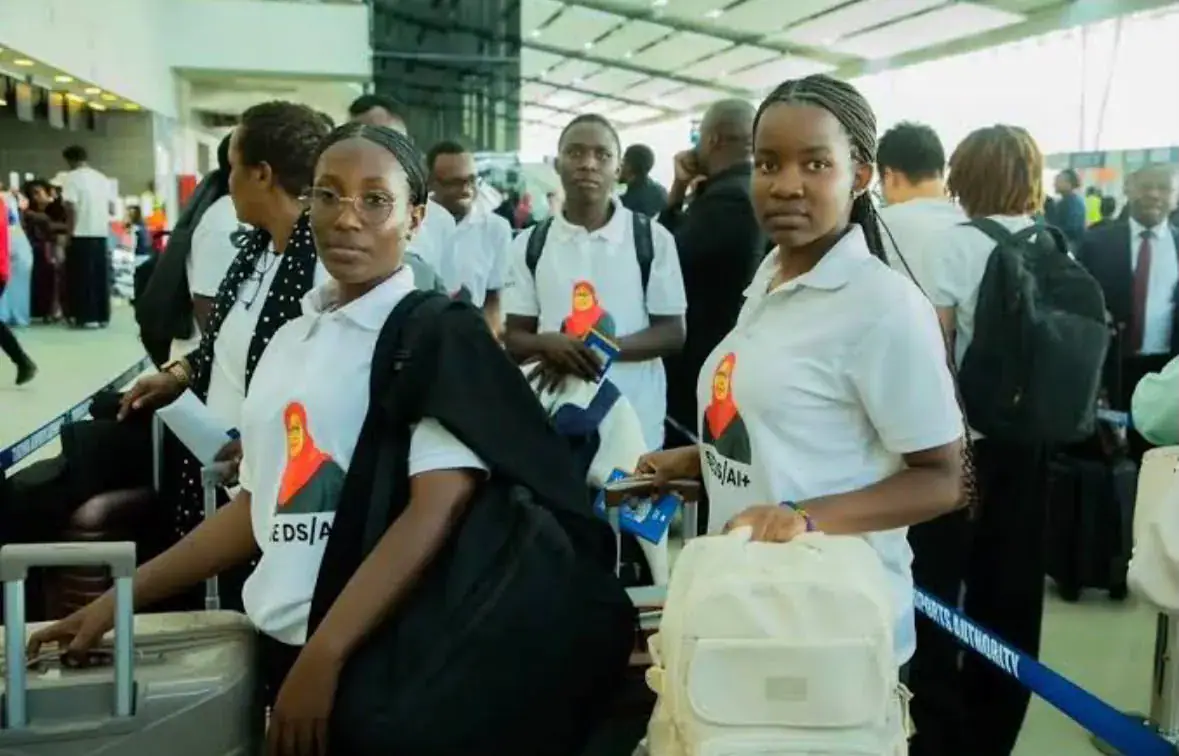
The Samia Scholarship program, introduced in the 2022/2023 academic year, supports academically outstanding students, particularly those pursuing Science, Technology, Engineering, and Mathematics (STEM) disciplines. For the 2026/2027 academic year, the government plans to support 2,738 students through the program, including 1,000 new beneficiaries. This initiative aims to increase the number of professionals in fields associated with technological transformation and modern economy demands.
The inclusion of diploma students in the HESLB financing system, starting from the 2023/2024 academic year, has been crucial in providing young people with professional and practical skills. For the 2026/2027 academic year, the government plans to support 24,978 diploma students pursuing priority fields, including 14,000 new students. This expansion recognizes the importance of professional and technical training in building a productive economy and creating opportunities for young people.
HESLB has also formalized partnerships with various institutions to increase sources of educational funding, including a partnership with the Bank of Tanzania to finance postgraduate studies through the Mwalimu Julius Nyerere Memorial Master's Degree Scholarship. Additionally, HESLB has partnered with the Ngorongoro Conservation Area Authority to support students from conservation areas pursuing courses related to conservation.
The expansion of student loans and grants aligns with the objectives of the National Development Vision 2050, which emphasizes building a high-quality, inclusive education and training system. The Vision aims to ensure that at least 25% of Tanzanians attain higher education by 2050. These initiatives demonstrate the government's commitment to investing in education and equipping young people with the skills needed to participate effectively in economic and social activities.
Key points
- The Tanzanian government has increased funding for student loans and scholarships to support at least 300,000 students in the 2026/2027 academic year.
- The government has expanded eligibility for student loans to include diploma students, supporting 24,978 diploma students in priority fields.
- The Samia Scholarship program will support 2,738 students in the 2026/2027 academic year, focusing on STEM disciplines.