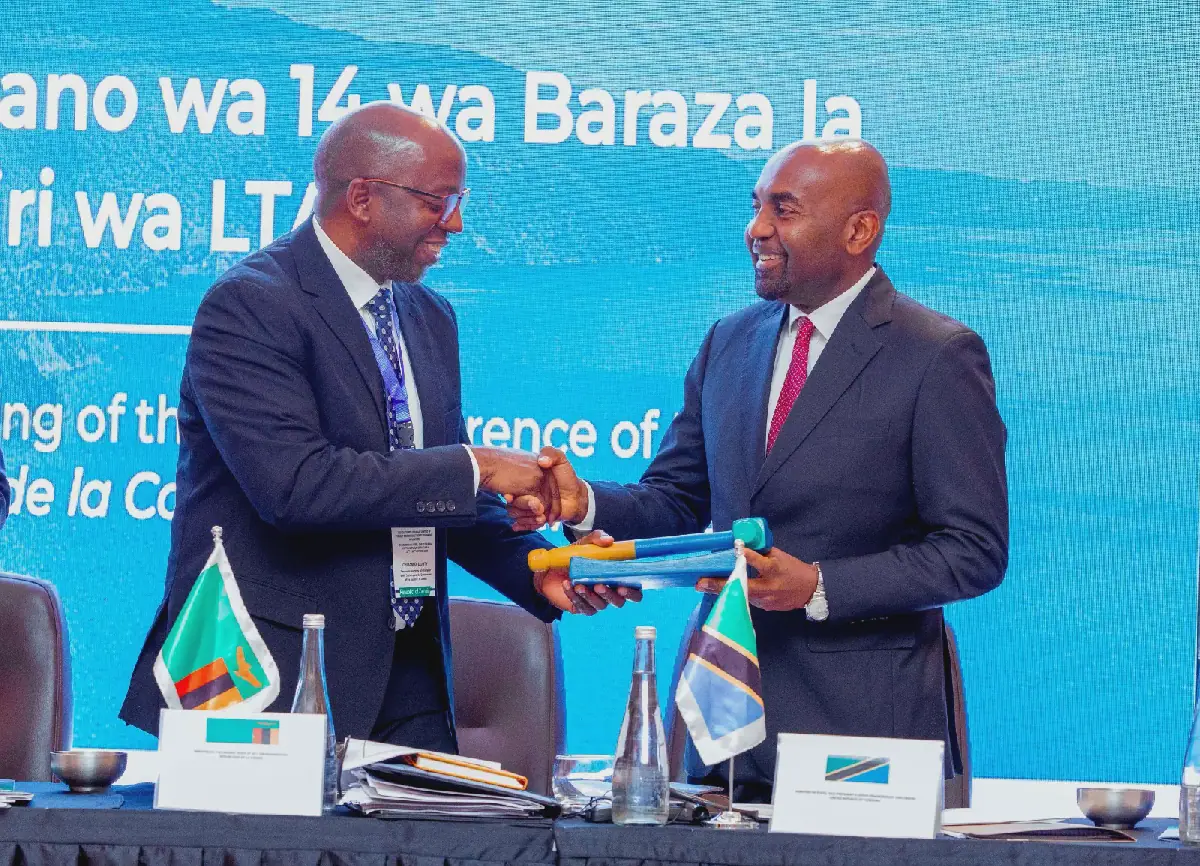
Tanzania has assumed the chairmanship of the Lake Tanganyika Authority (LTA) Council of Ministers, with Minister of State in the Vice-President's Office, Hamad Yussuf Masauni, receiving the role from Zambia during the 14th LTA Council of Ministers meeting in Dar es Salaam on October 30, 2026. Masauni has pledged to strengthen regional cooperation and joint efforts to protect the lake's ecosystem and promote sustainable use of its resources. The lake is a shared natural heritage of immense ecological, economic, and social importance.
Lake Tanganyika is shared by four countries: Burundi, the Democratic Republic of Congo (DRC), Tanzania, and Zambia. Masauni emphasized the need for coordination among these countries to address environmental threats and improve the livelihoods of communities depending on the lake's resources. He described the lake as providing food, employment, and income while supporting biodiversity of international significance. The lake's resources play a critical role in the lives of millions of people.
During Tanzania's tenure, priorities will include strengthening regional cooperation, promoting integrated management of the lake and its basin, and addressing pollution, unsustainable fishing, land degradation, and the effects of climate change. Masauni also highlighted the need for sustainable financing to implement the authority's programs and projects. He called on member states to meet their financial obligations and on development partners to provide continued financial, technical, and technological support.
Additionally, Tanzania will support initiatives promoting sustainable fishing, improving sanitation services, preventing water pollution, and increasing the participation of women, young people, and lakeside communities in development activities. Masauni stated that protecting Lake Tanganyika requires collective responsibility and that no single country can successfully conserve the shared water body acting alone. The lake's conservation is a regional obligation and a critical investment in the livelihoods and future of millions of people.
Zambia's Permanent Secretary in the Ministry of Blue Economy and Environment, Dr. Douty Chibamba, emphasized that the authority's success should be measured by tangible results in protecting the lake, improving people's livelihoods, and advancing regional development. He stressed the importance of translating ministerial resolutions into action through clear allocation of responsibilities, adequate resources, and effective monitoring and evaluation systems for programs and projects.
Lake Tanganyika Authority Executive Director, Dr. Emma Liwenga, noted that environmental conservation should go hand in hand with improving the livelihoods of communities and strengthening the economies of countries surrounding the lake. She stated that protecting the lake is not merely an environmental responsibility but also a development priority. The lake's conservation is critical for the livelihoods and future of millions of people depending on its resources.
The LTA Council of Ministers meeting brought together representatives from the four countries sharing Lake Tanganyika. The meeting provided a platform for discussing the lake's conservation and management. Key discussions focused on promoting sustainable use of the lake's resources and addressing environmental challenges facing the lake. The meeting concluded with a commitment to work together to protect the lake and improve the livelihoods of communities depending on it.
Key points
- Tanzania assumes LTA chairmanship, pledging to protect Lake Tanganyika's ecosystem.
- Strengthening regional cooperation and addressing environmental threats are key priorities.
- Protecting Lake Tanganyika requires collective responsibility from the four countries sharing the lake.