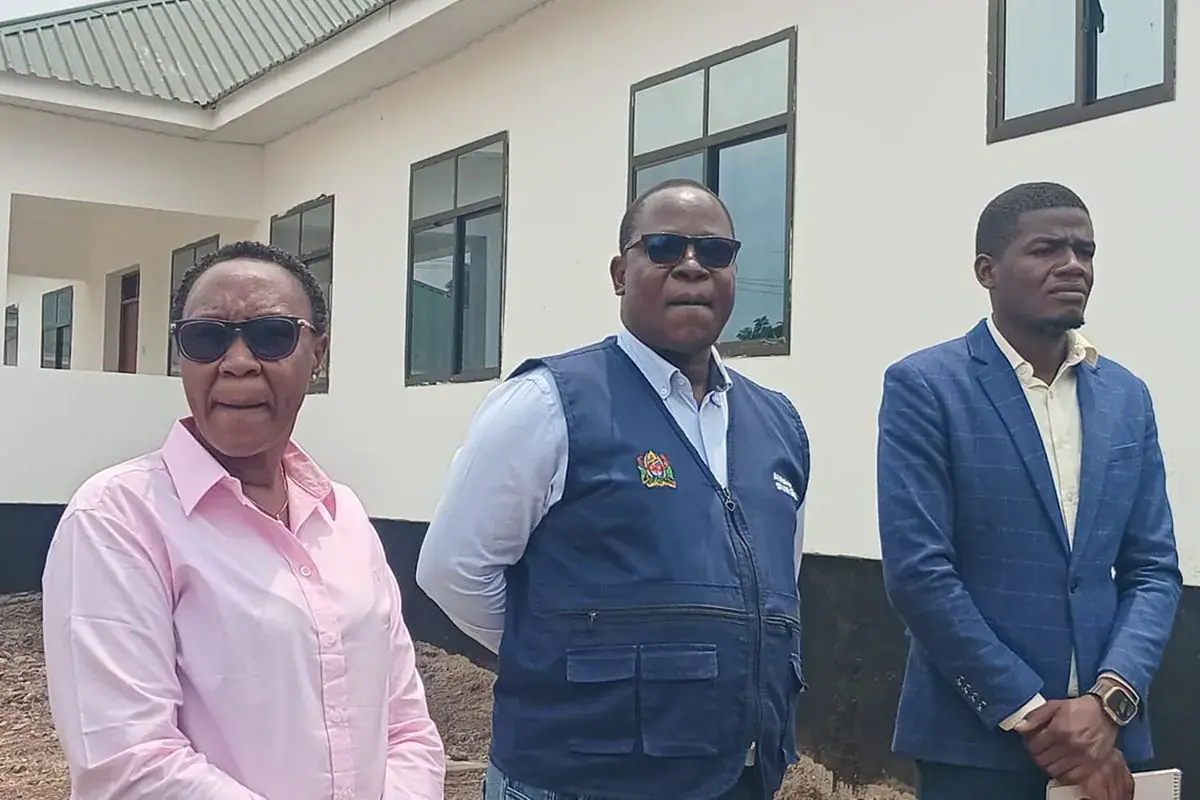
The Tanzanian government, in collaboration with the World Health Organisation (WHO), has developed strategies to strengthen health experts' capacity to detect early signs of epidemic diseases and prevent infections from spreading. This initiative aims to improve preparedness at health facilities, particularly in areas with high levels of interaction between people from within and outside the country. The goal is to ensure patients showing signs of infectious diseases are identified early and receive treatment without putting healthcare workers and other citizens at risk.
A five-day training programme was conducted for 35 experts from six health facilities in Mbeya Region, including the Regional Referral Hospital and Zonal Referral Hospital. The training combined theoretical and practical sessions, focusing on enabling experts to recognise and suspect signs of infectious diseases, take appropriate precautions, and apply proper personal protection measures when attending to patients. Ministry of Health Emergency Medicine Specialist, Dr Michael Kilemeji, emphasised that the initiative aimed to strengthen healthcare workers' capacity as part of national preparations to tackle diseases.
Dr Kilemeji explained that health facilities played a critical role in preventing disease transmission, as patients could seek medical attention without knowing they were carrying an infectious disease. The government is continuing to strengthen surveillance and disease control systems at border points, including establishing mechanisms to collect information about people entering the country. This effort is crucial in preventing the spread of diseases and ensuring public safety.
Mbeya Region was selected for the training due to its strategic position as a gateway to Southern African Development Community (Sadc) countries, including Malawi and Zambia. The movement of people across borders and from different parts of the region makes Mbeya one of the areas requiring stronger surveillance and infectious disease control systems. Dr Kilemeji noted that Tanzania is safe, but it is essential to continue strengthening preparedness at airports, ports, and borders.
WHO representative Nemes Iliya stated that the organisation and the Ministry of Health had developed joint strategies to strengthen healthcare workers' capacity to protect themselves and respond effectively to infectious diseases. The spread of epidemic diseases across several African countries, including the Democratic Republic of Congo (DRC), Uganda, and Kenya, requires governments to strengthen preparedness, surveillance, and infection prevention and control systems.
Dr Elizabeth Nyema, Mbeya Regional Medical Officer, said the training had equipped health experts with skills to protect themselves while treating patients and establish appropriate service delivery procedures whenever someone showing signs of an infectious disease was identified. She emphasised that the priority was to ensure healthcare workers remained safe while patients continued receiving treatment without creating opportunities for infections to spread.
Dr Nyema urged councils to ensure that experts who attended the training shared their knowledge with colleagues at other health facilities to extend the benefits to more healthcare workers. This is particularly important for Mbeya Region due to its proximity to Malawi and Zambia, making strong surveillance and infectious disease control systems essential. The partnership between WHO and the government aims to equip health experts with theoretical and practical knowledge on personal protection, identifying disease symptoms, and taking appropriate action when attending to suspected cases.
Key points
- Tanzania partners with WHO to enhance health experts' capacity to detect and prevent epidemic diseases.
- The initiative focuses on high-risk areas, including Mbeya Region, which is a gateway to Southern African Development Community countries.
- The training programme aims to strengthen healthcare workers' capacity to protect themselves and respond effectively to infectious diseases.