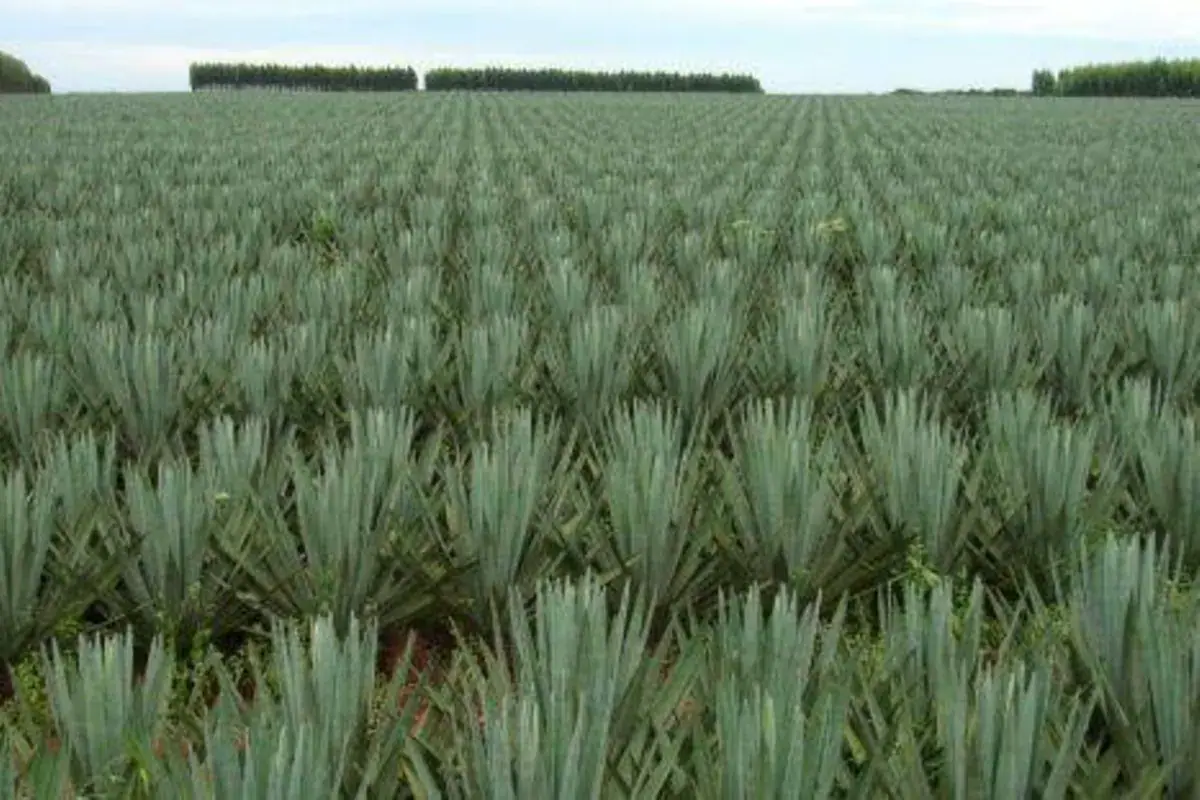
Tanzania is seeking to increase its sisal production, expand local processing, and attract investment to reach its target of $209 million in annual export earnings. The country currently produces around 62,000 tonnes of sisal per year, with 80 percent of it being exported, generating over $62.74 million. The Tanzania Sisal Board (TSB) is implementing strategies to capitalize on growing domestic and international demand for value-added products.
The TSB is promoting measures such as intercropping sisal with horticultural crops like sweet peppers, hot peppers, and fruits to help farmers diversify their income and maximize land use. The board is also encouraging manufacturers to produce sisal-based packaging materials, including sacks, shopping baskets, and crates for transporting agricultural produce. This move aims to increase the crop's contribution to national income and export earnings.
According to TSB marketing officer, Best Rukanda, the sector currently involves over 58 companies, many of which are run by young people, creating employment opportunities. The board is working with private investors through public-private partnerships and other investment arrangements to establish more processing industries. This will help increase production and meet the target of 150,000 tonnes of sisal production in the long term.
The TSB is also targeting districts in Tabora Region, including Nzega, where farmers are being encouraged to establish sisal farms through the provision of free planting materials and other agricultural support. The board is further assessing suitable areas bordering Morogoro and Iringa regions for possible cultivation. This expansion will involve approximately 50,000 smallholder farmers and over 1,500 farmers affiliated with Agricultural Marketing Cooperative Societies (Amcos).
In addition to conventional sisal products, the board is promoting the use of factory waste to manufacture decorative and household items. One beneficiary, Ibrahim Ndeta, a third-year Civil Engineering student at the University of Dar es Salaam, has established Future Handicraft to transform discarded sisal into products for homes, offices, and hotels. His products include wall hangings, pictures, doormats, and baskets.
Ndeta's business benefits from the support of the Tanzania Sisal Board, which provides free raw materials, promotes its products, and connects him with stakeholders. The project enables him to generate income to support his studies and meet his daily living expenses. The use of sisal waste for manufacturing decorative items demonstrates the crop's potential beyond traditional rope-making.
The Tanzania Sisal Board's efforts to increase production, expand local processing, and attract investment aim to capitalize on growing demand for sisal products. With the current production of 62,000 tonnes and a target of 150,000 tonnes, the board is working to increase the crop's contribution to national income and export earnings. The industry's growth is expected to create more employment opportunities and increase Tanzania's export earnings.
Key points
- Tanzania targets $209 million in sisal exports.
Reporting sources
- How Tanzania plans to achieve $209m sisal export target · The Citizen