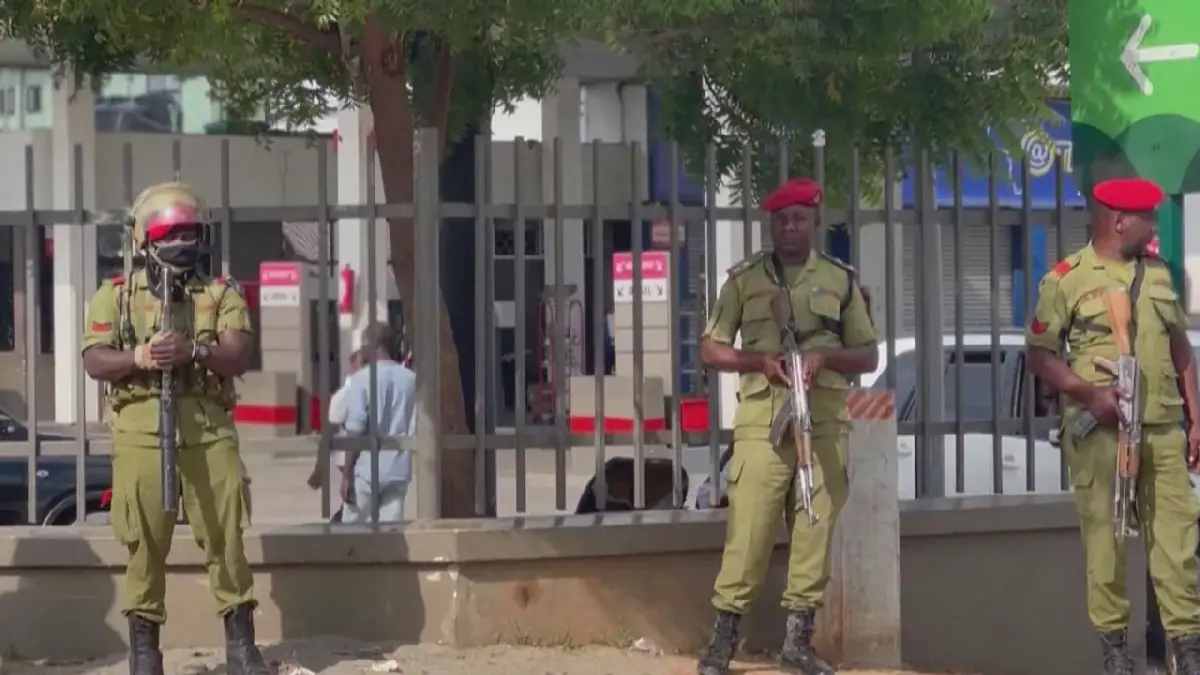
Tanzania is today marking the first anniversary of a highly contested and violent election. The October 29, 2025 election saw President Samia Suluhu Hassan win with an overwhelming 98 percent of the vote. Her victory came after most of the opposition candidates were excluded from the race. The election outcome triggered days of widespread protests across the country. The protests were brutally suppressed by security forces, leaving many civilians dead or injured.
In the aftermath of the election, the situation in Tanzania has remained tense. Many government critics and opposition supporters have expressed fears of abduction, arbitrary arrest, and politically motivated prosecutions. These concerns have been voiced by various quarters, including human rights organizations and international observers. The persistence of these fears has contributed to a climate of uncertainty and unease in the country.
The 2025 election in Tanzania was marked by significant controversy. The exclusion of most opposition candidates from the race raised concerns about the fairness and credibility of the electoral process. President Samia Suluhu Hassan's 98 percent victory was widely seen as a result of the restrictive electoral environment. The subsequent protests and security response have had lasting impacts on the country, affecting not only the political landscape but also the social fabric.
One year after the election, many Tanzanians continue to feel the effects of the violence and repression. Families of those who were killed or injured during the protests still grapple with the trauma and loss. Moreover, the broader population remains wary of the government's actions and intentions. The climate of fear and mistrust has made it difficult for the country to move forward and rebuild.
The international community has been monitoring the situation in Tanzania closely. Various human rights organizations and foreign governments have expressed concerns about the election process and its aftermath. They have called for measures to address the underlying issues that led to the violence and to ensure that such incidents do not recur in the future.
The road to recovery and reconciliation in Tanzania will likely be long and challenging. Efforts to rebuild trust between the government and the populace are essential. This will require concrete steps to address the grievances of the opposition and the general public, as well as measures to prevent future abuses of power and ensure accountability for past actions.
As Tanzania looks to the future, it is clear that the legacy of the 2025 election will have a lasting impact. The country must navigate a path that promotes stability, justice, and inclusivity. This will involve not only addressing the immediate consequences of the election violence but also tackling the deeper structural issues that contributed to the crisis.
Key points
- President Samia Suluhu Hassan won the 2025 election with 98 percent of the vote amid opposition exclusion and subsequent violent protests.