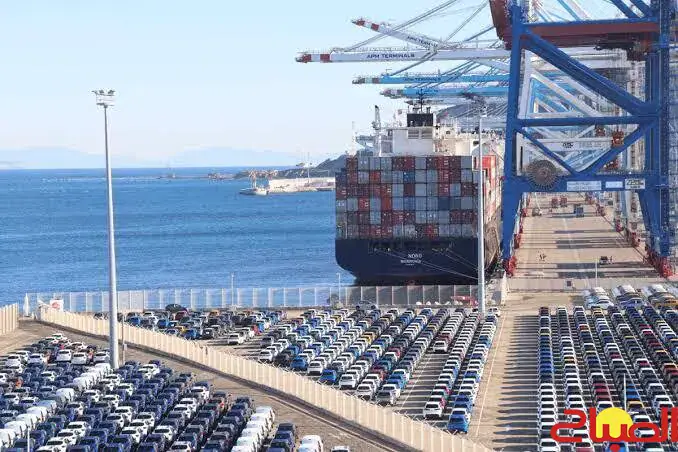
The Tangier-Tetouan region in northern Morocco is grappling with significant challenges hindering its economic development. According to a recent report, the area faces considerable regional disparities that impact its growth potential. These disparities are often a result of infrastructural and socio-economic imbalances. The region's unique geographical position offers immense potential, but various obstacles prevent it from being fully leveraged.
One of the primary concerns in the Tangier-Tetouan region is the weak entrepreneurial fabric. The local business landscape is characterized by a lack of robust and competitive enterprises that can drive innovation and job creation. This fragility in the entrepreneurial ecosystem stifles the region's ability to attract substantial investments and nurture sustainable economic activities. Efforts to bolster the local business environment are crucial for overcoming this hurdle.
Administrative inefficiencies also pose a significant challenge to the region's economic development. The slow pace of administrative processes deters potential investors and hampers the ease of doing business in Tangier-Tetouan. Streamlining administrative procedures and enhancing transparency are essential steps toward creating a more favorable business climate. This would encourage entrepreneurship, stimulate investment, and ultimately contribute to the region's economic growth.
The region's economic potential is further constrained by inadequate infrastructure and limited access to finance for small and medium-sized enterprises (SMEs). Improving infrastructure, such as transportation networks and industrial zones, is vital for attracting investment and facilitating trade. Additionally, enhancing access to financial services for SMEs can help stimulate innovation and entrepreneurship, driving economic diversification and resilience.
To address these challenges, the Moroccan government and various stakeholders have initiated several development programs aimed at promoting economic growth and reducing regional disparities in Tangier-Tetouan. These initiatives focus on improving infrastructure, supporting entrepreneurship, and enhancing the business environment. The success of these programs will depend on effective implementation, coordination, and the involvement of local stakeholders.
The development of the Tangier-Tetouan region also requires a concerted effort to promote sustainable and inclusive economic growth. This involves investing in human capital, fostering innovation, and ensuring that the benefits of economic development are equitably distributed. By adopting a holistic approach to economic development, the region can unlock its potential and improve the living standards of its residents.
In conclusion, the Tangier-Tetouan region faces significant economic development hurdles, including regional disparities, a weak entrepreneurial fabric, and slow administrative processes. Addressing these challenges will require a multi-faceted approach that involves government intervention, private sector participation, and community engagement. By working together, stakeholders can help unlock the region's economic potential and promote sustainable and inclusive growth.
Key points
- Regional disparities and weak entrepreneurship are major obstacles to economic growth in the Tangier-Tetouan region.
- Slow administrative processes and inadequate infrastructure also hinder the region's development.
- Efforts to promote sustainable and inclusive economic growth are crucial for unlocking the region's potential.
Reporting sources
- طنجة تطوان …عوائق التنمية · Assabah