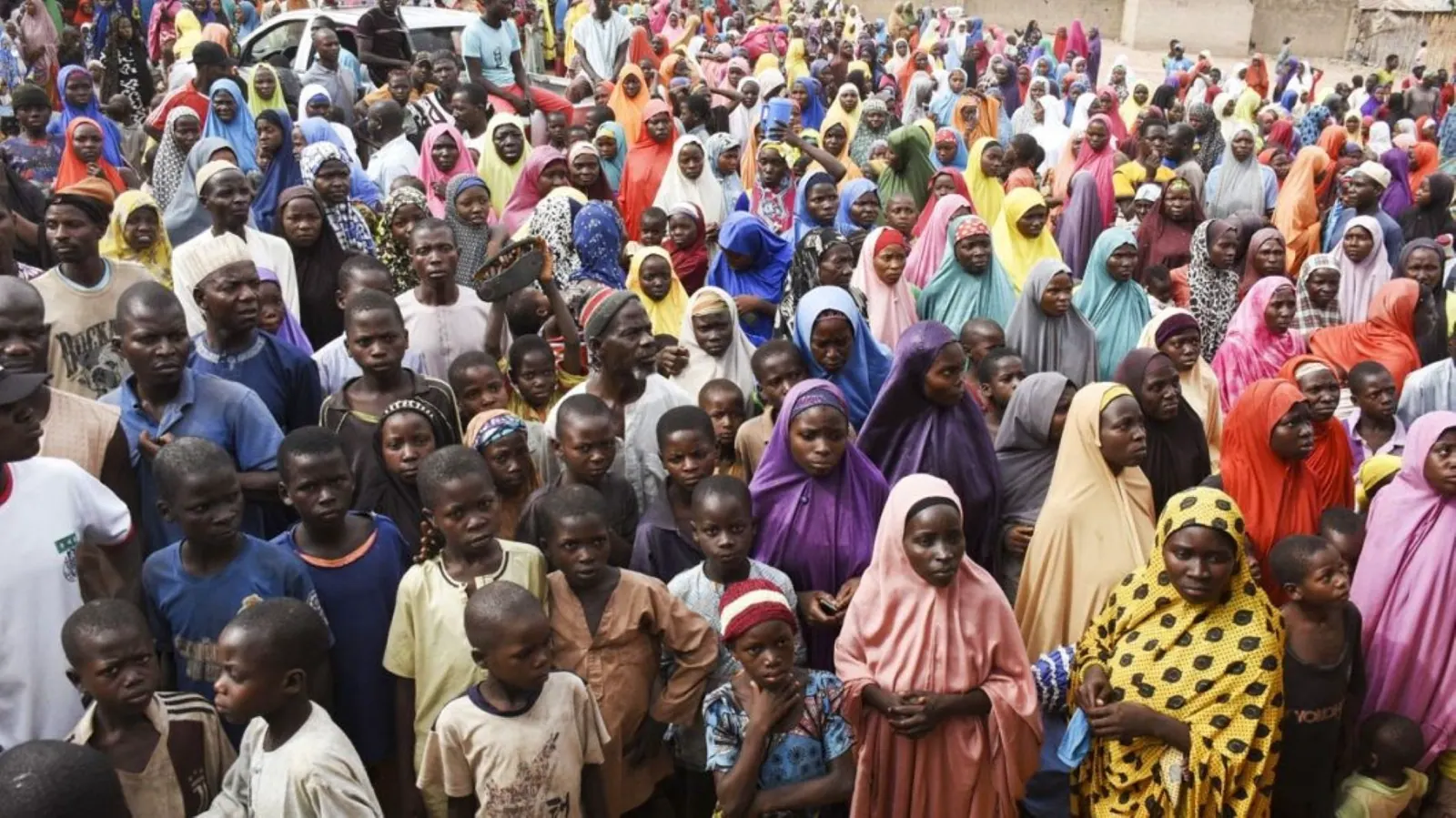
TAF-Africa has initiated a voter education campaign targeting 600 internally displaced persons (IDPs) at Wasa village in Abuja. The goal is to ensure that displacement does not prevent eligible Nigerians from exercising their civic rights in the 2027 general elections. The campaign, which began on September 25, 2026, focuses on educating IDPs about their right to participate in elections and the provisions made by the Independent National Electoral Commission (INEC) for their participation.
The voter education campaign is a collaboration between TAF-Africa and INEC, aimed at enabling displaced citizens to register, transfer their polling units, and replace lost Permanent Voter Cards (PVCs). According to George Dominic, Assistant Programme Manager at TAF-Africa, the organisation had previously worked with INEC to facilitate Continuous Voter Registration (CVR) for eligible IDPs in the camp. Dominic emphasized that IDPs are still citizens of Nigeria and have the right to participate in the electoral process.
Many IDPs in the camp were displaced from states such as Borno and Adamawa due to insurgency, communal violence, and other crises. Some lost their voter cards, while others had never registered. Dominic stated that the campaign could reach more than its 600-person target, given the interest already generated among residents. TAF-Africa is distributing leaflets and flyers explaining the steps required to participate in the electoral process.
TAF-Africa estimates that over 4.6 million Nigerians are displaced across Adamawa, Benue, Borno, and Kaduna states, with approximately 2.4 million aged 18 and above and potentially eligible to vote. The organisation believes that these figures underscore the scale of the electoral inclusion challenge ahead of the 2027 elections and the need to ensure that displacement does not translate into disenfranchisement.
Beyond voter education, TAF-Africa also provided rice and other relief items to residents in the camp. Dominic called for longer-term interventions to help displaced Nigerians rebuild their livelihoods, emphasizing the need for government support, economic empowerment, and skills training. He stressed that sustained collaboration among INEC, government agencies, civil society organisations, and humanitarian bodies is necessary to ensure that displaced Nigerians remain connected to the electoral process.
Geoffrey Bitrus, chairman of the IDP association in the camp, commended the initiative and appealed for greater government and humanitarian intervention in education, water supply, and healthcare. Bitrus stated that the camp's population is approximately 7,776 displaced persons from various states. He highlighted the challenges faced by the camp, including a lack of functioning boreholes, a secondary school, and a health facility.
The IDP camp faces significant challenges, including a shortage of essential services. Bitrus urged the Federal Government, development partners, and humanitarian organisations to support sustainable education, water, and healthcare services in the camp. The successful implementation of the voter education campaign and provision of essential services will be crucial in ensuring that IDPs can exercise their civic responsibilities and rebuild their lives.
Key points
- TAF-Africa's voter education campaign aims to educate 600 IDPs in Abuja about their right to participate in the 2027 general elections.
- The organisation estimates that over 4.6 million Nigerians are displaced across several states, with approximately 2.4 million potentially eligible to vote.
- The IDP camp faces significant challenges, including a lack of essential services such as education, water supply, and healthcare.