Swiss voters have overwhelmingly rejected a proposal to enshrine a definition of neutrality in the country's constitution. The referendum, which was put forward by the pro-sovereignty organization Pro Switzerland, was rejected by 70.1 percent of voters on Sunday. The proposal aimed to guarantee that Swiss neutrality is "armed and perpetual" and would have prevented Switzerland from pursuing closer ties with NATO.
The Swiss government and most political parties opposed the proposal, arguing that it would limit the country's flexibility in responding to international crises. Foreign Minister Ignazio Cassis told reporters that the rejection of the proposal does not mean that Switzerland is abandoning its neutrality. "Switzerland was neutral yesterday, it is neutral today, and it will remain neutral in the future," he said.
Switzerland's traditional position of armed neutrality has been recognised since the end of the Napoleonic wars in 1815. However, the implementation of neutrality has been left to the government, and there is no clear definition of what it means in modern conflicts. The Russian war in Ukraine has raised questions over how neutrality should be applied, and the proposal aimed to provide a clearer definition.
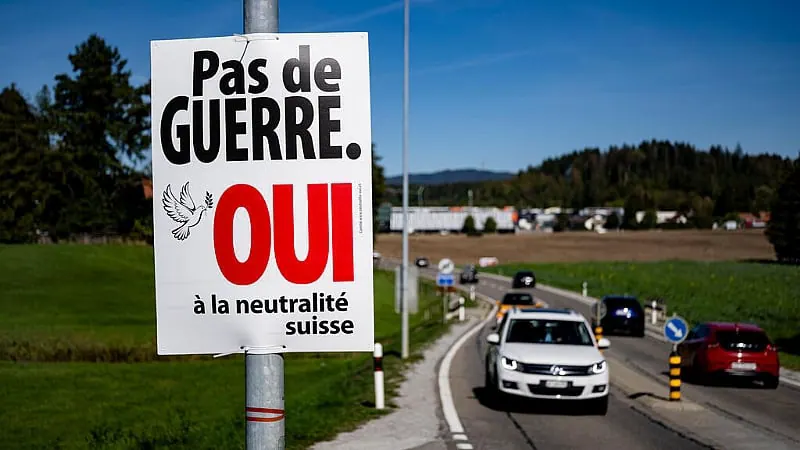
The hard right Swiss People's Party (SVP), which funded the campaign in favour of the referendum, accepted the defeat and said it currently has no plans for further action. The party had used posters urging people to vote "No war, yes to neutrality", featuring white peace doves. The rejection of the proposal allows Switzerland to continue deciding on economic sanctions on a case-by-case basis.
The Swiss government has been walking a tightrope in its relations with Russia and Ukraine, backing anti-Russia sanctions while maintaining its neutrality. The rejection of the proposal means that Switzerland can continue to cooperate with partners when doing so strengthens the country's security. Foreign Minister Cassis stressed that Switzerland's security depends on the security of its neighbours and the European continent.
The outcome of the referendum has been seen as a relief by many in Switzerland, who were concerned that a stricter definition of neutrality would limit the country's ability to respond to international crises. The government has said that it will continue to work with international partners to ensure Switzerland's security and stability.
The rejection of the proposal has also been seen as a sign that Switzerland will continue to play a role in international affairs, while maintaining its neutrality. The country's position on neutrality has been closely watched by other countries, and the outcome of the referendum is likely to have implications for Switzerland's relations with other nations.
Key points
- Swiss voters reject proposal to enshrine neutrality in constitution
- Rejection allows Switzerland to continue deciding on economic sanctions on a case-by-case basis
- Switzerland's neutrality will remain unchanged, says Foreign Minister Ignazio Cassis