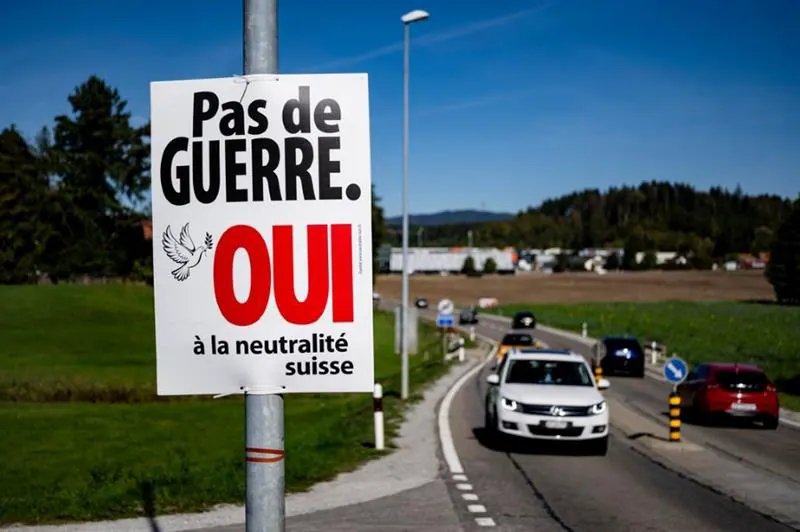
On Sunday, September 27, 2026, Swiss citizens voted on a proposal to enshrine neutrality in the country's constitution. The initiative, championed by the hard-right Swiss People's Party (SVP), aimed to define neutrality as "armed and perpetual." If passed, the proposal would have prevented Switzerland from establishing closer ties with NATO and prohibited imposing sanctions unless called for by the United Nations. The country's neutrality has been a cornerstone of its identity since 1516.
The Swiss government and parliament have rejected the proposal, arguing it would limit the country's flexibility in times of geopolitical tension. Swiss Foreign Minister Ignazio Cassis stated that neutrality has always been applied with a degree of flexibility and that the country cannot remain indifferent to international rule violations. The government emphasized that neutrality does not mean inaction, and Switzerland would continue to defend international rules.
The proposal has sparked controversy, with some viewing it as an attempt to appease Russia. Moscow has praised the initiative, while some opponents have labeled it "pro-Russian." The SVP, however, insists that its goal is to foster peace, diplomacy, and dialogue through perpetual armed neutrality. Celine Amaudruz, SVP vice president, emphasized the importance of maintaining credibility through armed neutrality.
Opinion polls have consistently indicated that a majority of voters would reject the initiative. The final two surveys suggested that over 60 percent of voters would vote against the proposal. In addition to the neutrality proposal, voters also considered an initiative to raise the country's food self-sufficiency rate to 70 percent, up from 42 percent in 2024.
The government has warned that achieving a 70 percent self-sufficiency rate would be difficult, if not impossible. Most major parties have rejected this initiative as unrealistic. The Swiss People's Party (SVP) is the only major party to support the neutrality proposal. Polling stations closed at 12:00 pm local time, marking the end of the voting process.
The outcome of the vote will have implications for Switzerland's foreign policy and international relationships. The country's neutrality has been internationally recognized since 1815, and any changes to its stance could impact its relationships with other nations. The results of the vote will be closely watched by international observers.
The rejection of the proposal is expected to have significant implications for Switzerland's future. The country's leaders will need to navigate the complexities of maintaining neutrality in a rapidly changing global landscape. The vote has highlighted the challenges of balancing national identity with international obligations.
Key points
- The Swiss voters have rejected the proposal to enshrine neutrality in the country's constitution.
- The initiative was championed by the hard-right Swiss People's Party (SVP) and aimed to define neutrality as "armed and perpetual."
- The rejection of the proposal will have significant implications for Switzerland's foreign policy and international relationships.