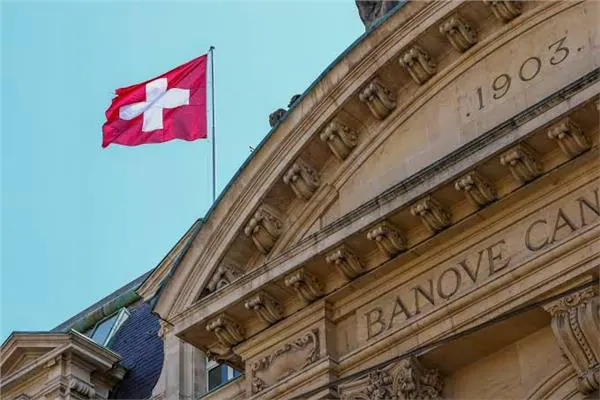
On Sunday, September 27, Swiss citizens are casting their ballots on a proposal to strengthen the country's neutrality. The proposal, which is backed by the right-wing nationalist party, aims to enshrine neutrality in the constitution and restrict Switzerland's participation in international military alliances and economic sanctions. The initiative, known as the "popular initiative," seeks to ensure that Switzerland does not join any military alliances or impose economic sanctions on third countries, except those imposed by the United Nations.
The proposal has sparked a heated debate in Switzerland, with some arguing that it would limit the country's ability to adapt to changing circumstances. The Swiss government has recommended rejecting the proposal, citing concerns that it would restrict the country's flexibility in responding to international crises. In contrast, supporters of the proposal argue that it would ensure that Switzerland remains neutral in conflicts between other countries. They point out that Switzerland has a long history of neutrality, dating back to the 19th century.
The Swiss government has been criticized for its decision to follow European Union sanctions against Russia after the invasion of Ukraine, which some argue has compromised the country's neutrality. The government has also been involved in international efforts to promote peace and stability, including its membership in the United Nations. However, some argue that these efforts have blurred the lines of Switzerland's neutrality.
The proposal is supported by the Swiss People's Party, which is the largest party in the Swiss parliament. The party's deputy leader, Céline Amoudruz, has argued that Switzerland's neutrality is essential to its identity and that it should be preserved at all costs. She also emphasized that neutrality does not mean that Switzerland should turn a blind eye to international conflicts, but rather that it should strive to promote peace and diplomacy.
The proposal has been welcomed by Moscow, which has accused Switzerland of abandoning its neutrality by following EU sanctions. However, most Swiss parties have rejected the proposal, citing concerns that it would limit the country's ability to respond to international crises. Recent polls have shown that a majority of Swiss citizens, around 60%, reject the proposal.
In addition to the proposal on neutrality, Swiss citizens are also voting on a separate initiative aimed at boosting domestic food production. The initiative, which is backed by a non-partisan citizen movement, seeks to increase Switzerland's self-sufficiency in food production from 42% to 70% over the next decade. However, the government and most parties have rejected this proposal, citing concerns that it is unrealistic and would be difficult to implement.
The outcome of the votes is expected to be announced later on Sunday. The results will provide insight into the Swiss public's views on neutrality and food production. The Swiss government will likely take the results into account when shaping its foreign policy and agricultural strategies. The country's neutrality has been a cornerstone of its identity for centuries, and any changes to its approach are likely to have significant implications for its relationships with other countries.
Key points
- The proposal aims to enshrine neutrality in the Swiss constitution and restrict participation in international military alliances and economic sanctions.
- The Swiss government has recommended rejecting the proposal, citing concerns that it would limit the country's flexibility in responding to international crises.
- The outcome of the votes will provide insight into the Swiss public's views on neutrality and food production.