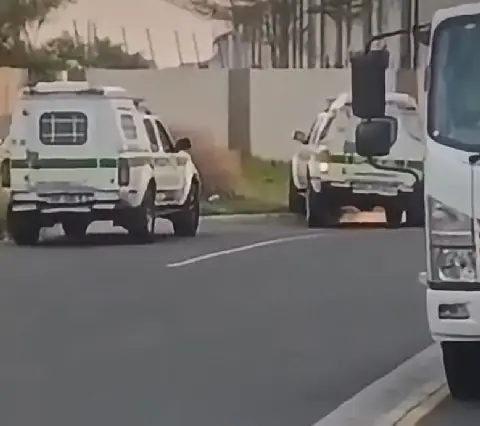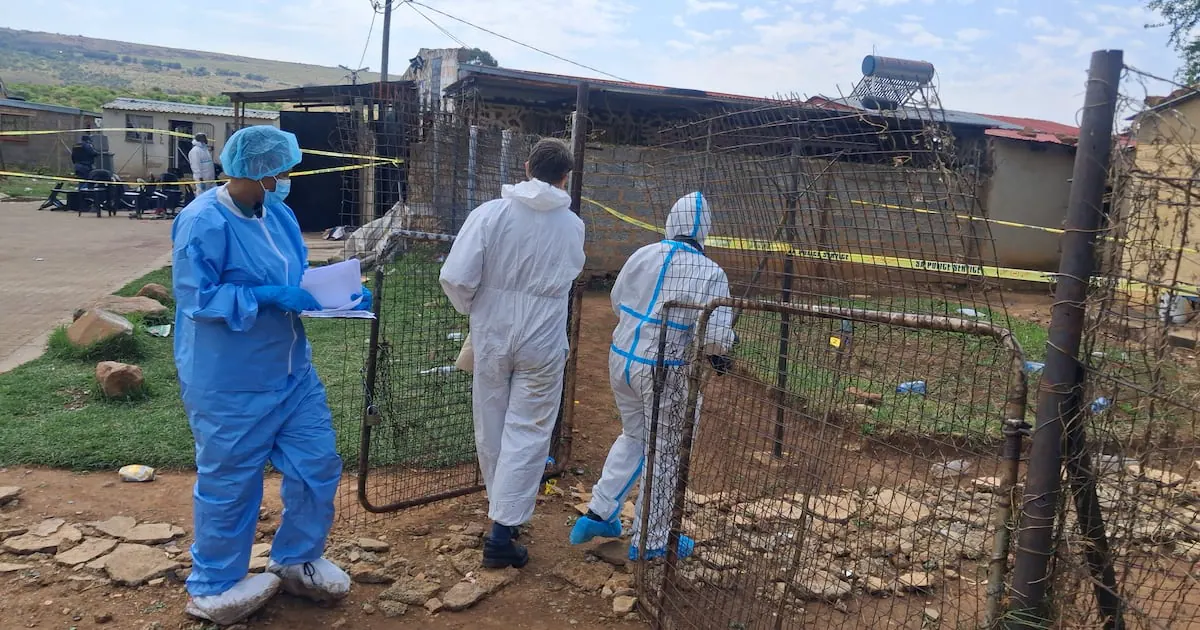
South Africa is reeling from two mass shootings that have left 27 people dead and many more injured. The incidents, which occurred in Gauteng's West Rand and the Western Cape, have once again highlighted the country's deep-rooted problems with organised criminal groups, illegal mining syndicates, and business rivalries. The violence is not isolated, but rather part of a string of atrocities that have left communities living in fear. In Wedela, west of Johannesburg, 17 people lost their lives and 15 more were wounded in a tavern attack.
The Wedela attack bears striking similarities to a previous incident at the same tavern just a month earlier. Locals point to ongoing turf wars between zama-zamas, or illegal miners, and fear that this latest massacre is an escalation of entrenched gang rivalries. The easy availability of guns, including AK-47 rifles used in the Wedela attack, fuels not only organised crime and gang violence but also ordinary disputes that too often turn deadly. The proliferation of illegal firearms has become a national emergency, with the government facing mounting pressure to act.
In Lwandle, near Cape Town, 10 more lives were lost in a venue selling grilled meat, with initial reports suggesting business jealousy as a possible motive. The incident has raised concerns over the role of business rivalries in fuelling violent crime. Despite concerted efforts by the government, including the deployment of the national army and the creation of specialised task teams, violent crime persists. The country's murder rate remains among the highest in the world, and public confidence in law enforcement is slipping fast.
The discovery of women's bodies in open fields in Ekurhuleni since July has reignited national outrage over femicide. On Sunday, an 11th body was found in Springs, further highlighting the need for urgent action. Weeks after the first women's bodies were discovered, families and communities are still waiting for answers. The police have provided few details, fuelling concerns over their effectiveness in investigating and preventing such crimes.
Police must act with urgency and transparency to restore public trust. The lack of concrete progress in investigations and the slow pace of bringing perpetrators to justice have only added to the public's frustration. President Cyril Ramaphosa has warned that organised crime is now the biggest threat to South Africa's democracy, highlighting the need for a concerted effort to stem the proliferation of illegal firearms and dismantle criminal networks.
The government faces mounting pressure to address the root causes of violent crime, including poverty, inequality, and unemployment. However, the immediate priority is to restore public trust in law enforcement and demonstrate a commitment to justice and accountability. Only swift, effective action will restore the trust that is so desperately needed in these communities.
As the body count continues to rise, the police must redouble their efforts to prevent further violence and bring perpetrators to justice. The public is demanding answers, and it is up to the authorities to provide them. With the country's democracy under threat from organised crime, the need for urgent action has never been more pressing.
Key points
- President Cyril Ramaphosa has warned that organised crime is now the biggest threat to South Africa's democracy.
- The country's murder rate remains among the highest in the world, and public confidence in law enforcement is slipping fast.
- Police must act with urgency and transparency to restore public trust and bring perpetrators to justice.