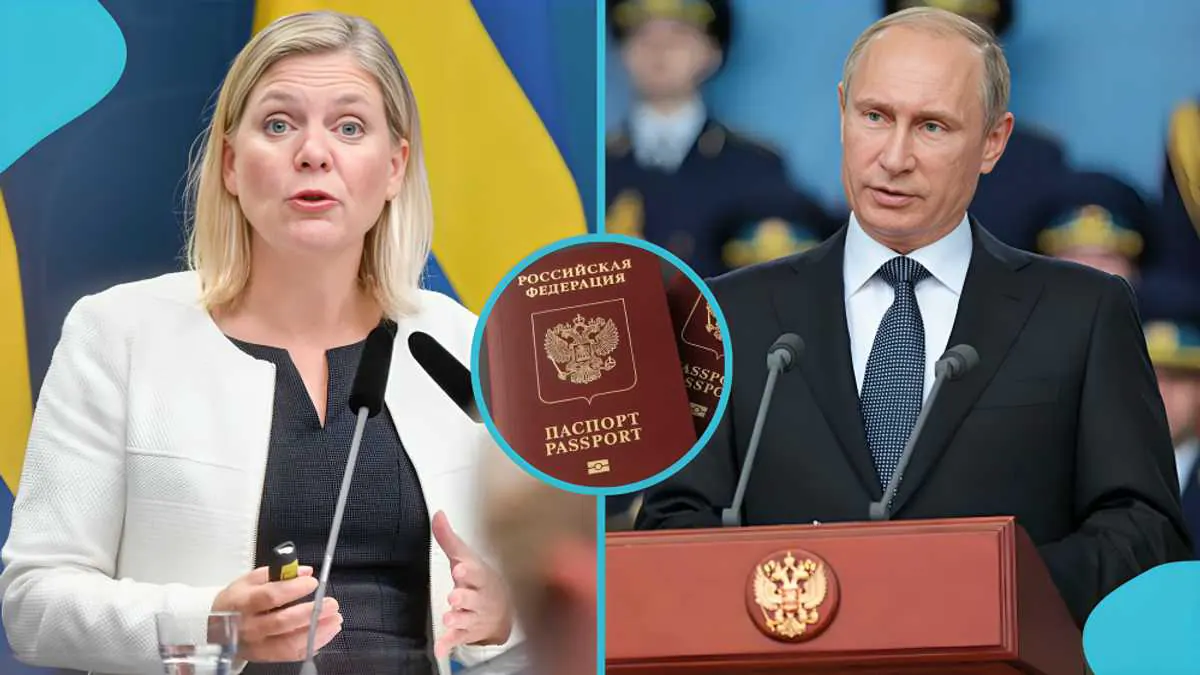
Sweden has announced that it will stop recognising ordinary non-biometric passports issued by Russia, effective October 1, 2026. The Swedish immigration agency confirmed the change, stating that non-biometric passports lack an electronic chip storing personal data, including photographs and fingerprints. This move will impact Russian nationals who rely on older passport formats for travel to Sweden.
Holders of non-biometric Russian passports will be unable to enter Sweden or apply for visas and residence permits. The new policy will affect various purposes, including study, tourism, work, and family reunification. However, a transitional period is in place until December 31, 2026, allowing those with valid visas or permits issued before the deadline to still use their non-biometric passports under specific conditions.
During the transitional period, travellers with non-biometric Russian passports can still enter Sweden if their passport contains a valid visa issued before October 1, 2026, by Sweden, another European Union member state, or a Schengen country. Similarly, individuals with valid residence permits issued before the same date by any of those countries can also use their non-biometric passports.
Swedish authorities have urged affected individuals to apply for biometric passports through their country's relevant government offices as soon as possible to avoid disruption to their travel plans. The policy change signals a significant shift in how Sweden handles Russian travel documentation, with practical consequences for Russian nationals.
The policy extends beyond ordinary travel documents, as Sweden will also stop recognising non-biometric Russian diplomatic passports and service passports from January 1, 2027. This broadening of the measure will considerably impact Russian nationals who rely on these passport formats for official or business travel to Sweden.
Sweden has recently outlined fresh immigration guidelines for foreigners seeking to move to the country for business, work, or study. The Swedish Migration Agency, Migrationsverket, has clarified the rules applying to citizens from the European Union, European Economic Area, and Switzerland, as well as long-term residents of other EU member states.
The announcement by Sweden highlights the country's efforts to enhance its immigration policies and procedures. Russian nationals are advised to take necessary steps to obtain biometric passports to ensure smooth travel to Sweden. The Swedish government's decision aims to improve security and efficiency in processing travel documents.
Key points
- Sweden will stop recognising non-biometric Russian passports from October 1, 2026.
- A transitional period is in place until December 31, 2026, for those with valid visas or permits.
- The policy change will affect entry, visa applications, and residence permits for Russian nationals.