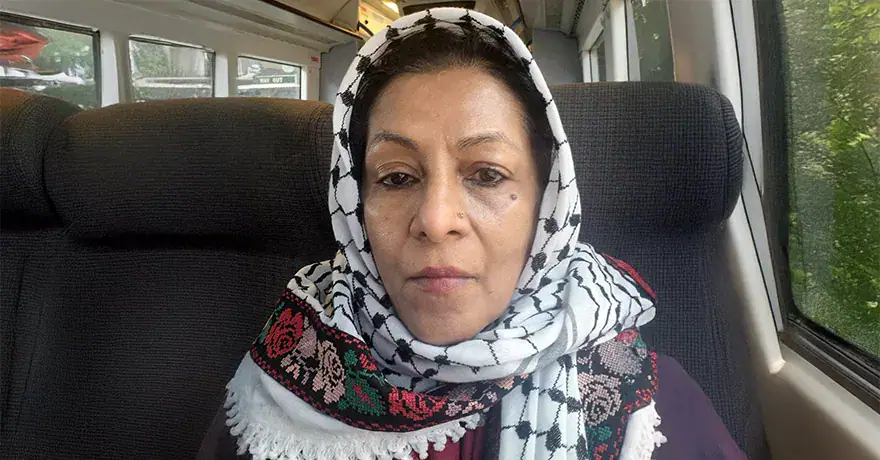
Swaleha Joomun, a 60-year-old mother of three and grandmother, is still seeking answers 30 years after her husband Babal Joomun was assassinated in the Gorah Issac shooting. The incident occurred on October 26, 1996, when Babal, a political activist, was killed alongside Yousouf Moorad and Zulfikar Bheeky. Swaleha recounts the memories of that night with precision, including identifying her husband's body at the morgue and her daughters' confusion about their father's absence.
The night of October 25, 1996, was ordinary until Babal prepared to leave for a political meeting. Swaleha advised him to be calm, unaware that it would be their last moments together. Her youngest daughter, Haifa, was only two years old at the time and has grown up without vivid memories of her father. Swaleha's priority was to provide her daughters with a better future, and she achieved this by immigrating to England. Her daughters have succeeded through their own efforts, a source of pride for Swaleha.
Swaleha's journey has been marked by pain, marginalization, and humiliation as she sought to bring attention to her husband's case. She feels that the victims' memories and their families' suffering have not been adequately acknowledged. In September, Swaleha visited Mauritius with her daughters and grandchildren, visiting her husband's tomb and the Gorah Issac site, where the landscape has changed but memories remain.
The triple assassination remains shrouded in mystery, with several suspects arrested and some dying before trial. Cehl Meeah, accused of masterminding the attack, was given a non-lieu in 2003, while Liyyakat Polin was sentenced to 21 years in prison in 2004. Swaleha has forgiven out of pity but seeks justice and answers about the circumstances surrounding the killings.
Swaleha's daughters have grown up and moved on, but their mother's quest for truth continues. She refuses to let the incident fade into history, instead demanding accountability and recognition of the victims' families' suffering. The case has seen several twists and turns, including allegations of a "death squad" and a stolen 4x4 vehicle used in the attack.
As Swaleha looks back on her life, she is proud of her daughters' accomplishments but still feels the pain of her loss. Her husband's memory remains vivid, and she hopes that one day, she will find closure. The incident has left a lasting impact on Swaleha and her family, and she continues to seek justice.
The Gorah Issac shooting remains a significant event in Mauritian history, with many questions still unanswered. Swaleha's determination to uncover the truth serves as a testament to the enduring impact of that fateful night. Her story serves as a reminder of the importance of seeking justice and accountability, even decades after the fact.
Key points
- Swaleha Joomun's husband was killed in the 1996 Gorah Issac shooting, a case still shrouded in mystery.
- Swaleha continues to seek answers and justice 30 years after the incident.
- The incident remains a significant event in Mauritian history, with many questions still unanswered.