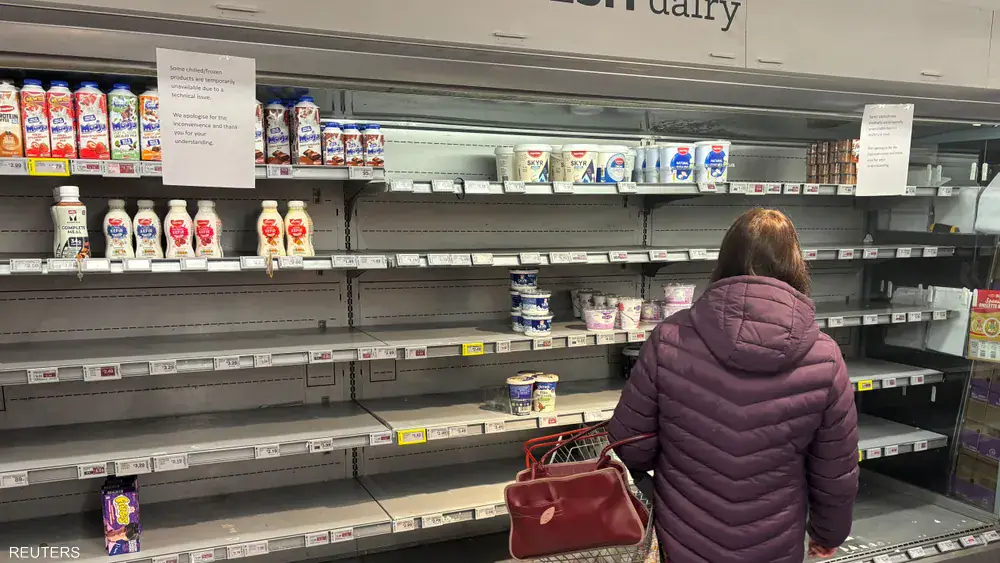
A series of cyberattacks has targeted the cooling systems of major retailers in at least nine European countries, causing disruptions to refrigeration and freezing systems. The attacks, which occurred on Monday, affected stores in Belgium, Luxembourg, Sweden, Germany, Ireland, the Netherlands, Estonia, Finland, and Romania. This development comes after similar attacks targeted French retailers on October 11 and 12.
Experts in cybersecurity believe that there may be a connection between these operations and Russian hacking groups, based on targeting patterns, technical infrastructure, and servers used. According to Xavier Bellkins, CEO of the cybersecurity firm Lofops, his company strongly suspects that the electronic activity is linked to a threat actor supported by the Russian state. The attackers demonstrated specialized expertise in industrial control systems and refrigeration technology.
The attacks have been described as a deliberate attempt to disrupt food supply chains. European Commission Agriculture and Food Commissioner Christophe Hansen stated that the attacks aimed to cause chaos in the food distribution system. Meanwhile, security officials at the European Commission are monitoring the incidents. These developments are part of growing European concerns about the escalation of hybrid warfare.
Hybrid warfare involves targeting vital services and infrastructure to cause economic, social, and psychological disruption without engaging in direct military confrontation. Experts believe that targeting retailers' cooling systems has implications that go beyond operational damage, given the connection between these systems and food preservation and distribution chains.
The incidents have sparked concerns about the vulnerability of critical infrastructure to cyber threats. The European Commission and national authorities are likely to increase their vigilance and cooperation to prevent similar attacks in the future. The investigation into the attacks is ongoing, with authorities working to identify the perpetrators and their motives.
The impact of the attacks on retailers and consumers is still being assessed. However, it is clear that the disruptions to cooling systems have caused significant inconvenience and economic losses. The incidents have also raised questions about the preparedness of European retailers to respond to cyber threats and their ability to protect their critical infrastructure.
As the investigation continues, European authorities are expected to take steps to strengthen their cybersecurity measures and enhance cooperation with the private sector to prevent similar attacks. The incidents serve as a reminder of the growing threat of hybrid warfare and the need for increased vigilance and cooperation to protect critical infrastructure.
Key points
- European retailers' cooling systems are targeted in a series of cyberattacks, sparking concerns over food security and hybrid warfare.
- Experts suspect Russian involvement in the attacks, based on targeting patterns and technical infrastructure.
- The incidents highlight the vulnerability of critical infrastructure to cyber threats and the need for increased vigilance and cooperation.