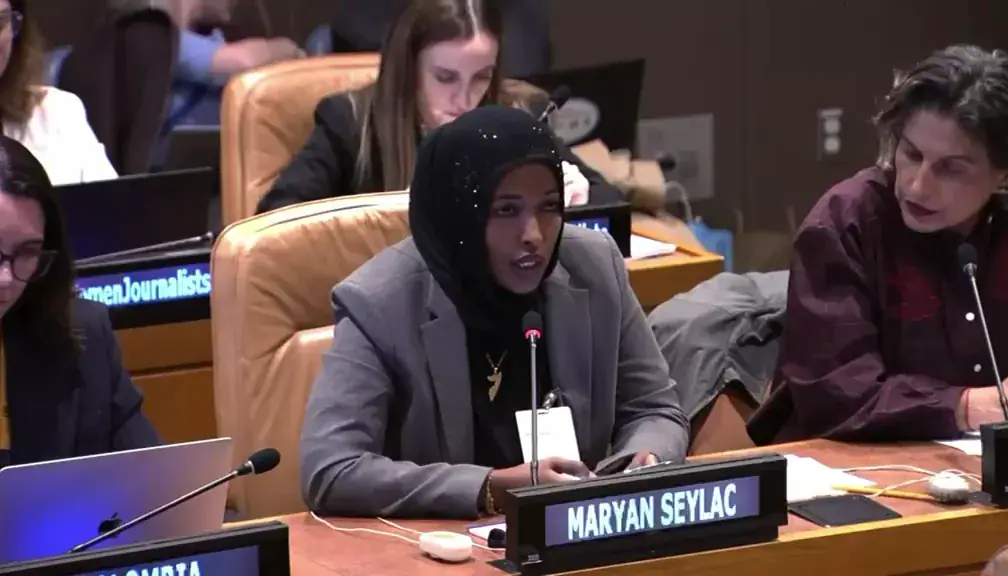
Somali journalist Maryan Seylac has spent her career advocating for women in journalism, driven by her own experience of surviving gunfire in 2006. While working in Baidoa, southwestern Somalia, Seylac was caught in an assassination attempt against former Somali President Abdullahi Yusuf. Her colleagues sheltered from the explosions and bullets, but Seylac emerged determined to help women enter journalism and develop their skills. This experience shaped her commitment to empowering women journalists.
Seylac's determination led her to establish the Somali Media Women Association, known as SOMWA, in 2006. Through SOMWA, hundreds of women journalists have received training, built professional skills, and gained leadership opportunities. Seylac believes that protecting women journalists is essential to peacebuilding, as they often report on critical issues such as conflict, displacement, and sexual violence. Their voices must be heard, and their work protected, Seylac argues.
At a U.N. panel in New York, Seylac emphasized the importance of women's leadership in media. She believes that progress means not only increasing women's numbers in journalism but also giving them authority to shape coverage and lead newsrooms. Seylac's vision is for women journalists to be seen as leaders, decision-makers, and agents of change. This shift in perspective is crucial for creating a more inclusive and equitable media landscape.
Women journalists in conflict-affected countries, including Somalia, face significant threats, including arrests, intimidation, harassment, and gender-based violence. Seylac warned that organized online attacks can threaten their safety, damage reputations, and undermine livelihoods. When a woman journalist is silenced, the entire community loses access to information, accountability, and perspective essential to inclusive peacebuilding.
Seylac called on governments to investigate attacks and hold perpetrators accountable. She urged media organizations to protect women and provide equal leadership opportunities. Seylac also urged digital platforms to address coordinated harassment and wrongful account suspensions, and international partners to invest in women-led media organizations. By working together, Seylac believes that women journalists can be protected and empowered.
Seylac linked women's leadership in media to the Women, Peace and Security agenda, which calls for women's meaningful participation in peace processes. U.N. Security Council Resolution 1325 emphasizes the importance of women's full participation in peace and security efforts. Seylac argued that younger women journalists should be represented in editorial leadership, media ownership, public institutions, and peace discussions.
Seylac's journey from surviving gunfire in Baidoa to supporting women journalists reflects her belief that safety, representation, and press freedom are connected. Every voice for peace counts, Seylac said, but for every voice to count, women must be safe, heard, and able to influence. As a prominent advocate for women journalists, Seylac continues to inspire and empower a new generation of female journalists in Somalia and beyond.
Key points
- Maryan Seylac survived gunfire in Somalia and now leads the fight for women journalists.
- Seylac established the Somali Media Women Association to empower women journalists.
- Protecting women journalists is essential to peacebuilding, Seylac argues.