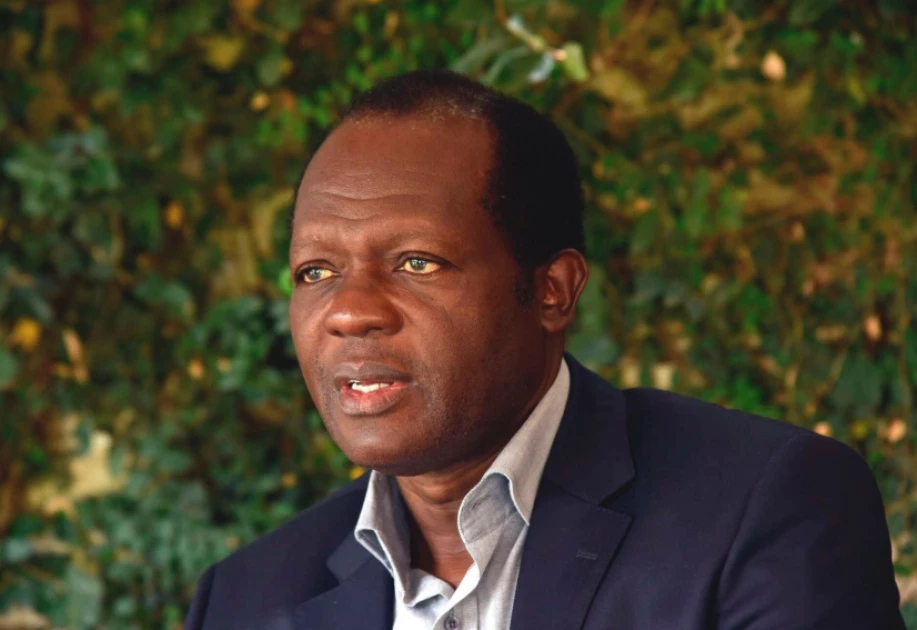
The Supreme Court of Kenya has lifted recusal orders that had barred four of its judges from handling a Ksh.4.5 billion dispute involving former Cabinet Secretary Raphael Tuju, his family, Dari Limited, and the East African Development Bank (EADB). This decision, made on September 25, 2026, effectively revives a legal battle that had stalled for nearly two years. The four judges had recused themselves in 2024 following a complaint lodged with the Judicial Service Commission (JSC) by Tuju and other applicants, alleging bias.
The complaint was filed after the applicants alleged that the judges were determined to reach a predetermined outcome in the case. They sought to rely on allegations involving former EADB employee David Odongo, who was accused of making false affidavits and witness statements that allegedly misled courts. However, in its latest ruling, the Supreme Court found that the circumstances surrounding the recusal had since changed, clearing the way for the judges to resume handling the case.
The Supreme Court's decision was made after Dari Limited, Raphael Tuju, his family, and S.A.M Company Limited applied to review the court's earlier decision of October 11, 2024, which had led to the recusal of the bench. The five-judge bench, comprising Deputy Chief Justice Philomena Mwilu, Justices Smokin Wanjala, Njoki Ndung’u, William Ouko, and the late Mohammed Ibrahim, had initially recused themselves. The court allowed the application, noting that the applicants had withdrawn their complaint without any explanation, retraction, or expression of regret.
The East African Development Bank (EADB) had opposed the application, arguing that the applicants had failed to meet the legal threshold for reviewing the Supreme Court's decision. However, the Supreme Court made it clear that it was not declaring its earlier decision wrong but rather that the circumstances surrounding the recusal had materially changed. The court cautioned litigants against making serious complaints about judges, while affirming that every person has a constitutional right to lodge a bona fide complaint with the Judicial Service Commission.
The decision allows Deputy Chief Justice Philomena Mwilu and Justices Smokin Wanjala, Njoki Ndung’u, and William Ouko to resume handling the appeal, which had stalled for nearly two years. This development will enable the court to proceed with the case, ensuring that justice is served. The Supreme Court's ruling is a significant step towards resolving the dispute, which involves a substantial amount of money.
The case involves a Ksh.4.5 billion dispute between Tuju, his family, Dari Limited, and the EADB. The Supreme Court's decision to lift the recusal orders will enable the court to proceed with the case, ensuring that all parties involved have a fair hearing. The court's ruling also highlights the importance of ensuring that complaints about judges are made in good faith and that the judicial process is not misused.
The Supreme Court's decision to lift the recusal orders is a significant development in the case. The court's ruling ensures that justice is served and that the dispute is resolved in a fair and timely manner. The decision also underscores the court's commitment to upholding the rule of law and ensuring that the judicial process is not compromised by unfounded complaints.
Key points
- The Supreme Court lifts recusal orders, allowing four judges to handle a Ksh.4.5 billion dispute involving former Cabinet Secretary Raphael Tuju and the East African Development Bank.
- The court's decision revives a legal battle that had stalled for nearly two years.
- The Supreme Court cautions litigants against making serious complaints about judges without good cause.