A super El Niño phenomenon, considered the strongest in at least 1,000 years, is looming on the horizon, threatening to exacerbate environmental and humanitarian pressures on vulnerable countries. According to a report by The Guardian, this event, associated with periodic warming of the eastern Pacific Ocean, has already started to disrupt weather patterns globally. As the United Nations Climate Conference, COP31, convenes in Turkey, international calls to increase climate finance for developing countries have gained urgency.
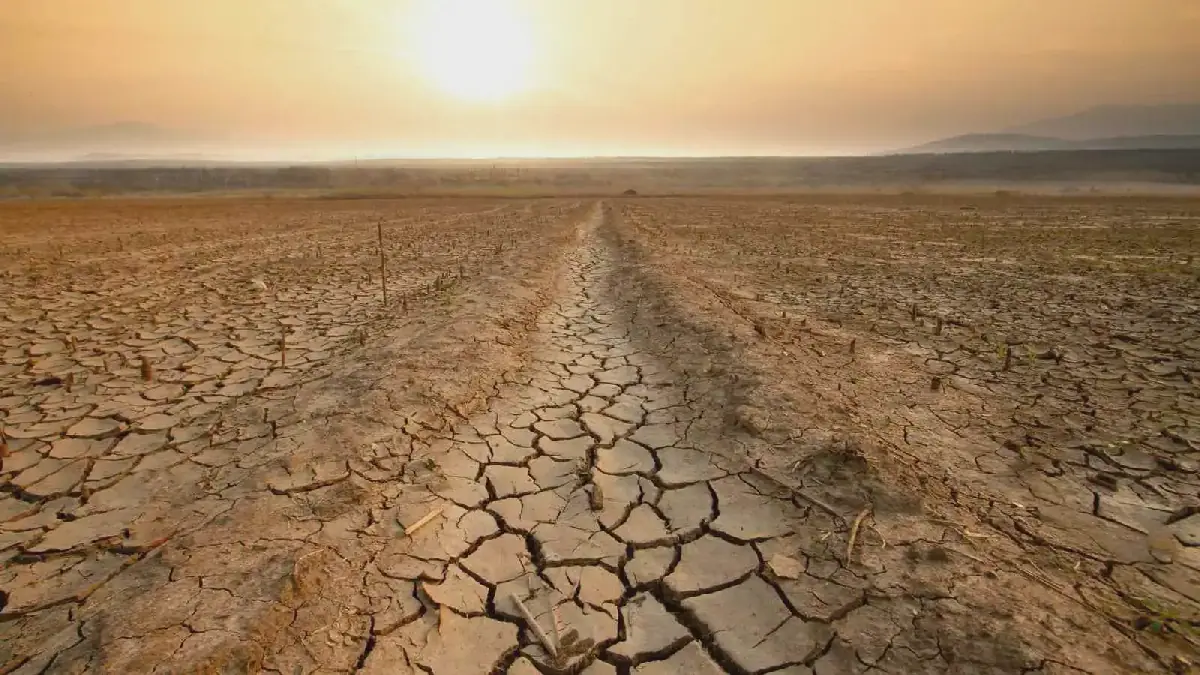
The effects of this super El Niño event are already being felt in various regions. In Indonesia, it has contributed to massive forest fires and crop failures, while in the United States, rising sea levels have caused coastal flooding. The phenomenon has also worsened drought in Sudan and triggered severe floods in countries such as Ecuador and Somalia. These developments have highlighted the pressing need for climate adaptation financing, particularly for countries facing concurrent crises without sufficient resources to cope.
Despite an agreement by wealthy countries to double adaptation finance for poor and vulnerable nations last year, a significant funding gap remains. According to the report, only a fraction of the $305 billion annual financing required by 2035 is currently available. Furthermore, several wealthy countries have yet to fulfill their climate finance commitments, exacerbating concerns about their ability to support vulnerable nations in addressing extreme weather events.
Forecasts indicate that the impact of El Niño will intensify as the phenomenon reaches its peak in December and continues into the following year, which is expected to be the hottest on record. This will likely lead to heatwaves, crop failures, and droughts on land, as well as heavy rainfall and flooding in some areas, and severe droughts in others. Additionally, coral reefs are at risk of bleaching due to ocean heat stress.
Climate experts have warned that the effects of this super El Niño event will not be straightforward, as it will make global warming appear to accelerate. Bill Hare, a climate scientist and CEO of Climate Analytics, cautioned that the consequences will be severe, with increased humanitarian disasters related to food, water, and security. He emphasized that the scale of the threats is not yet fully acknowledged.
The United Nations is particularly concerned about the situation in East Africa, where drought is expected to trigger a massive displacement of people. The UN High Commissioner for Refugees has warned that up to three million people in Kenya, Somalia, South Sudan, and Uganda may be forced to flee their homes due to El Niño-related disasters. The region is already experiencing severe drought, with Kenya's maize production declining by 40%, affecting food availability for refugees and straining the country's capacity to host more displaced persons.
In response to these developments, climate activists have urged countries to move beyond diplomatic commitments and take immediate action to provide necessary financing. Muhammad Adow, founder of the Kenyan research center Power Shift Africa, emphasized that affected communities cannot afford to wait for new promises, and that actual resources must be mobilized to support vulnerable populations and regions.
Key points
- The super El Niño phenomenon is expected to bring severe climate disruptions, including heatwaves, droughts, and floods, to vulnerable countries worldwide.
- A significant funding gap remains in climate adaptation financing, despite agreements by wealthy countries to support vulnerable nations.
- The effects of El Niño will intensify as the phenomenon reaches its peak in December and continues into the following year, which is expected to be the hottest on record.