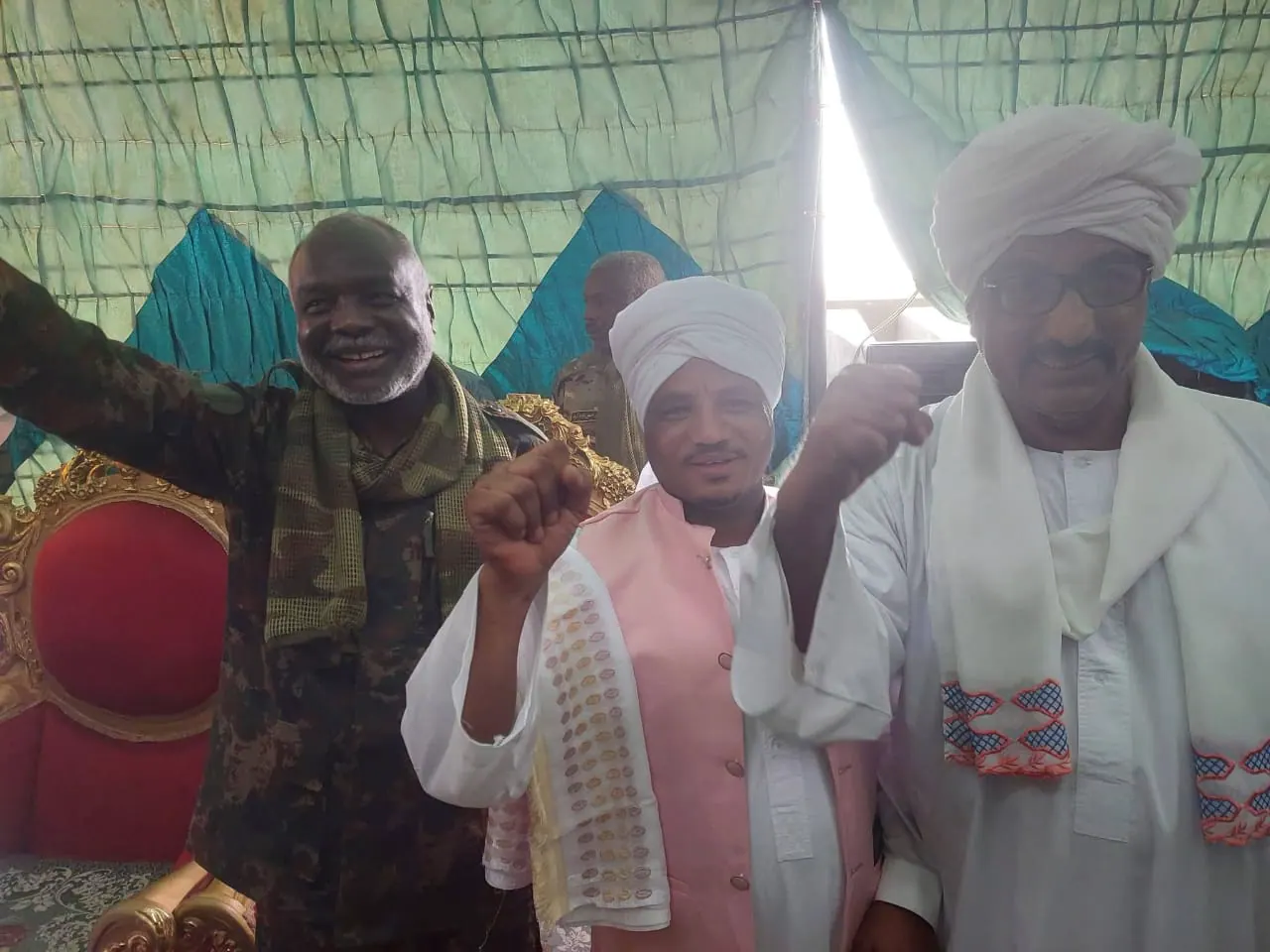
In a recent address, Amir Awoud Al-Jaid Al-Naima of the Kawahla tribe praised Sudan's Finance Minister and leader of the Justice and Equality Movement, Jibril Ibrahim, for his significant contributions to the country. Al-Naima lauded Ibrahim's role in what he described as the "Battle of Dignity," highlighting his efforts in navigating the country through its current challenges. The praise was extended during a reception ceremony for the Finance Minister by the Kawahla tribe.
Al-Naima emphasized that Ibrahim's actions during this critical period have been unparalleled, showcasing his leadership skills, experience, and strategic vision. According to the tribal leader, Sudan faced a severe crisis encompassing military, economic, and political collapse before Ibrahim's intervention. Al-Naima's remarks underscore the high esteem with which Ibrahim is regarded by certain sectors of Sudanese society.
During his address, Al-Naima also made a significant statement regarding the tribal composition of Sudan, suggesting that the Zaghawa tribe is a branch of the Kawahla tribe. This statement was made in the context of his praise for Ibrahim and the leadership of the Justice and Equality Movement. The comments have sparked interest and discussion within Sudanese social and political circles.
The reception for Ibrahim by the Kawahla tribe was marked by strong expressions of support and admiration for his leadership. The Finance Minister's efforts to address the multifaceted challenges facing Sudan have been a subject of national discourse. Al-Naima's endorsement of Ibrahim's capabilities and vision reflects a broader tribal and political backing for the minister's initiatives.
Ibrahim's role in Sudanese politics and his influence on the country's trajectory have been significant. As the leader of the Justice and Equality Movement, he has been involved in key political and peace processes. His position as Finance Minister has also placed him at the forefront of efforts to stabilize Sudan's economy and address the humanitarian needs of its population.
The dynamics between different tribal groups and their leaders play a crucial role in Sudanese politics. Al-Naima's comments on the Zaghawa tribe's relationship with the Kawahla tribe may have implications for inter-tribal relations and the broader political landscape. The Kawahla tribe's support for Ibrahim could influence political alignments and strategies within Sudan.
The praise for Ibrahim from Al-Naima and the Kawahla tribe highlights the complex interplay of tribal loyalty, political leadership, and national crisis management in Sudan. As the country navigates its challenges, the roles of leaders like Ibrahim and the support they receive from various tribal groups will likely continue to shape Sudan's political and social future.
Key points
- Sudanese tribal leader Awoud Al-Jaid Al-Naima praises Finance Minister Jibril Ibrahim for his leadership during the country's crisis.