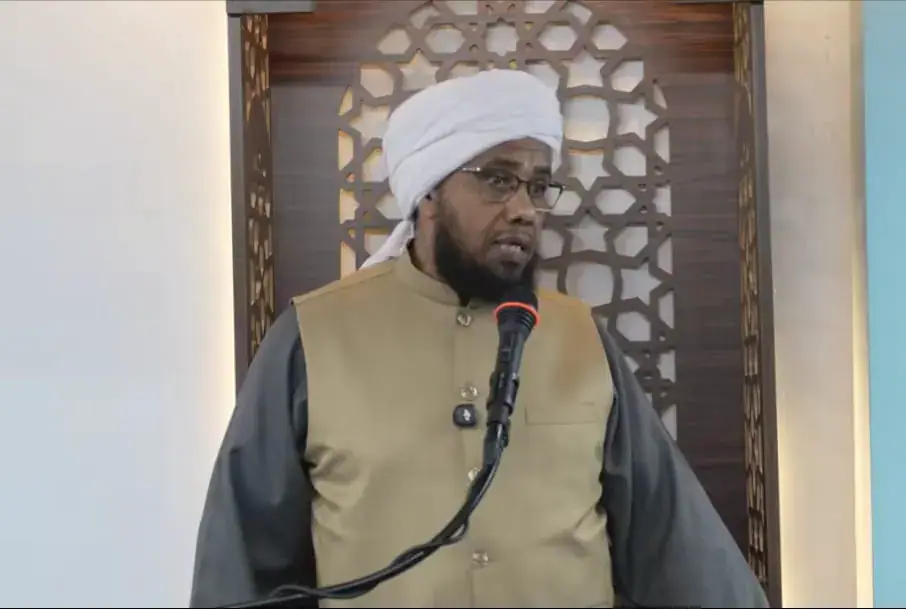
Sudanese scholar Abd al-Hay Yusuf recently discussed the implications of the US elections, focusing on the success of Muslim candidates. He noted that the experience of free and fair elections in the US offers valuable lessons for Muslim countries. Yusuf emphasized that the ability of citizens, including Muslims and immigrants, to compete and reach decision-making positions is crucial. He cited the example of a Muslim candidate winning a seat in the US Senate and others in the House of Representatives.
Yusuf drew a stark contrast between the US electoral experience and the prevalent authoritarianism in many Muslim countries. He argued that the main problem facing Islamic societies is the lack of genuine competition and the concentration of power in the hands of a few rulers. Yusuf stated that these leaders often disregard the will of the people and make decisions without their input. He referenced a phrase attributed to Pharaoh, highlighting the mindset of an autocratic leader who believes they alone possess the truth.
The scholar cautioned against overemphasizing the significance of individual election victories in the US, pointing out that the Western democratic system is not without its flaws. Yusuf noted that the influence of money in politics can undermine the will of voters and sway election outcomes. He stressed that Muslims should focus on combating authoritarianism in their own countries and promoting the values of freedom, justice, and equal participation in governance.
Yusuf highlighted the paradox of Western countries' treatment of immigrants, noting that they are often able to integrate and participate in the political process. He cited the US as an example, where immigrants can become naturalized citizens and run for public office after meeting certain requirements. Yusuf pointed out that the laws in the US do not discriminate based on ethnicity or origin, and that candidates are judged on their qualifications and age.
The scholar also touched on the issue of prejudice and stereotyping in the US elections. He mentioned that a Muslim candidate's name and background were mocked by the US President, but this backlash ultimately seemed to boost the candidate's popularity. Yusuf suggested that such incidents can galvanize support for marginalized candidates and underscore the importance of inclusive and respectful political discourse.
Yusuf concluded by lamenting the entrenched culture of authoritarianism in many Muslim countries. He expressed concern that some individuals attempt to legitimize and justify this phenomenon using religious arguments, rather than promoting the values of freedom, justice, and equal participation. The scholar emphasized the need for Muslims to challenge authoritarianism and strive for more inclusive and representative systems of governance.
Ultimately, Yusuf's comments reflect a broader critique of authoritarianism in Muslim countries and the need for greater democratization and inclusivity. His analysis highlights the importance of learning from international experiences, such as the US elections, and applying these lessons to promote positive change in Muslim countries.
Key points
- Yusuf criticizes authoritarianism in Muslim countries, advocating for greater democratization and inclusivity.