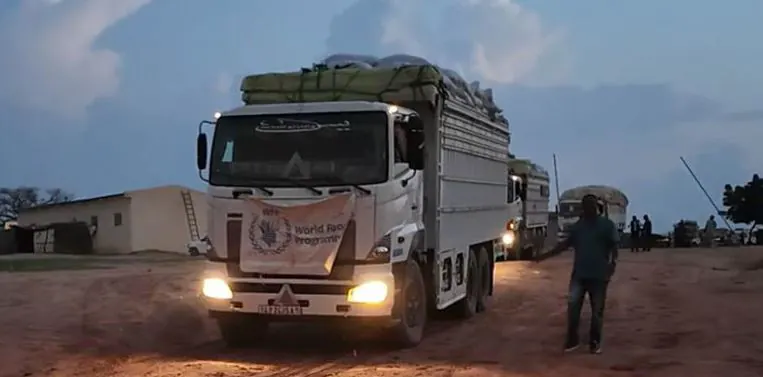
The General Coordination of Displaced Persons and Refugee Camps in Sudan has expressed concern over the World Food Programme's decision to cut aid due to funding constraints. This move is expected to worsen the risk of hunger and leave vulnerable communities more exposed to food insecurity. According to Adam Rijal, the official spokesperson for the organization, the reduction in humanitarian assistance poses a significant threat to the lives of hundreds of thousands of people who rely on aid for their basic food needs.
The WFP's decision comes at a time when Sudan is facing mounting pressure on food security due to conflict, displacement, drought, and climate-related disruptions that have affected agricultural production. These factors have created a challenging environment for the country's food systems, and the reduction in aid is likely to have severe consequences. Rijal emphasized that the cuts to assistance are not just a simple reduction in food rations but could have far-reaching impacts on the lives of displaced families.
The reduction in assistance could force displaced families to adopt harmful coping strategies, including withdrawing children from school, selling their remaining possessions, or reducing the number and size of daily meals. This could have long-term consequences for the well-being and development of these families, particularly the most vulnerable groups such as women, children, older people, and persons with disabilities. Rijal stressed that these groups bear the heaviest burden in such situations.
Rijal cautioned against attributing the current food insecurity situation solely to the El Niño phenomenon without establishing the relevant timeframe for its possible occurrence and consulting experts in the field. He emphasized that the situation requires a more nuanced understanding of the complex factors at play. The General Coordination of Displaced Persons and Refugee Camps in Sudan is calling for urgent action to address the funding gap and ensure the continuity of food assistance.
The organization is urging donor countries and international organizations to provide immediate support to close the funding gap and ensure that food assistance continues to reach those in need. Additionally, Rijal called for an expansion of the humanitarian response and stronger nutrition and food security programmes, prioritizing the areas worst affected by the crisis. This would help to mitigate the impacts of the aid cuts and provide more support to vulnerable communities.
Rijal also emphasized the need for efforts to end the war, beginning with a humanitarian truce that would ensure the uninterrupted flow of aid and food to affected communities. This would help to address the root causes of the crisis and create a more enabling environment for humanitarian assistance. The General Coordination of Displaced Persons and Refugee Camps in Sudan is working to raise awareness about the situation and advocate for more support for affected communities.
The situation in Sudan remains critical, with the risk of hunger and food insecurity expected to worsen in the coming months. The General Coordination of Displaced Persons and Refugee Camps in Sudan is working closely with other organizations to respond to the crisis, but more support is needed to address the scale of the challenge. The international community is urged to provide urgent assistance to help mitigate the impacts of the aid cuts and support vulnerable communities.
Key points
- The General Coordination of Displaced Persons and Refugee Camps in Sudan warns that funding-driven cuts to World Food Programme assistance will exacerbate hunger and food insecurity.
- The reduction in assistance could force displaced families to adopt harmful coping strategies, including withdrawing children from school or reducing meals.
- The organization is calling for urgent action to address the funding gap and ensure the continuity of food assistance to those in need.