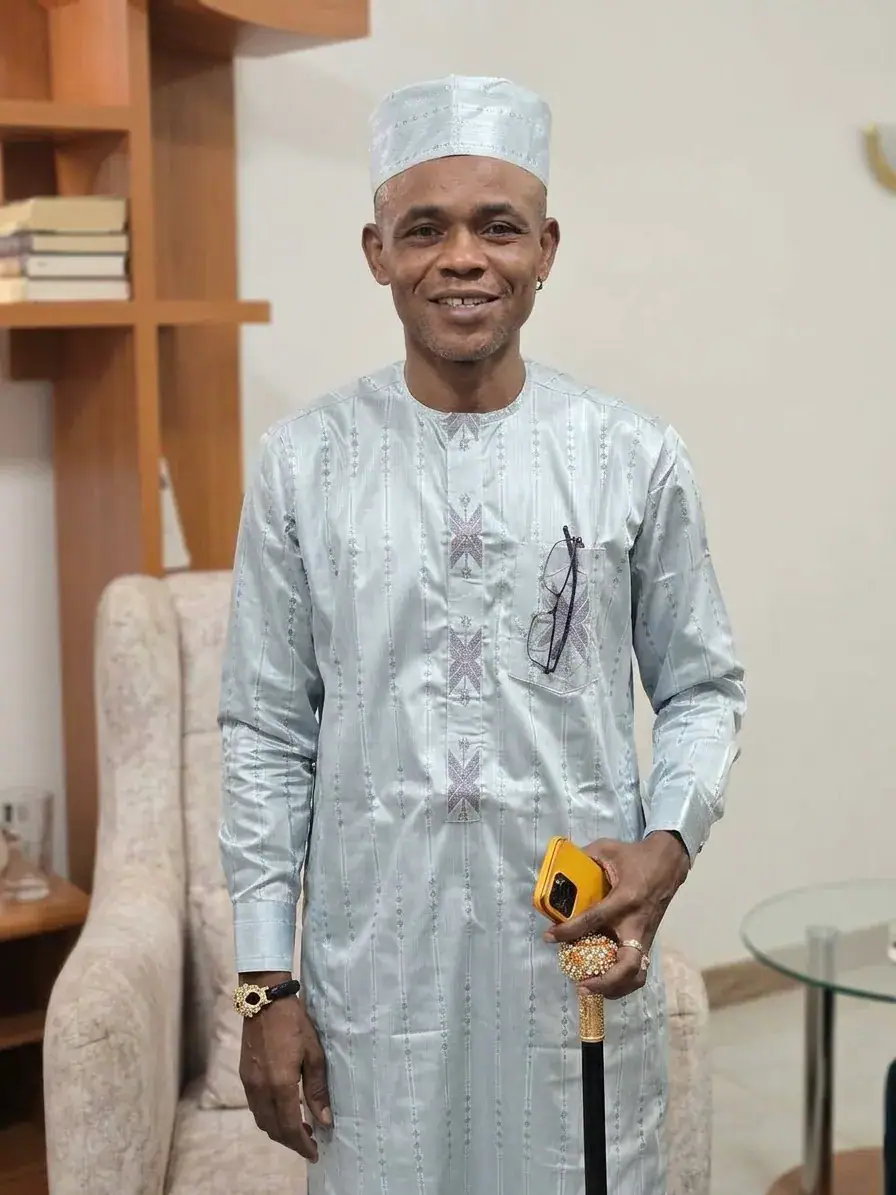
Sudanese militia leader Ibrahim Bqal has called on the Sudanese army to stop accepting defectors from the Rapid Support Forces (RSF), claiming some have not contributed militarily despite their public claims. In an appeal published online, Bqal addressed General Abdel Fattah al-Burhan, head of the Sovereign Council and commander-in-chief of the armed forces. Bqal requested that the army close its doors to defectors who have arrived in areas under army control in recent times.
Bqal criticized some defectors for exaggerating the number of fighters and vehicles they brought with them, naming several senior leaders who defected from the RSF. He accused them of not engaging in combat or providing significant military strength on the ground. Bqal challenged those who claimed to have arrived with dozens or hundreds of vehicles to hand them over for use in fighting.
The former RSF media leader proposed establishing recruitment camps, requesting 50 equipped vehicles and three months to prepare for battle in El Fasher, Darfur. He addressed his proposal to General al-Burhan, Chief of Staff General Yasser al-Atta, Intelligence Commander, and Darfur Governor Mini Arko Minawi. Bqal vowed to report for duty within the specified timeframe.
Bqal emphasized that he joined the army without any forces or vehicles at his disposal, denying making any claims to the contrary. He requested permission to recruit new forces instead of accepting defectors who do not participate in combat. Bqal's statements come amid controversy surrounding the integration of defecting RSF elements and leaders into the Sudanese army.
The issue has sparked debate about the mechanisms for accepting defectors and the military benefits of integrating their forces into the army. Bqal's appeal reflects concerns about the loyalty and combat effectiveness of some defecting fighters. His proposal to establish recruitment camps and prepare for battle in Darfur highlights the ongoing conflict in the region.
The conflict in Darfur has persisted for years, with various armed groups and militias involved. Bqal's demand for 50 vehicles and three months to prepare for battle underscores the complexity of the situation. The Sudanese army and government have not publicly responded to Bqal's appeal, but his statements reflect the ongoing tensions within the country's military landscape.
The situation in Darfur remains volatile, with multiple factions vying for control. Bqal's ultimatum and proposal highlight the challenges faced by the Sudanese army in integrating defecting forces and addressing regional security concerns. The outcome of Bqal's appeal and proposal remains uncertain, but his statements have shed light on the complexities of the conflict in Darfur.
Key points
- Bqal requests 50 equipped vehicles and three months to prepare for battle in El Fasher, Darfur.
- He demands that the army stop accepting defectors from the Rapid Support Forces.
- Bqal's statements reflect ongoing tensions within Sudan's military landscape and the complexities of the conflict in Darfur.