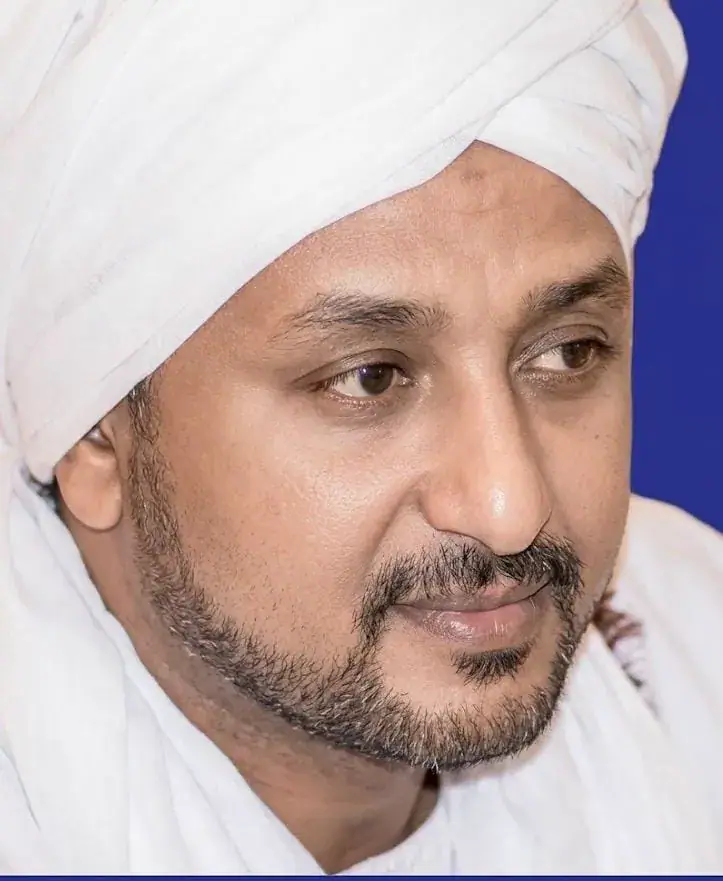
A Sudanese journalist, Jalaluddin Mohamed Ibrahim, has proposed an anti-corruption system that incentivizes citizens to report corrupt activities. The system suggests that individuals who report corruption and provide evidence receive 20% of the recovered funds. This approach aims to encourage citizens to take an active role in combating corruption. Ibrahim argues that corruption is not an inevitable fate, but rather a result of imbalanced interests. He believes that by making reporting corruption profitable, citizens will be more likely to come forward.
Ibrahim's proposal draws inspiration from international examples. In Senegal, for instance, a 2025 law offers whistleblowers 10% of recovered funds when their reports lead to convictions. Similarly, in the United States, the "Dodd-Frank" law provides the Securities and Exchange Commission with the authority to award whistleblowers between 10% and 30% of collected penalties exceeding $1 million. Ibrahim cites other countries, such as Iraq and South Korea, which have implemented similar systems.
The proposed system emphasizes the importance of evidence-based reporting. To qualify for the incentive, citizens must provide supporting documents, witness statements, or financial evidence that can be verified. This approach aims to prevent false accusations and ensure that only legitimate cases are pursued. Ibrahim stresses that the system should apply to all individuals, including those in high-ranking positions, and that no one should be above accountability.
One of the significant challenges in implementing this system is the existing laws that grant immunity to certain individuals. Ibrahim argues that these laws should be revised to prevent them from being used as a shield for corrupt activities. He suggests that citizens should be able to file complaints against any individual or entity suspected of corruption, provided they have supporting evidence.
The proposed system also aims to encourage transparency and accountability within the security forces. Ibrahim suggests that individuals within the security forces who contribute to the recovery of stolen funds should receive 10% of the recovered amount. This approach aims to foster a culture of collaboration and accountability within the security apparatus.
Ibrahim claims that his proposal is not a theoretical concept, but rather a practical solution that has been tested in other countries. He cites examples of countries that have successfully implemented similar systems, resulting in significant recoveries of stolen funds. Ibrahim expresses confidence that his proposal can be effective in Sudan, provided that it is implemented with the necessary political will.
The journalist concludes by emphasizing the need for collective action to combat corruption. He invites citizens to join him in advocating for the implementation of his proposal, which he believes can significantly reduce corruption in Sudan. Ibrahim remains optimistic that with the right approach and political commitment, Sudan can make significant progress in addressing corruption.
Key points
- The proposed system offers citizens 20% of recovered funds for reporting corruption.
- The system draws inspiration from international examples, including Senegal, the United States, Iraq, and South Korea.
- The proposal emphasizes the importance of evidence-based reporting to prevent false accusations.