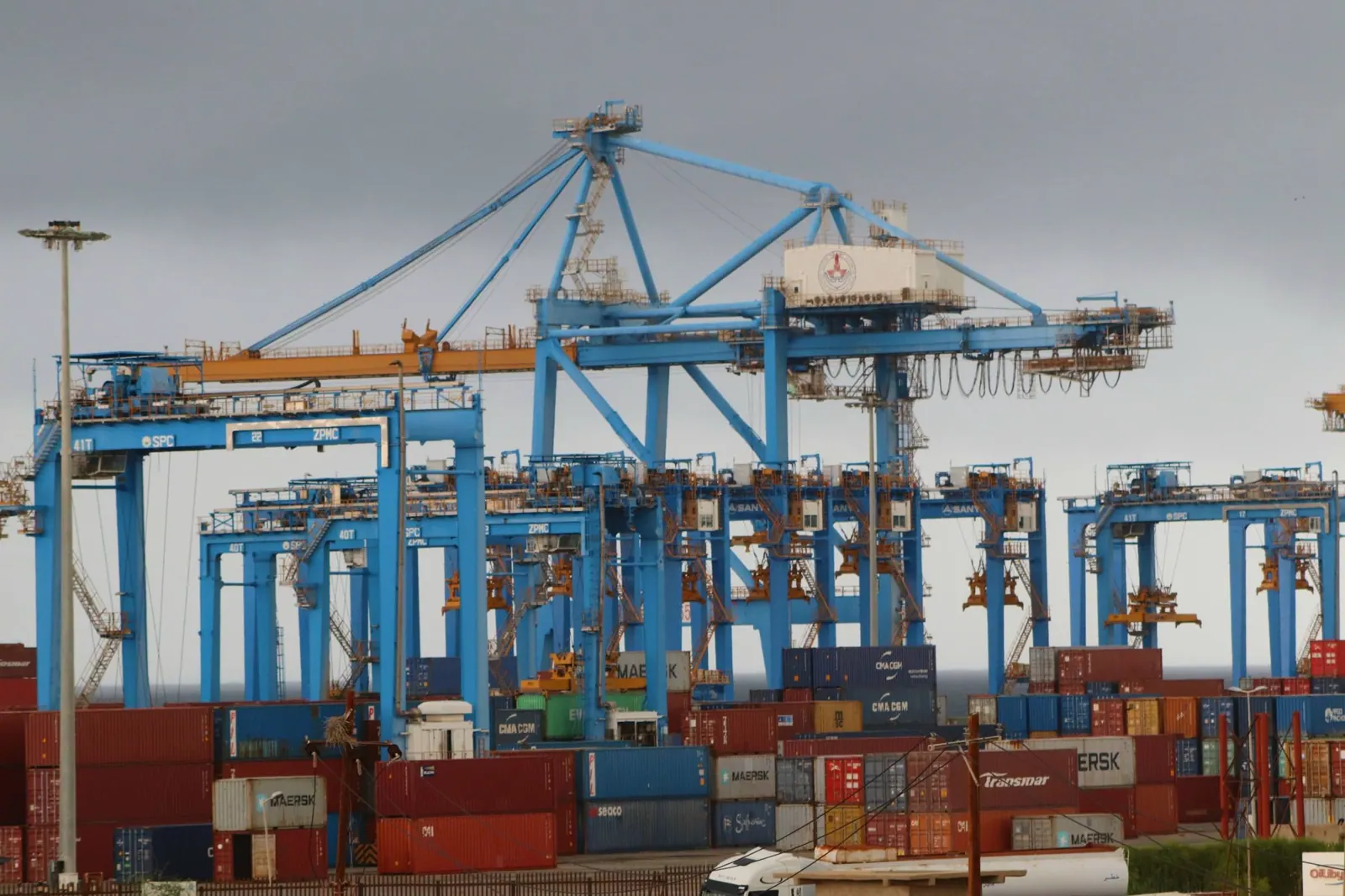
A recent decision by Sudanese customs authorities to implement the Advanced Cargo Declaration (ACD) system for all imports has sparked widespread criticism from importers and experts. The system, which began in the Port Sudan southern port in the Red Sea state, requires importers to submit shipment data before arrival, aiming to speed up customs clearance and reduce waiting times and storage costs. However, critics argue that it will increase costs for importers and, ultimately, consumers.
The ACD system involves a foreign company based in the United Arab Emirates collecting fees in foreign currency, which critics say will further strain the economy. Importers and experts argue that this will lead to higher prices for essential goods, exacerbating the economic hardship faced by many Sudanese due to the ongoing conflict. They also express concern that the system will compromise national security by allowing a foreign company to access sensitive information about imports.
Member of the Importers Chamber and businessman, Maawiya Abazid, described the decision as "unfortunate" and argued that it will worsen the economic situation. He emphasized that the country is already facing significant challenges in providing essential goods and that the new system will only add to the burden on importers and consumers. Abazid called for the government to reconsider the decision and focus on facilitating trade and reducing costs.
Abazid also criticized the slow pace of customs clearance, which he said is a major obstacle to trade. He pointed out that customs operations in Sudan are currently limited to 25 hours a week, leading to delays and increased costs for importers. Experts argue that this is a more significant issue than the ACD system and that the government should focus on addressing these underlying problems.
Customs expert and former member of the Importers Chamber, Dafallah Abdallah Yusuf, strongly criticized the ACD system, describing it as an attempt to impose additional costs on importers and consumers. He argued that a similar system, known as "Ascuda," has been in place in Sudan for some time and that the new system is unnecessary. Yusuf also expressed concern about the security implications of allowing a foreign company to access sensitive information about imports.
Yusuf pointed out that the fees charged by the foreign company are high and will be passed on to consumers, further increasing the cost of living. He also questioned the need to involve a foreign company in the customs clearance process, arguing that Sudanese customs authorities have the capacity to handle it themselves. Yusuf emphasized that the decision will harm the economy and that the government should reconsider it.
The criticism of the ACD system highlights the challenges facing Sudan's economy, which is struggling with high inflation, a decline in trade, and a shortage of essential goods. The implementation of the new customs clearance system has sparked concerns about its impact on the economy and the livelihoods of Sudanese citizens. The government faces pressure to reconsider the decision and find alternative solutions to facilitate trade and reduce costs.
Key points
- The new ACD system has sparked criticism from importers and experts who argue that it will increase costs and compromise national security.