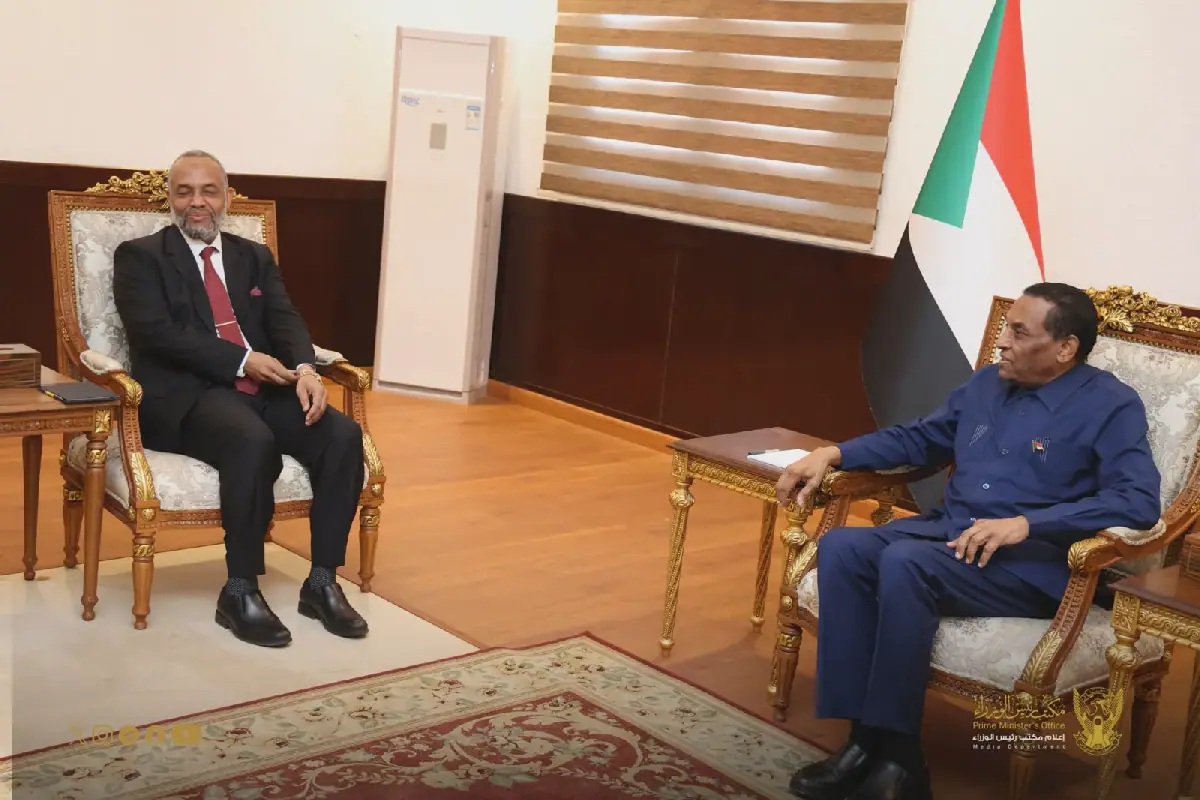
The Sudanese government has taken a significant step towards controlling malaria in the country by establishing a high-level national council to combat the disease. Led by Prime Minister Prof. Kaml Idrees, the council brings together various ministries, institutions, and stakeholders from both federal and state levels. This move aims to enhance coordination and unify efforts to tackle the spread of malaria.
During a meeting with Federal Health Minister Dr. Haitham Mohamed Ibrahim, Prime Minister Idrees reviewed the implementation of his initiative to declare Sudan a malaria-free zone. The strategy involves not only controlling and eliminating the disease but also addressing the vectors that spread it and limiting its transmission. This initiative was presented at the African Leaders' Summit, where it garnered substantial support and endorsement.
Dr. Haitham Mohamed Ibrahim revealed that the meeting discussed the outcomes of his participation in the African Leaders' Summit, where the Prime Minister's initiative was showcased. The minister emphasized that the initiative received significant backing and support from various stakeholders. The council's formation was confirmed, with the Prime Minister at its helm, comprising representatives from federal and state levels.
The national council's primary objective is to strengthen the fight against malaria through a coordinated approach. By involving multiple stakeholders, the government aims to address the challenges posed by the disease more effectively. This comprehensive strategy is expected to make a significant impact on malaria control and elimination in Sudan.
Malaria remains a significant public health challenge in Sudan, with the disease affecting a substantial portion of the population each year. The government's proactive approach to tackling this issue demonstrates its commitment to improving the health and well-being of its citizens. The involvement of various stakeholders is crucial in this endeavor.
The Prime Minister's initiative to declare Sudan a malaria-free zone is a commendable effort to address this pressing health issue. With the formation of the national council, the government has taken a concrete step towards achieving this goal. The council's success will depend on the effective coordination and collaboration of its members.
The fight against malaria in Sudan requires sustained efforts and commitment from all stakeholders. The government's high-level initiative and the formation of the national council are promising developments in this regard. As the council begins its work, it is essential to monitor its progress and impact on malaria control in Sudan.
Key points
- The Sudanese government has formed a national council, led by Prime Minister Prof. Kaml Idrees, to combat malaria in the country.