Sudanese feminists and women's rights activists warn that drone attacks in the country's ongoing war are exacerbating the humanitarian and health crisis facing women and children. The use of drones in populated areas has become a significant threat to civilian lives, with attacks on civilian infrastructure and essential services depriving people of their rights to life, security, food, and medical care. According to lawyer and director of the El Gezira Centre for Human Rights, Noon Koshkosh, drone attacks have left no areas safe, with strikes hitting locations across northern, eastern, southern, and western Sudan.
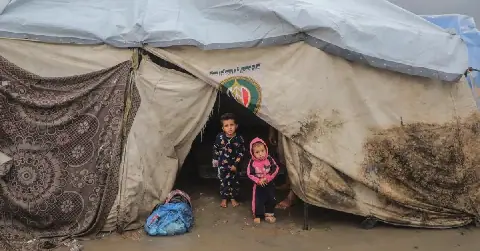
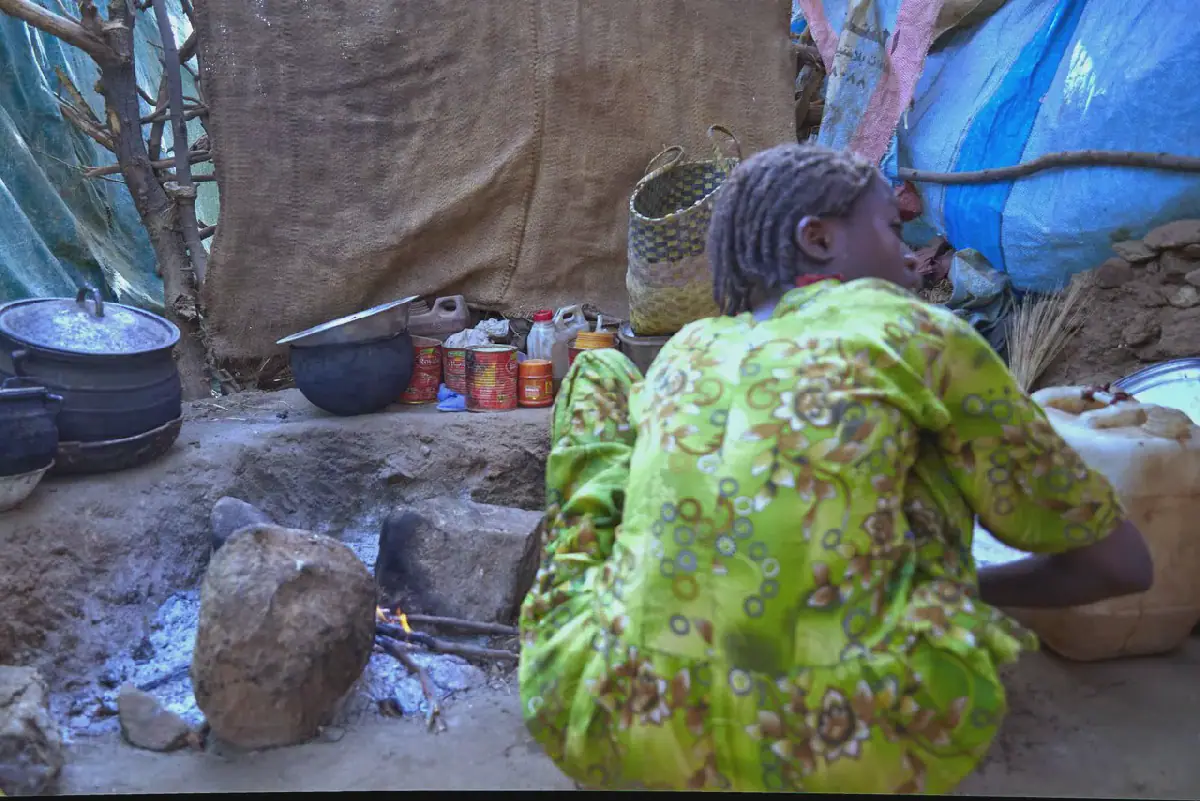
The use of drones in Sudan's war has resulted in the deaths of at least 360 civilians in less than three weeks, according to information cited by Koshkosh. The attacks have also targeted hospitals, schools, shelters for displaced people, and vital infrastructure, including power stations and fuel facilities. This has worsened the humanitarian crisis and undermined civilians' ability to access essential services. Women and children are among those most severely affected by drone attacks due to their additional health and humanitarian needs, amid deteriorating living conditions and difficulties accessing food and medicine.
Lawyer and human rights activist Nafisa Hajar describes the use of drones in populated areas as a dangerous escalation and an explicit violation of human rights. She says the attacks target civilians in their homes, hospitals, and displacement centers, with women and children bearing the greatest share of the humanitarian losses. Hajar warns that targeting women leads to the breakdown and displacement of families, while violence and armed attacks expose children to death, injury, and psychological trauma that may have long-term effects on their future.
Hajar cites the 1949 Geneva Conventions and their additional protocols, which require civilians and civilian objects to be protected during armed conflicts. She says the use of drones in densely populated areas without observing the principles of distinction and necessary precautions constitutes a serious violation of international humanitarian law and may entail individual criminal responsibility for those responsible. Hajar calls for independent international investigations to document crimes, identify those responsible, and hold them accountable.
Qamaria Omar, a member of the Sudanese Teachers' Committee, says demands should not be limited to condemning the use of drones, but rather prioritize a comprehensive end to the war. She stresses the need to stop attacks on civilians, civilian objects, and infrastructure, including markets and sources of food, water, and electricity. Omar tells Radio Dabanga that Sudanese citizens have consistently borne the greatest burden of the war, regardless of whether drones or other weapons are used.
Lawyer and human rights activist Suhair Saeed calls for an immediate halt to the use of drones and indiscriminate shelling. She says military operations must be kept away from civilian homes, markets, displacement shelters, hospitals, schools, and water and electricity facilities. Saeed explains that these facilities are civilian objects belonging to neither side of the conflict, and destroying them affects far more than the facility itself, depriving thousands of civilians of essential, life-saving services.
The activists' calls for action include an immediate end to the war, the use of indiscriminate weapons, and the opening of safe corridors for humanitarian aid. They also demand independent international investigations to hold those responsible for violations to account. Niemat Koko, a researcher on development and alternative policies, stresses the priority of a comprehensive ceasefire as a means of protecting the lives of Sudanese women and men.
Key points
- Drone attacks have resulted in the deaths of at least 360 civilians in less than three weeks in Sudan.
- The use of drones in populated areas has worsened the humanitarian crisis, targeting civilians, infrastructure, and essential services.
- Activists call for an immediate end to the war, the use of indiscriminate weapons, and the opening of safe corridors for humanitarian aid.