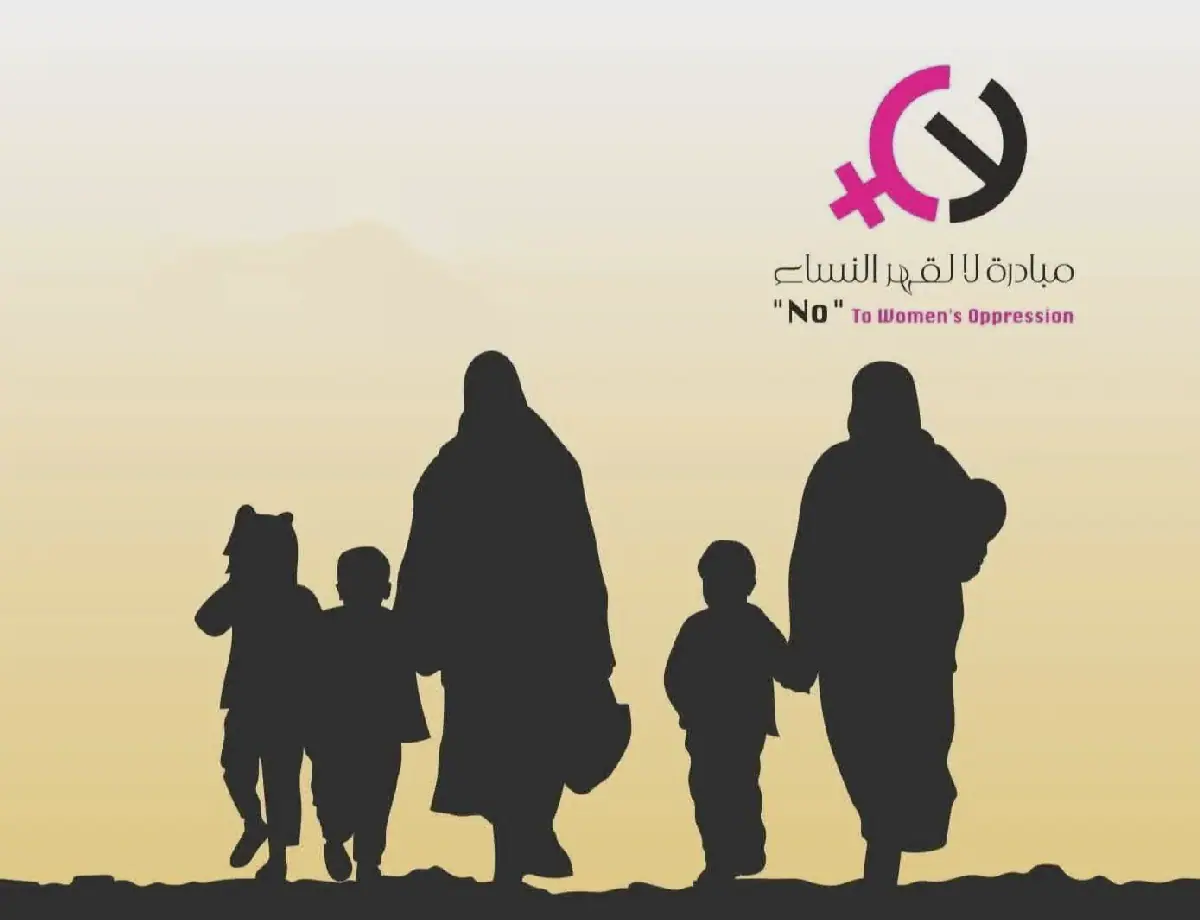
The No to Oppression against Women Initiative, a Sudanese women's rights group, has strongly condemned the ongoing war in Sudan and the increasing use of drones in civilian-populated areas. Head of the initiative, Amira Osman, stated that these actions constitute "acts of genocide" against the Sudanese people. The group cites the targeting of essential services like hospitals, schools, and water facilities as evidence of human rights violations.
Amira Osman warned that continued warfare without interruption could lead to a situation similar to Lebanon, where people live in insecurity and without peace. The initiative rejects this reality, emphasizing that laws governing warfare must be respected. Osman highlighted the intensified suffering of women amid the current political situation, economic collapse, and unprecedented price rises, which have increased the financial burden on women for healthcare and basic services.
The No to Oppression against Women Initiative is preparing a memorandum to be addressed to Sudan's army commander, General Abdelfattah El Burhan, Prime Minister Kamil Idris, and the health minister. The memorandum calls for women to be exempted from fees for antenatal care and childbirth at all government hospitals across Sudan. The initiative also advocates for free care for premature babies and children under five, stressing the importance of prioritizing women's needs in the reconstruction of Sudanese society.
Osman emphasized that rebuilding Sudan after the war requires recognition of the family's, women's, and children's foundational role in society. She urged the government to commit to this approach and prioritize the reconstruction of the Sudanese state and society over procuring weapons. The initiative is currently arranging the delivery of the memorandum, either within hours or the following day.
Accusations of genocide have been increasingly made amid the ongoing violence in Sudan. Satellite imagery analyzed by Yale University's Humanitarian Research Lab shows a near-total absence of civilian life in North Darfur's capital, El Fasher. The report documents widespread damage to markets and hospitals, restrictions on civilian movement, and evidence consistent with the destruction or concealment of human remains.
Sudan's women journalists have also condemned the escalating use of drones by both sides in the conflict, warning of the consequences for civilian lives, infrastructure, and essential services. Journalists Madiha Abdullah and Samar Suleiman Abbas stated that the use of drones represents a dangerous development in the war, violating international humanitarian law and human rights. They called on both sides to stop attacks on populated areas and comply with international law.
The situation in Sudan continues to deteriorate, with the ongoing conflict and humanitarian crisis exacerbating the suffering of civilians, particularly women and children. The No to Oppression against Women Initiative's efforts to bring attention to the plight of Sudanese women and advocate for their rights and protection are ongoing. The international community remains concerned about the situation, with many calling for an end to the violence and a negotiated settlement to the conflict.
Key points
- The No to Oppression against Women Initiative condemns Sudan's drone strikes as 'acts of genocide' against the Sudanese people.
- The initiative calls for women to be exempted from fees for antenatal care and childbirth at government hospitals.
- Sudan's women journalists warn of the consequences of drone attacks on civilian lives and infrastructure.
Reporting sources
- Women’s rights group: Sudan drone strikes ‘acts of genocide’ · Radio Dabanga