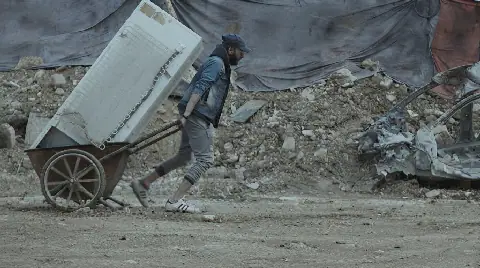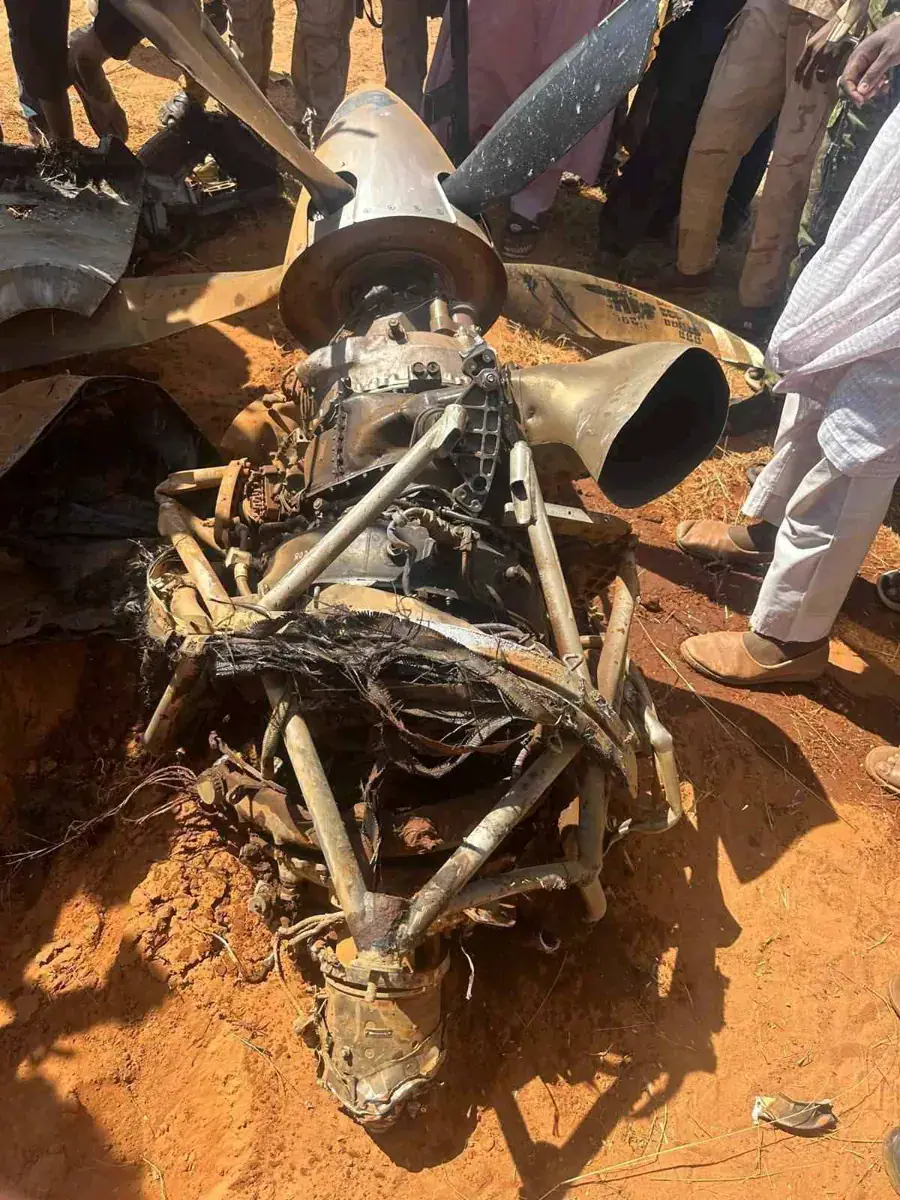
The Sudanese Armed Forces have recently bombarded vehicles and buildings in El Nahud, West Kordofan, including structures in residential areas. The Humanitarian Research Lab at Yale School of Public Health confirmed this, along with a significant civilian presence in the city. The lab published its findings in Situation Report No.83, with high-detail satellite images to substantiate its claims. However, due to security concerns for civilians, the lab withheld specific location identifications and damage images.
The Humanitarian Research Lab has a track record of unimpeachable accuracy and routinely publishes detailed satellite images to support its findings. In its report, the lab warned that as the Sudanese Armed Forces approach El Nahud, they must take precautions under international humanitarian law to protect civilians and civilian infrastructure. The lab also called on all parties to the conflict to allow humanitarian access and ensure that civilians can leave areas where active fighting is taking place safely.
Radio Dabanga received reports that En Nahud had been liberated, and videos circulated showing army forces entering the Khamas area in West Kordofan on Saturday. However, it later emerged that reports claiming the army had entered El Nahud were false. The situation on the ground remains volatile, with ongoing fighting and concerns for civilian safety. The Yale lab's findings highlight the need for caution and adherence to international humanitarian law.
The conflict in Sudan has resulted in significant human casualties. According to the UN Human Rights Office, at least 2,230 civilians were killed in Sudan between January and October 2026. More than 1,630 of these deaths were caused by drone strikes, which have increasingly targeted markets, hospitals, schools, and infrastructure essential to civilian survival. The UN Human Rights Office has expressed concern over the growing role of drones in the war.
The use of drones in the conflict has allowed attacks to reach beyond the front lines, striking civilian areas and infrastructure. This has contributed to the high civilian casualty rate and raised concerns about the conduct of the war. The international community has called for parties to the conflict to respect international humanitarian law and protect civilians.
The situation in El Nahud and West Kordofan remains critical, with ongoing fighting and concerns for civilian safety. The Yale lab's findings and the UN Human Rights Office's report highlight the need for caution and adherence to international humanitarian law. All parties to the conflict must take steps to protect civilians and allow humanitarian access.
The conflict in Sudan has resulted in significant human suffering, with thousands of civilians killed or displaced. The international community continues to monitor the situation and call for respect for international humanitarian law. The Yale lab's research and the UN Human Rights Office's report provide critical insights into the conduct of the war and its impact on civilians.
Key points
- The Sudanese Armed Forces bombarded El Nahud, West Kordofan, including residential areas, amid a significant civilian presence.
- The UN Human Rights Office reported at least 2,230 civilians killed in Sudan between January and October 2026, with over 1,630 deaths caused by drone strikes.
- The Humanitarian Research Lab at Yale School of Public Health called on parties to the conflict to respect international humanitarian law and protect civilians.